Tag: drain

  • CCTV Drain Survey When Buying a House – is it worth it?

    CCTV Drain Survey When Buying a House – is it worth it?

    Buying a house is one of the biggest investments you’ll make in your lifetime, and alongside the excitement comes the necessary due diligence. You’ll likely get a structural survey, check for damp, and do all the other standard house-buying checks. But, have you considered what’s lurking beneath the surface? That’s where a CCTV drain survey comes in.

    A CCTV drain survey provides a detailed inspection of your potential property’s drainage system, using state-of-the-art camera technology. A pre-purchase survey is an often-overlooked check, but it can uncover hidden issues that could cost you thousands down the line.

    If you’re wondering whether a home buyer’s drain survey is worth the cost, we’ll break it all down for you here.

    The pros and cons of a CCTV drainage survey

    The advantages

    Opting for a CCTV drain survey comes with several benefits, especially as you’re about to make such a significant financial commitment.

    • Complete drain health check: A CCTV drain survey provides a detailed inspection of the property’s drainage system, identifying any existing or potential issues.
    • Saves you money long-term: Addressing drainage concerns before they turn disastrous can prevent expensive future repairs.
    • Negotiation power: If the survey highlights severe drainage problems, you may be able to renegotiate the asking price or request the seller to fix them.
    • Peace of mind: Knowing the drainage system is in sound condition will save you from nasty surprises once you’re moved in.

    The disadvantages

    While beneficial, CCTV drain surveys are an extra expense. On average, costs range from £100-£400 depending on the property. However, if it prevents future repair bills running into the thousands, the survey more than pays for itself.

    What problems can a CCTV drain inspection identify?

    cctv drain inspection when buying house

    Despite being out of sight, problems in drainage systems can result in substantial inconvenience and high costs. Here are some key issues that a CCTV drain inspection can detect:

    1. Cracks and fractures in your drainage system

    Over time, drains can develop cracks or fractures due to pressure, age, or shifting ground. If left untreated, these can escalate into full collapses, leading to costly repair work.

    2. Root intrusions

    Mature trees near a property are a lovely aesthetic, but their roots can infiltrate underground pipes, causing blockages or worse, breaks.

    3. Blockages or debris build-up

    Your future dream home might be sitting on a drainage system clogged with grease, silt, or even construction debris. A CCTV survey will detect a blocked drain before it causes major issues.

    4. Misalignment and leaks

    Pipe joints can shift or become misaligned over time, causing leaks and water wastage. CCTV cameras can locate these faults with amazing precision.

    Is the cost worth the benefit?

    Imagine spending £300 on a CCTV drain survey only to find that everything is perfectly fine. It may seem like a wasted expense at first. But now imagine skipping the survey and, six months down the line, finding yourself with a collapsed drain that costs £3,000 to repair. Which situation would you rather be in?

    For properties with older drainage systems or ones surrounded by large trees, a CCTV drain survey provides invaluable insight. Even with newer homes, unexpected problems can arise, especially if the builder hasn’t adhered to best practices. Spending a small amount upfront can save you significant amounts of time, money, and stress further down the road.

    When should you consider a CCTV drain survey?

    cctv drain survey when buying house

    Not all properties require a CCTV drain survey as standard. However, it’s highly recommended in the following circumstances:

    • Older properties: Older homes are more likely to have corroded or worn-out drains that have never been checked.
    • Mature trees around the property: The roots of larger trees can wreak havoc on underground pipes over time.
    • Signs of existing issues: If the property has slow drainage, damp patches, unpleasant odours, or standing water outside, a drain survey is a must.


    FAQ

    What does a CCTV drain survey involve?

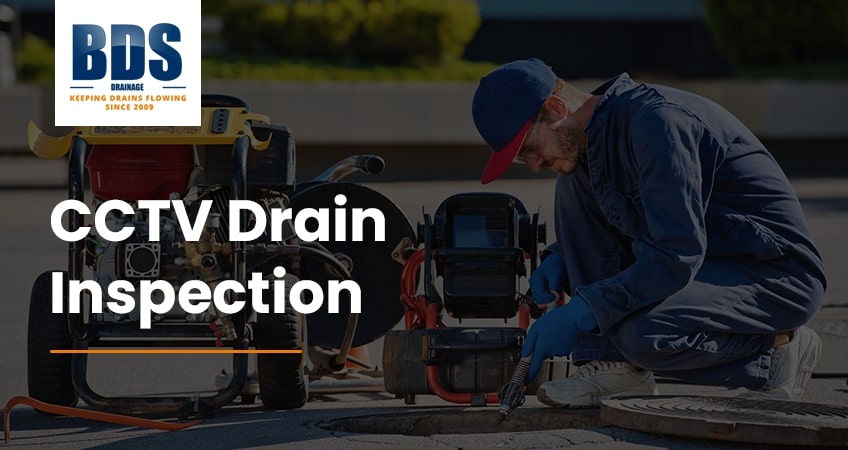
    A CCTV drain survey uses a small, high-tech camera that’s inserted into your drains. It provides real-time footage of your drainage system, allowing engineers to identify any faults or problem areas.

    How long does a CCTV drain survey take?

    On average, a thorough drain survey takes around 1-2 hours. However, this can vary depending on the size of the property and the complexity of the drainage system.

    How much does a CCTV drain survey cost?

    The typical cost ranges from £100 to £400 depending on the property’s location and system size. At BDS Drainage, we offer competitive pricing – get in touch for a personalised quote.

    Is a CCTV drain survey a legal requirement?

    No, it’s not legally required when purchasing a home. However, it’s highly recommended to identify any hidden drainage issues before committing to a property.

    Can a CCTV drain survey identify all drain issues?

    While a CCTV survey is exceptionally comprehensive, there may be rare cases where further investigation is needed (e.g., for structural issues outside the camera’s line of sight).

    Can a CCTV drain survey be used for drain mapping?

    Yes, a CCTV drain survey is an excellent tool for drain mapping. It provides a detailed and accurate representation of the drainage system, including identifying the layout, pipe connections, and any hidden sections. This information is particularly useful for planning renovations, repairs, or extensions, ensuring that no existing drainage pathways are disrupted.


    Protect your investment today

    Your dream home deserves to be free of hidden surprises. A CCTV drain survey might seem like a minor consideration, but it could save you thousands and plenty of headaches later. Whether you’re purchasing an older home, spotting troubling signs, or just want peace of mind, investing in a professional CCTV drain survey is the smart move.

    Contact BDS Drainage for a free tailored quote and see how our expert team can help ensure your next home is a solid investment. Don’t risk it – check it!

    Why choose BDS Drainage for your pre-purchase drain survey?

    At BDS Drainage, we’ve been helping homeowners and buyers protect their investments for years, offering expert CCTV drain surveys throughout London, Essex, Kent, and Surrey. Here’s why choosing us is a no-brainer:

    Expert advice and professionalism you can rely on

    Our professionals use state-of-the-art camera equipment to give you the clearest insight into the condition of your drains.

    Detailed report

    After completing your CCTV survey, we’ll present you with a detailed survey report that outlines all of our findings with a suggested course of action. We’ll even give you a free quote for any necessary remedial work which we are often able to complete immediately after giving your your detailed drainage report.

    24-hour availability

    Need drainage support urgently? We’re here whenever you need us.

    Written guarantee

    All our work comes with a solid guarantee, giving you complete peace of mind.

    Competitive local rates

    Fantastic service doesn’t have to cost the Earth.

    Start your house purchase with confidence. Request your free quote for a CCTV drain survey today and experience our unrivalled service.

     

  • How to Get Rid of Drain Flies

    How to Get Rid of Drain Flies

    Uninvited guests buzzing around your bathroom sink? Those tiny helicopter-like insects doing aerial acrobatics near your drains aren’t just annoying—they’re drain flies, and they’ve made themselves quite comfortable in your pipes.

    Don’t panic! While these pesky drain flies might seem determined to overstay their welcome, getting rid of drain flies is entirely achievable with the right approach. These small but mighty nuisances can multiply faster than you can say “pest control,” but armed with some household essentials and a bit of know-how, you’ll have them evicted in no time.

    Whether you’re dealing with a few stragglers or what feels like a full-scale invasion, this guide will walk you through everything you need to know about eliminating drain flies and preventing their return. From simple DIY solutions to knowing when it’s time to call in the professionals at BDS Drainage, we’ve got your back.

    What are drain flies?

    Drain flies, also known as moth flies, filter flies, sewer flies or sink flies, are those tiny grey or brown insects you’ve spotted hovering around your drains. Despite their name suggesting graceful flight, these creatures are more like tiny helicopters—they hop and flutter from surface to surface rather than soar.

    At just one-sixth of an inch long, drain flies might be small, but they pack a punch when it comes to reproduction. A single female can lay up to 200 eggs at once, with new recruits emerging from drain fly larvae every 48 hours. That explains why what started as “just one or two” quickly becomes a small squadron.

    These moisture-loving insects are drawn to the warm, humid environment inside your drains, where they feast on the organic matter that naturally accumulates in pipes. Hair, soap scum, food particles, and other debris create the perfect breeding ground for drain flies to set up shop and start their families.

    Identifying a drain fly infestation

    drain flies

    Spotting drain flies is usually straightforward—they’re the small, dark insects congregating around your bathroom or kitchen sinks. However, if you want to confirm the extent of your drain fly problem, try this simple overnight test as your first step in the pursuit of getting rid of drain flies once and for all.

    The tape test

    Before bed, place strips of clear tape (sticky side down) over the drains where you’ve noticed activity. Check the tape in the morning—any drain flies attempting to escape will be trapped on the adhesive surface. This method gives you a clear picture of which drains are affected and how serious the infestation is.

    Other telltale signs include:

    • Small, moth-like insects near sinks, showers, or floor drains
    • Flies that seem to “hop” rather than fly smoothly
    • Increased activity after periods of non-use (like returning from holiday)
    • A musty odour emanating from drains

    DIY methods to get rid of drain flies

    The good news? Most drain fly problems can be resolved within a week using simple household ingredients and consistent cleaning.

    Here are five proven methods to kill drain flies:

    Clean the sink and drain thoroughly

    Start with a thorough cleaning of your sink and drain using your regular cleaning solution. Use a pipe brush to scrub around and inside the drain opening, removing any visible buildup of hair, soap, and debris that might be providing food for the flies.

    Boiling water treatment

    One of the simplest solutions is also one of the most effective. Boil a medium-sized pot of water and carefully pour it down the affected drain. The hot water helps dissolve organic buildup and can eliminate eggs and larvae. This is not just a great way to eliminate drain flies quickly, but repeating this process once or twice weekly serves as a preventive measure.

    Baking soda, salt, and vinegar solution

    For a more thorough cleaning, combine half a cup of salt with half a cup of baking soda and one cup of white vinegar. Pour this mixture down the drain and leave it overnight to work its magic. The combination creates a foaming action that helps break down organic matter. In the morning, flush the drain with boiling water to wash away the loosened debris.

    Apple cider vinegar trap

    If adult drain flies are still buzzing about after cleaning the drains, create a simple trap using apple cider vinegar. Fill a small dish with the vinegar and cover it tightly with plastic wrap. Poke several small holes in the plastic—large enough for flies to enter but difficult for them to escape. The vinegar’s sweet scent attracts the flies, while the plastic wrap traps them inside.

    Eco-friendly drain cleaners

    For persistent infestations, consider using an eco-friendly commercial drain cleaner. These products are specifically designed to break down organic matter without harsh chemicals that might damage your pipes or harm the environment. Follow the manufacturer’s instructions carefully and always flush with plenty of water afterwards.

    When to call a professional

    Sometimes, despite your best DIY efforts, drain flies persist. This usually indicates a deeper issue within your drainage system that requires professional attention.

    Signs you need professional help

    Consider calling BDS Drainage if:

    • DIY methods haven’t resolved the problem after two weeks
    • Flies keep returning despite regular cleaning
    • Multiple drains throughout your home are affected
    • You notice unusual odours or slow drainage
    • The infestation seems to worsen rather than improve

    CCTV drain surveys for infestations

    When drain fly problems persist, the issue might lie deeper within your drainage system. BDS Drainage offers comprehensive CCTV drain surveys that can identify hidden problems contributing to infestations. Using state-of-the-art camera equipment, our experts can locate blockages, damage, or areas where organic matter is accumulating beyond your reach.

    These surveys provide a clear picture of your drain’s condition and help determine the most effective treatment approach, ensuring the problem is resolved permanently rather than temporarily masked.

    Preventing drain flies from returning

    Prevention is always better than cure, and keeping drain flies away requires consistent maintenance and attention to your drainage system.

    Regular drain maintenance

    Establish a weekly routine of flushing drains with boiling water to prevent organic buildup. Monthly deep cleaning with the baking soda and vinegar solution helps maintain clean pipes and eliminates potential breeding sites. Check our blog for more details on drainage maintenance.

    Address underlying drainage issues

    Poor drainage creates the perfect environment for drain flies to thrive. If you notice slow-draining sinks, gurgling sounds, or persistent odours, these could indicate underlying issues that need professional attention. Regular maintenance by drainage experts can identify and resolve problems before they become breeding grounds for pests.

    Keep drains dry when possible

    After using sinks or showers, wipe down surfaces to remove excess moisture. Fix leaky taps promptly, as even small drips can create the humid conditions drain flies love.

    Take back control of your drains

    Drain flies might be persistent, but they’re certainly not invincible. With the right combination of cleaning, prevention, and professional support when needed, you can eliminate these pesky visitors and keep them from returning.

    Remember, successful drain fly elimination isn’t just about getting rid of the flies you can see—it’s about addressing the underlying conditions that attracted them in the first place. Regular maintenance, prompt attention to drainage issues, and professional intervention when necessary will keep your home drain fly-free.


    Frequently asked questions

    Are drain flies harmful?

    Drain flies themselves don’t bite or sting humans, but they can indicate unsanitary conditions in your drains. According to research by Ohio State University Extension, inhaling dust from dead drain flies may potentially cause respiratory issues in sensitive individuals. More importantly, their presence suggests your drains could benefit from a thorough cleaning.

    How quickly do drain flies reproduce?

    Drain flies have a remarkably fast reproduction cycle. Females can lay up to 200 eggs at once, and new flies can emerge as quickly as every 48 hours under ideal conditions. This rapid reproduction explains why small problems can quickly escalate into major infestations.

    Can drain flies live in toilets?

    Yes, drain flies can inhabit toilet drains, particularly in toilets that aren’t used frequently. They’re attracted to the organic matter that can accumulate in the toilet’s trap and drain pipes. Regular cleaning and flushing can prevent toilet-based infestations.


    Ready to reclaim your drains?

    If you’re dealing with persistent drain fly problems or suspect deeper drainage issues, don’t hesitate to contact BDS Drainage.

    Our expert team serves London, Essex, Kent, and Surrey with emergency response capabilities, written guarantees, and 24-hour service. We’re professional, experienced, and offer competitive local rates to ensure your drainage problems are resolved quickly and permanently.

    Contact BDS Drainage today for expert solutions that work.

  • Drain Mapping

    Drain Mapping

    Ever wondered what’s happening beneath your feet? If you’ve experienced drainage issues or are planning a construction project, understanding your underground drainage system is vital. That’s where drain mapping comes in.

    With expert drain mapping surveys, you can get a complete understanding of your entire drainage network, avoid costly mistakes, and ensure compliance with environmental regulations.

    This blog explains what drain mapping is, why it’s essential, how it works, and how a professional team can help. By the time you’ve finished reading, you’ll be fully equipped to make informed decisions about your drainage system.

    What is drain mapping?

    drain mapping

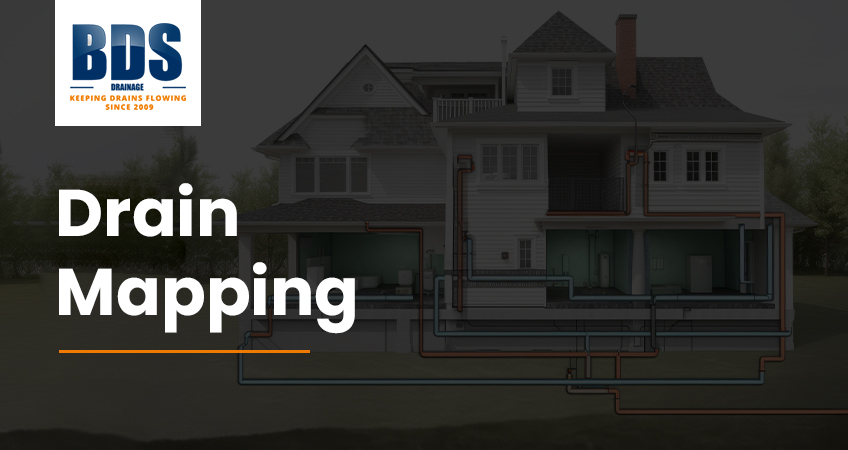
    Drain mapping, also known as drain and asset mapping, is the process of visually and electronically identifying the layout and features of a drainage system. This includes pinpointing key components like pipes, manholes, gullies, and flow direction.

    Using advanced tools such as GPS and plotting systems, drainage specialists create a detailed map of underground utilities. The map includes:

    • Size of drain pipes to identify capacity.
    • Depth and layout to understand how the system is structured.
    • Water flow direction to determine how water or waste moves within the network.

    This is not just a service to help you “know where things are.” Drain mapping lays the groundwork to prevent future problems, ensure smooth operations, and inform critical decisions for building projects or maintenance.

    Why is a drain mapping survey important?

    When it comes to keeping your property safe and functioning efficiently, having an accurate drainage map is essential. Here’s why:

    For building projects

    If you’re about to start a building project, detailed knowledge of your drainage system is vital for construction workers. Many times, securing planning permission requires a drain mapping survey. Without it, you might accidentally disrupt existing infrastructure, causing delays and unnecessary expenses. Knowing exactly where pipes and other drainage features are prevents costly mistakes during construction.

    For flood risk management

    One of the most critical applications of drain mapping is flood risk management. Inefficient or unknown drainage layouts can lead to disastrous flooding. A precise map helps you prepare better, ensuring effective drainage channels during heavy rainfall and reducing the risk of water damage.

    For preventing damage

    Blocked pipes, cracks, and other drainage issues can escalate quickly if left unchecked. A drain map helps you monitor the condition of your system, making it easy to spot potential weak points before they lead to damage.

    For environmental compliance

    Businesses that handle chemicals, trade effluents, or hazardous materials have a legal obligation to know where wastewater discharges. By investing in a drain mapping survey, you can remain compliant with environmental regulations while protecting water supplies from contamination.

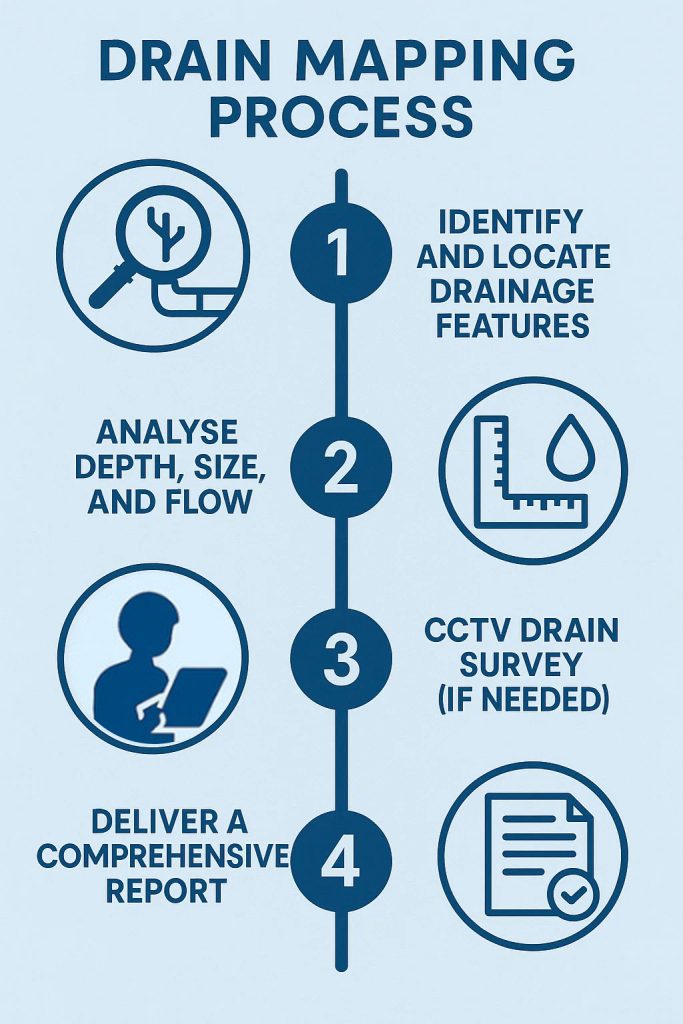
    The drain mapping process

    Drain mapping is a multi-step process.

    Here’s how it generally works:

    drain mapping process

    Step 1: Identify and locate drainage features

    Using GPS technology with accuracy up to 2cm, the team maps visible and underground drainage components and drainage infrastructure. Key features such as manholes, pipes, inspection chambers and gullies are identified and plotted precisely.

    Step 2: Analyse depth, size, and flow

    State-of-the-art tools allow engineers to measure pipe dimensions, depths, and the directional flow of wastewater or surface water. This information is crucial for everything from construction planning to emergency response strategies.

    Step 3: CCTV drain survey (if needed)

    To further inspect inaccessible areas, a CCTV drain survey may be conducted. This visual inspection allows the experts to assess the condition of pipes, check for the exact location of any blockages, and identify potential issues within the system.

    Step 4: Deliver a comprehensive report

    Once the survey is complete, a detailed report will be provided that includes:

    • A full-scale drainage map.
    • Accurate information on pipe conditions.
    • Recommendations for repairs, maintenance, or upgrades if necessary.

    More than just a survey

    Drain mapping isn’t just about having a document to file away. Regular mapping as part of ongoing drain maintenance ensures your system stays in top condition and reduces risks of costly breakdowns.

    FAQ

    How much do drain mapping services cost?

    The cost of drain mapping services can vary depending on the size and complexity of the drainage system. Smaller systems may cost less, typically starting from around £250, while larger or more intricate systems can range upwards of £1,000 due to the additional time and resources required. It is best to request a quote to get an accurate estimate tailored to your specific needs.

    Is drain mapping carried out on the day or does it take longer?

    Drain mapping can often be completed on the same day for straightforward systems, but more complex networks may require additional time. The duration depends on factors such as the system’s size, accessibility, and any unforeseen challenges encountered during the survey.

    Is drainage mapping a legal requirement for construction work?

    Yes, drainage mapping is often a legal requirement for building work to ensure compliance with local building regulations and environmental standards. It is essential for planning and preventing potential issues with existing drainage systems during and after construction projects. Always check local regulations to confirm your obligations.

    Get in touch with BDS Drainage today!

    If you’re experiencing drainage issues, don’t wait until they escalate into bigger problems. At BDS Drainage, we specialise in providing reliable and expert solutions tailored to your needs.

    Our skilled team is here to ensure your drainage system operates smoothly and efficiently. Contact us today to discuss your concerns and see how we can help you maintain a trouble-free system.

    Reach out to a local engineer now and take the first step toward peace of mind.