Author: BDS One base Media

  • 10 Tips for Saving Your Home From Flood Damage

    10 Tips for Saving Your Home From Flood Damage

    When flood water enters your home, the damage caused can be immense.

    No homeowner wants to find themselves in a situation like this, but it does happen.

    If you are dealing with this problem, there are some tips that can make things much clearer for you and help you to save your home.

    Read on to learn more about what you should do when your home has been affected by flooding.

    1. Turn Off the Power

    The first thing you should do is think about the safety of your home. If you don’t ensure that the power is off, and part of your home is flooded, there will be a major safety hazard, and it might end in disaster.

    So, you should always be sure to disconnect the power before you go any further. Nothing is more important than the health and safety matters such as this. It will put you in a position where you’re able to proceed safely.

    2. Move Fast to Remove the Water

    Once the first step has been taken, you need to start moving fast to get the water removed from the affected area of the home as quickly as you can.

    Manually removing the water is an option if all the power is off and you don’t have an alternative way of powering mechanical devices.

    This is a strenuous task, but it needs to be done. Wet/dry vacuums are also often used to suck up the excess flood water rapidly.


    Need help with flood damage? Speak to an expert now:

    08081 689 112


    For professional basement flood cleanup in London and the surroundings, give BDS plumbers a quick call on 02036 757 174 (CLICK TO CALL FROM YOUR MOBILE).  

    3. Contact Your Insurance Company

    You’re going to want to call up the company that provides your home and contents insurance cover as soon as possible. With so many things to do, this can often get forgotten about.

    But it’s always worth taking the time to notify them of what’s going on and what they need to be aware of.

    If you leave them in the dark for too long, getting your hands on the insurance payout you’re entitled to could become a lot harder for you and your family.

    4. Take Steps to Dry Out the Room

    Removing the water doesn’t mean that the affected area will be dry. Everything will still be drenched because some of that water will have been soaked up.

    That applies to the furniture, the carpets and the walls. Dehumidifiers are useful for drying out the area once the water has gone. And simple fans can be used as well.

    You want to salvage as much as you possibly can, but that’s only possible if you dry the area out as soon as you can.

    5. Steam Clean the Floor

    The padding of your carpets will have to be replaced if it’s been covered by the flood water. But that doesn’t necessarily mean that the whole carpet will have to be replaced.

    By steam cleaning the floor, you will be able to get rid of any of the dirt and bad smells that are lingering in the carpet.

    This is definitely worth doing because it’s a lot cheaper than having to completely replace all of the carpet that has been affected by the flood water.

    6. Scrub Away the Dirt

    You’re going to have to scrub hard to remove all the filth and grime that will be sticking to your home even after it’s been dried out. Flood water is not clean. So, when it enters your home, it will bring an awful lot of dirt with it.

    The best way to get rid of this residue is to use a scrubbing brush and soapy water to remove it. It’s hard work, but it really is the best way to get rid of any dirt that’s still hanging around after the above tips have been used.

    7. Destroy Bacteria by Using Disinfectant

    Even after the dirt has been removed, it’s possible that bacteria will still be lurking in the area hit by the flood water. That’s just how it is, and you might not even be able to notice it.

    That’s why it’s so important to make use of disinfectant. This will remove any of that dangerous bacteria that is still hanging around.

    Scrubbing along won’t get rid of it, so it’s important to make sure you don’t skip over this step.

    8. Prevent Mold Growth

    One of the dangers to be aware of when saving your home from the horrors of flood damage is mould growth. You can’t let this become an issue because it can be a real problem to deal with once it gets out of hand. There are mold control products that should be used. This will stop the problem in its tracks and make your life much easier as you try to get things back to normal as quickly as you possibly can.

    9. Check All the Furniture and Dispose of Any That Can’t be Recovered

    Not all of your furniture is going to be salvageable. Unfortunately, some of it will probably have to be thrown away. Of course, it depends on where the flood hit and which furniture was affected.

    Once you’ve got it out of the water and you’ve dried out the area, you should check all of your furniture that was impacted.

    You might be able to rescue some of it. But some items will inevitably have be disposed of in the correct way.

    10. Learn Lessons from the Experience

    Finally, you need to learn about how to prepare better for future floods. By having an action plan in place and improving your home setup, you might be able to avoid the worst of the damage in the future.

    Of course, you’ll hope that this never happens again, but hope won’t get you very far when it comes to keeping your home as secure and protected as it possibly can be. So, give this some thought.

    Flood damage is always a hassle to deal with, but by taking the right steps, you can get your home back to how it was sooner rather than later. So, keep these 10 tips firmly in mind.

  • The Importance of Water Pressure

    The Importance of Water Pressure

    We all use water in our homes, and we use it for a variety of different things. One thing is for sure: we certainly wouldn’t want our homes to be without it. But how strong is your knowledge of water pressure? And do you understand why it’s so important? Most people have heard of it, but they might not be so clued up on why it matters and what problems with water pressure in the home can lead to.

    This guide will let you know all you need to about keeping your water pressure at the correct level and avoiding the problems that can result from it being too high or too low. You can find out the basic information, some of the consequences you’ll want to avoid and the steps to take to put things right. So, read on now and start learning.

    What Is Water Pressure?

    Water pressure refers to the force with which water passes through your pipes and out of the faucet. It’s not hard to understand, but it’s important to make that clear before we go any further to look at the problems and issues that are associated with low or high water pressure. There are three units of measurement that are used when we’re talking about water pressure. These are bars, PSI and head. You don’t need to understand too much about them to understand why water pressure matters, though.

    What Do the Variations Mean?

    Water pressure is not just one of those things that matter to plumbers and people who are worried about how the water affects their hairstyle. It’s something that has direct consequences on lots of the things we all do each day. If the water pressure is too high or too low, you will experience problems and difficulties that should have to deal with. Even if you’re used to this problems, that’s no reason not to get them fixed. The variations matter a lot more than many people know. You can learn more about the precise consequences of having the wrong water pressure by reading on now.


    Need help with water pressure? Speak to an expert now:

    08081 689 112


    The Consequences of Low Water Pressure

    Slow Flow of Water

    When your water pressure is low, you will find that the water flow is slower than most people want it to be. This can be frustrating when you’re trying to take a shower and the water feels like it’s just dribbling out at an extremely low speed. It can also be annoying when you’re doing the most basic things in the kitchen. You will have to wait longer to complete tasks like filling the kettle up or washing the dishes in the sink. Most people don’t like waiting around for those kinds of tasks, so it can be pretty frustrating.

    Drop in Output When Two Appliances Are Using Water

    This is one of the problems that many people notice when they are having problems with low water pressure. For example, if someone is using the shower and another person in the home turns the kitchen taps on, the shower could experience a drop in output. This can be very annoying and frustrating. If you do experience this problem in your home, you should take action to stop the problem. It’s something that can be fixed, and many people don’t know that’s the case. Don’t feel like you need to put up with this annoyance any longer because it’s all linked to low water pressure.

    The Consequences of High Water Pressure

    Pipe Damage

    The most important thing to be aware of is pipe damage. Your high water pressure will strain your plumbing and pipes. This will inevitably lead to damage. This might not be something that happens instantly. Instead, it could be a cumulative effect, meaning the pipes will be worn down over time until, eventually, big problems are caused in your home. Nobody wants to deal with that. If you want to learn more about what kind of problems can be brought about by damaged pipes in your home, read on now.

    Leaks

    The pressure put on your plumbing system can be pretty immense when water pressure is too high. That’s something that you need to keep in mind because when your plumbing system is under too much pressure, it can lead to leaks as a result of the damage mentioned above. You don’t want to suffer the problems associated with leaks. It can cause damage to your home, and it can be a long time until you notice the problem. Those leaks are never fun to deal with, so be careful.

    Costly Wasted Water

    When water pressure is too high, as mentioned above, leaks are likely to occur. When that happens, you will end up using more water without actually using it. But you’re still going to be paying for that water. No one wants to be paying for things that they’re not even getting any use out of. But that’s what’s going to happen if your home has water pressure that’s simply too high. You can lose out on a lot of money, and that’s not something that too many people can afford to do. It’s one of the worst consequences of having high water pressure.

    What Can be Done to Fix Your Water Pressure Problem?

    If you are experiencing any of the problems mentioned above, it might be a sign that you have a problem with your water pressure. You should have it checked and then take steps to change things. You don’t need to just accept things the way they are when it comes to the water pressure in your home. Problems can be approached and fixed, and then you won’t have to worry about them again. Checking your internal plumbing and having any problems addressed is the first thing to do. Talking to the water supplier might be necessary as well.

    Water pressure certainly shouldn’t be ignored. If you do have any problems, get help and address them sooner or rather than later. That’s always the safe way to handle this kind of problem.

  • Does My Home Need a CCTV Drain Survey?

    Does My Home Need a CCTV Drain Survey?

    If you’re buying a new home, you need to know what you’re getting. This includes the home’s drains. If they’re not in good condition, this should be reflected in the price of the home. You might even want to get any problems cleared up before going ahead with the home purchase. There is nothing wrong with that, and it could save you money. That’s why more people are making the most of CCTV drain surveys.

    Anyone who’s still not sure whether to make the most of a CCTV drain survey should read on to learn more about this process. You can then make an informed decision regarding the drains of the house you’re about to buy. That could make a big difference to your house buying experience.

    What Is a CCTV Drain Survey?

    This is something that you might not have heard about before, but it’s pretty self-explanatory. A camera is lowered into the drainage system in order to gain a full picture of its condition. The drains can be examined comprehensively, and it can be decided if repairs or changes need to be made. A professional drain company will carry out this survey.

    This is something that become particularly useful if you are looking to purchase a home in the near future. It’s never wise to purchase a home until you have a complete picture of what condition it’s in and which improvements are required. It’s a type of survey that is becoming increasingly popular, and it’s not hard to see why. You can learn more about it by reading the information below.


    Need help with a CCTV drain survey? Speak to an expert now:

    08081 689 112


    Does Your New Home Really Need One?

    This is a question that you probably want an answer to. First of all, it’s important to make clear that this is something that is entirely up to you. Only you can make this call. However, drain problems can be difficult to fix, and they can be costly too. It’s always best to know about them before you commit to buying a house. If you don’t, you will just make more unnecessary problems for yourself.

    So, in short, you should be making the most of a CCTV drain survey. It allows you to know exactly what you’re getting. And it means that you won’t be in for any nasty surprises when the time comes to actually move into the home and start looking after it properly. It’s all about being clear and having that all-important peace of mind.

    Who’s Responsible for The Condition of Those Drains?

    When you’re buying a home, the seller relinquishes responsibility once the sale has been finalised. So, you can’t necessarily rely on the seller to ensure that the condition of the drains is up to scratch. It’s up to you to make sure that a survey is carried out. Many people don’t quite understand how all this works, especially if they’re buying a home for the first time.

    If you want to be sure that the home you’re buying has a drainage system that’s fit for purpose, you’re going to need to take action. It’s no use waiting for other people to take responsibility for issues like this. Only you care about the drains of the house you’re buying. Why would the owner who’s leaving the house behind care about things like that?

    What About if the Drains Are New?

    Many people assume that if the drains are relatively new, they don’t need to be checked using this method of examination. Unfortunately, that’s simply not true at all. There are problems that can affect drains at any time. No one wants to have to deal with damaged drains at any stage. But these things happen, and it’s not uncommon for new systems to be affected too.

    It’s not just about looking for signs of wear and tear. This kind of gradual damage takes time to emerge, but it’s not the only problem that is looked for when a CCTV drain survey is carried out. It’s just important to look for mistakes that were made when the drains were first fitted. This is why problems can even be found in newly built properties.

    Which Problems Are Commonly Uncovered by a CCTV Drain Survey?

    There are many things that can be found when a CCTV drain survey is carried out. Any of the common problems that pipes and drains can face can be found using this method of examination. If there is some kind of blockage or damage to the drains, this can be spotted very quickly, and then action can be taken to correct the problem.

    Root intrusions can be often be uncovered too. This is when roots from a tree or plant nearby intrude into your drains and start to cause problems. In the long-term, this can lead to cracks and fractures in the pipe, which in turn can lead to leaks. So, it’s important that issues like this are treated and dealt with sooner rather than later. That’s why a CCTV drain survey allows.

    Can it Prevent Further Drain Problems?

    Even if there is not a major drain problem in place right now, by having them checked and cleaned out, any potential problems can be stopped in their tracks. This is one good reason to have CCTV drain surveys carried out. It doesn’t have to be all about fixing problems that are there now because stopping them arising in the future can be just as important for you as a homeowner.

    Whether you’re in the process of buying a new home or not, the condition of your drains is important. By stopping problems from getting worse and causing you problems that are expensive to fix, you can save yourself money and prevent headaches. If you can stop those things happening, then it’s worth it. It’s something that you should have carried out regularly.

    This is an issue that can’t be ignored if you’re looking to buy a new home. You don’t want to be confronted with big drain problems later on, so consider a CCTV drain survey in advance.

  • Why Won’t My Hot Water Work?

    Why Won’t My Hot Water Work?

    Hot water is one of the many things that we all take for granted. When it’s there, we think nothing of it because that’s the way it should be, right? But when it stops working, it can feel like the world’s ending. Even if that characterisation is a little dramatic, it’s still pretty annoying when something we all rely on each day just isn’t there anymore. Tearing your hair out and get angry at your faucets won’t fix the problem or bring your hot water back, though. Instead, you need to find out why it’s not working.

    There are plenty of reasons why your hot water might not be working, and there are some steps that you can take to get to the source of the issue. Read on to learn about the steps that should be taken by you as a homeowner, as well as some of the common reasons for this headache.

    The Steps to Take When Your Hot Water Won’t Work:

    Examine the Water Heater

    The first thing you need to do is have a closer look at the water heater itself. This will help identify any obvious problems that might be causing the water to stop heating properly. Loose connections and obvious damage can cause this problem, so see if you can spot any evidence of that. These things can usually be fixed depending on the age and condition of the heater.

    Try to Kickstart the System

    Turning up the temperature as high as it will go could help to kickstart the water heater and get it working as normal once more. If you have an ageing heater, this can often be all that’s required. Of course, the same problem could arise again at some point. But for the time being, it helps you get your hot water on again, which has to make this trick worth trying once.


    Need help with hot water problems? Speak to an expert now:

    08081 689 112


    Look for Frozen Pipes

    If you’re experiencing these problems during winter when the temperature has already dropped pretty dramatically, it might be worth looking for frozen pipes. These are common causes of problems with your water heater. When the pipe freezes, it stops the entire system working properly. It’s hardly an ideal situation to be in, but by getting the problem fixed, you should be able to get your hot water back relatively quickly.

    Try Switching it Off

    This is one of those simple tricks that seems to easy and too cliched to possibly work. However, if nothing else is working for you, you definitely should try switching the system off. You can then leave it off for a few minutes or an hour. And then come back to it, switch it back on and see if anything has changed at all. You might be surprised to find that this is all that’s needed to get it working once more.

    Seek Professional Support

    If you are not having any luck with getting the bottom of the problem, it could be best to seek help from a professional who knows what they’re doing. If you have no plumbing background, it’s no surprise that you don’t know everything there is to know about water heaters. It can often be safer, quicker and easier to just get the right help from the right people. Otherwise, you might never get to the bottom of the problem. In this case call BDS Drainage and we can help.

    Common Reasons Why Your Hot Water Might Not be Working:

    Old Age

    Over time, your water heater takes a lot of wear and tear. It’s not a system that is going to get better as it gets older, as nice as that would be. Instead, it will slowly get worse, and some of its features might start to fail or its mechanics deteriorate. So, if your water heater is approaching about 10 years old, you should be looking to replace it anyway. Old age is the most common cause of people’s hot water not working.

    A Bad Thermostat

    Sometimes, thermostats can be the source of your problem. These regulate the heating of the water. In many cases, people forget that it has been turned down or turned off for whatever reason. They then wonder why the hot water isn’t working when they need it again. That’s why you should always check the thermostat first. It might also be broken and in need of some repair work.

    A Malfunctioned Timer

    If your heating uses a timer, it could simply be the case that something has gone wrong with that timer. This is a pretty small problem, and much easier to put right than some of the other issues your water heater could face. It could be as simple as resetting the timer. Sometimes, the clock can skip backwards or forwards, and that can lead to a situation wherein the water isn’t hot when you want it to be.

    Valve Problems

    When your problem is isolated to your water, meaning that the home’s central heating is working fine, it points towards a problem with your diverter valve. The valve might have become damaged or need replacing. It’s something to be aware of. It might also be the case that your valve float has got stuck, which can also lead to problems with your hot water. It’s not an ideal situation, but it’s relatively simple to fix.

    A Buildup of Sediment

    Your water heater is not going to just stay the same for as long as it’s in use. It experiences changes, and some of these can be damaging. For example, some of the contaminants found in the water that is stored in your heater can lead to a slow buildup of sediment. This can then harden and settle at the bottom of your water heater. Eventually, this could stop your heater from doing what you want it to.

    We all know that it can be pretty frustrated when your hot water just won’t work how you want it to. But keep a level head and do your best to get to the bottom of the problem. Only then will you be able to get things back in working order.

  • 5 Plumbing Problems in Old Houses to Watch Out For When Renovating

    5 Plumbing Problems in Old Houses to Watch Out For When Renovating

    [vc_row][vc_column][vc_column_text]Got an old house? Thinking of making a few friendly home improvements?

    One of the biggest obstacles when renovating, especially when extending or knocking down walls, is the plumbing.

    In an old house, a few renovations may also reveal plumbing problems you never knew existed.

    As the years have gone by, many previous plumbing practices have become outdated due to being less reliable (and in some cases less safe!).

    Renovating could be a chance to replace some of this prehistoric plumbing, saving you the hassle in the future.

    Here are five of the main problems worth looking out for.[/vc_column_text][/vc_column][/vc_row][vc_row][vc_column][vc_column_text]

    PB Pipes

    Between 1978 and 1995, a new material known as polybutylene started taking households by storm. It was heralded as the pipe of the future, being extremely cheap to make and install.

    However, the hype didn’t last long as thousands of pipes suddenly started to bursting. It’s believed that chlorine in public water was reacting with the pipe and making it brittle. The material is no longer used, but there are many homes that still contain it.


    Need help with plumbing problems? Speak to an expert now:

    08081 689 112


    [/vc_column_text][/vc_column][/vc_row][vc_row][vc_column][vc_column_text]

    Outdated Metal Pipes

    Many old metal materials used in piping have since become outdated. The most notorious, found in buildings constructed before 1970, is lead.

    Having found to be extremely poisonous, it’s worth getting lead piping removed straight away – tiny flakes could be coming off and poisoning the water supply. The material has been banned, and whilst it has been removed from most homes, some properties may still contain it.

    Galvanised steel piping has similarly not been used since the 70s. This is not due to health dangers, but simply due to the fact that it easily corrodes.

    This can have one of two results, either springing leaks by eating away at the pipe or causing rust deposits which block the pipe and reduce the water pressure.

    Old iron piping can have the same effect. In such cases, getting this removed and replaced with copper or plastic could be beneficial.[/vc_column_text][/vc_column][/vc_row][vc_row][vc_column][vc_column_text]

    Old Plumbing Fixtures

    All fixtures have a set lifespan after which they start to wear away. This depends on the material and type of fixture.

    Copper pipes can last for up to 80 years, whilst PEX pipes can corrode after 40 years. Some water heaters may need to be replaced within 10 years, whilst sinks and toilets may be capable of lasting up to a century (although it’s unlikely people will keep onto such units for as long).

    If you suspect a pipe or other fixture to be old, it could be worth looking into its lifespan – a replacement could be in order.[/vc_column_text][/vc_column][/vc_row][vc_row][vc_column][vc_column_text]

    Incorrect Water Heater Replacement

    A dodgy water heater is a serious concern. It could burst and overflow the house, soaking electrical cables and causing electric shock and fire risks. It may even be leaking carbon dioxide.

    Common installation errors to look out for include no TRP valve drain pipe, no catch pan, unprotected electrical cables and inaccessible circuit breakers.

    It’s worth getting someone to look at your water heater to check that it is safe and fully working. Water heaters should ideally be replaced every 10 to 20 years, but there are some homeowners who may be operating on ones much older, potentially installed by a DIYer or a plumber back when water heaters laws weren’t so stringent.[/vc_column_text][/vc_column][/vc_row][vc_row][vc_column][vc_column_text]

    Dodgy DIY Repairs

    There are plenty of dodgy DIY repairs that can cause havoc on your home. They may likely have been from previous homeowners. As a rule, fewer of us partake in DIY tasks nowadays than in previous years when it was commonplace. This isn’t to say that generations past were always better at DIY – in fact DIY piping disasters may be more common in older homes.

    You should look out for oddly mismatched piping materials, traps installed backwards and amateurish attempts to secure pipes with rope or duct tape – all this is clear signs of a dodgy DIY job from a previous owner.

    Get a professional to fix up this piping so that you know it’s going to last. It’s likely you’ll already be getting odd noises and pressure problems from these plumbing blunders.[/vc_column_text][/vc_column][/vc_row][vc_row][vc_column][vc_column_text]If you are experiencing plumbing problems and you’re in need of professional plumbing services or drain unblocking services, call BDS Drainage at 08081 689 112 (CLICK TO CALL) and our plumbers will fix that problem in no time.[/vc_column_text][/vc_column][/vc_row]

  • How To Find A Plumber You Can Trust & Won’t Rip You Off

    [vc_row][vc_column][vc_column_text]Handyman services aren’t difficult to find, but how do you know you’re getting the best service for your money?

    When it comes to plumbers, there are some notable examples to avoid.

    This may include the daylight-robber who turns up in a sports car and charges hundreds for opening your main shut off valve.

    And then, of course, there’s the dishevelled cowboy plumber who charges a bargain rate but leaves behind an unfinished botch job, driving away with your money never to be seen again.

    Fortunately, most plumbing companies are run by decent tradespeople dedicated to solving your problems and delivering efficient service.

    However, it’s worth looking out for specific signs to ensure you’re choosing a proficient and credible service and not someone whose only interest is to rip you off.[/vc_column_text][/vc_column][/vc_row][vc_row][vc_column][vc_column_text]

    Do They Have a Website?

    A website can often be a good sign for many reasons. It can show that a plumbing company is established and credible, and not some crook who is about to run off with your money. It can also often provide extra information on what services they provide, how long they’ve been established and which areas they cover, all of which you can use to determine if they’re the right company for you.


    Need a trusted plumber? Speak to an expert now:

    08081 689 112


    [/vc_column_text][/vc_column][/vc_row][vc_row][vc_column][vc_column_text]

    Look Out for Trader Schemes

    Trader schemes can show that a plumber is more trustworthy as it shows their work has been screened by a professional body in order to meet certain standards. TrustMark is one such scheme to look out for. You can also search for plumbers approved by your water company at WaterSafe. A Work Completed Certificate should be given to you as a contract to legally protect you.[/vc_column_text][/vc_column][/vc_row][vc_row][vc_column][vc_column_text]

    Read Reviews and Testimonials

    You may be able to look up reviews of local plumbers on sites such as RatedPeople. Plumbers may also have testimonials on their website from previous clients, which shows proof of good service. These are worth researching into.

    Some companies may be able to give references on request if you can’t find any sign of reviews or testimonials.

    If the plumbing company has a social media page this may also allow you to see how credible they are through followers and comments. Facebook has recently introduced reviews on business pages, although these aren’t always enabled by the page owner.[/vc_column_text][/vc_column][/vc_row][vc_row][vc_column][vc_column_text]

    Personal Recommendations Can Be a Good Sign

    The web needn’t be the only place to look for recommendations. If a friend or family member can suggest a local plumber that they’ve used and had good results from, this could be advice worth taking.

    Meanwhile, if you’re having other work done to your house and other handyman services are getting involved, it could be worth asking these tradespeople if they can recommend anyone.

    Builders, electricians and surveyors may be able to recommend a plumber that they’ve worked with in the past. Online testimonials and reviews can sometimes be faked after all (very rare and generally on small company websites), so you know you’re getting a real endorsement if it’s coming out of someone else’s mouth.[/vc_column_text][/vc_column][/vc_row][vc_row][vc_column][vc_column_text]

    Get a Detailed Quote (and don’t pay until it’s done)

    Before committing with any plumbing company, you should always first get a quote so that you know exactly how much you’re paying. If they can provide a breakdown of the pricing this could might prove even more beneficial.

    Some companies can provide quotes over the phone, but generally it’s worth having a handyman service come in and survey the problem first. Be aware that pricing isn’t everything to go by and a cheaper company may be offering less services.

    If possible, don’t pay until the work is done. This will avoid you being caught out by a shady tradesman. You may have to pay a deposit or some payment towards materials – this is fair and covers them against clients that may pull out at the last minute or refuse to pay when the work is done.[/vc_column_text][/vc_column][/vc_row][vc_row][vc_column][vc_column_text]

    Do They Offer Any Guarantees?

    Various incentives can be worth looking out for. This may include a discount price, a free quote or a guarantee.

    Offering to pay your money back if something goes wrong within a set period is generally the perfect sign of a credible company – they’re dedicated to doing the best job possible and aren’t about to run off to Spain.

    Some companies will even have a penalty clause that means that they will take off money if the work overruns.[/vc_column_text][/vc_column][/vc_row][vc_row][vc_column][vc_column_text]If you are experiencing plumbing problems and you’re in need of professional plumbing services or drain unblocking services, call BDS Drainage at 08081 689 112 (CLICK TO CALL) and our plumbers will fix that problem in no time.[/vc_column_text][/vc_column][/vc_row]

  • Noisy Water Pipes: Why Do My Pipes Get Noisy & How to Fix Them

    Noisy Water Pipes: Why Do My Pipes Get Noisy & How to Fix Them

    [vc_row][vc_column][vc_column_text]Noisy water pipes can be a nuisance, disturbing the peace in your home.

    Quite often they may also be signs of plumbing problems waiting to be fixed.

    Here are just a few reasons why your pipes might be whining and groaning and how you can hush them up.[/vc_column_text][/vc_column][/vc_row][vc_row][vc_column][vc_column_text]

    Noisy Water Pipes – Worn Washers and Valves

    Washers and valves will naturally get worn over time. Sometimes even a loose screw can be the cause. This can often be the source of squealing and may involve a simple replacement. Sourcing the noise isn’t always easy, especially if it’s coming from within a wall. A common place for wear and tear is the connection to the washing machine. This could be a damaged hose or possibly a cracked washer in the faucet – turn off the house water first and then repair.

    The main house valve can also sometimes be a culprit to look out for. Turn off the water at the street valve first before tackling this. Replacing it or repairing may require a professional.


    Need help with noisy water pipes? Speak to an expert now:

    08081 689 112


    [/vc_column_text][/vc_column][/vc_row][vc_row][vc_column][vc_column_text]

    Noisy Water Pipes – Loose Pipes

    Subsidence and weathering can sometimes push certain pipes out of joint, particularly underground pipes or exterior pipes running down the wall. They may still be working perfectly, but due to being pushed a little out of line could be rattling against their supports.

    Make sure that they’re securely fitted back to their joists so that there’s no more movement – this will stop the rattling and prevent pipes from moving any further out of line and causing more major damage.[/vc_column_text][/vc_column][/vc_row][vc_row][vc_column][vc_column_text]

    Noisy Water Pipes – Water Hammer

    When we shut off a faucet, water is still rushing through the pipes at a fast rate. An air chamber (or antihammer) is needed to stop that water ramming against the closed faucet and rattling (and potentially rupturing) the pipes. The water goes into the air chamber where it is cushioned by air that is trapped there. Over time, these air chambers can start to fail by losing air and so the water has nothing to cushion it, creating a thudding or chattering sound known as ‘water hammer’.

    This may involve draining the entire house in order to restore air flow back into these chambers. Alternatively, you could get the air chambers replaced with modern commercial antihammers that are less likely to fail. These modern chambers use a t-fitting and sometimes a spirally wound coil of copper tubing that helps to contain air. Antihammers leading from washing machines and dishwashers are some of the most common to need fixing, where the water pressure is likely to be highest.[/vc_column_text][/vc_column][/vc_row][vc_row][vc_column][vc_column_text]

    Noisy Water Pipes – Damaged Water Pressure Regulator

    Many houses have water pressure regulators fitted, either to increase or decrease the flow of water if the pressure is naturally too low or high. The pressure monitor may have a crack in the manifold that could be causing a howling noise. Repairing or replacing this water pressure regulator could be the answer.[/vc_column_text][/vc_column][/vc_row][vc_row][vc_column][vc_column_text]

    Noisy Water Pipes – Toilet Problems

    Many people may experience noisy toilets, especially when the tank is refilling after flushing. This can be due to a variety of reasons, the most common being a faulty ballcock mechanism. Take the lid of your toilet’s tank whilst it’s flushing and determine whether the whistling stops after the tank has refilled – if it does then you know it’s the ballcock to blame! Whilst ballcock valves can be repaired, it may often be easier to replace the whole mechanism.

    If there’s a hissing that continues after the tank has refilled, you may be dealing with an overflow problem. Check if the water is flowing into the overflow pipe. If it is, you may have to adjust the ballcock mechanism (usually bending the float arm slightly downward will do it).
    Faucet problems may also be a problem on a toilet if the source of the noise isn’t coming from the tank. Again, it may be something as simple as a loose screw or worn washer.[/vc_column_text][/vc_column][/vc_row][vc_row][vc_column][vc_column_text]If you are experiencing plumbing problems and you’re in need of professional plumbing services or drain unblocking services, call BDS Drainage at 08081 689 112 (CLICK TO CALL) and our plumbers will fix that problem in no time.[/vc_column_text][/vc_column][/vc_row]

  • Top 8 Creative Plumbing Designs from Pinterest & Instagram

    Top 8 Creative Plumbing Designs from Pinterest & Instagram

    [vc_row][vc_column][vc_column_text]Plumbing can be such a boring thing, however it only takes that one unique individual to have a brain wave to make something so ordinary, into something uniquely creative.

    No matter if you have awkwardly designed plumbing in your home, or you want to add a steampunk or quirky design to your home, by installing and finding new uses for pipes in your home, we are sure we can find you some inspiration.

    Below, we have selected the top 8 pictures displaying creative plumbing designs from both Pinterest & Instagram.[/vc_column_text][/vc_column][/vc_row][vc_row][vc_column][vc_column_text]

    Santa Cruz Pier

    If you are planning to visit the Santa Cruz Pier, then be sure to keep your eyes open for this fantastic creative design plumbing! The artistic level of quality that has been put into providing this plumbing pipe with a creative solution is stunning.[/vc_column_text][/vc_column][/vc_row][vc_row][vc_column][vc_single_image image=”6580″ img_size=”full” add_caption=”yes” alignment=”center” style=”vc_box_shadow_3d”][/vc_column][/vc_row][vc_row][vc_column][vc_column_text]

    Bathroom Towel Rails

    Do you have a weird plumbing design in your bathroom or are you looking for a new storage solution for the toilets?

    We adore this creative plumbing idea of using pipework as a storage method for bath towels and toilet rolls!

    If you like this idea too, why not get some pipe, fix it all together in a design you like and attach it to the walls in your bathroom?[/vc_column_text][/vc_column][/vc_row][vc_row][vc_column][vc_single_image image=”6582″ img_size=”full” add_caption=”yes” alignment=”center” style=”vc_box_shadow_3d”][/vc_column][/vc_row][vc_row][vc_column][vc_column_text]

    Pipe Wine Rack

    Whether you have a plumbing system that can perfectly hold your bottles of wine, or you fancy attaching some metal pipe plumbing fixtures in your home to make a quirky wine bottle holder, either way we love this idea.[/vc_column_text][/vc_column][/vc_row][vc_row][vc_column][vc_single_image image=”6584″ img_size=”full” add_caption=”yes” alignment=”center” style=”vc_box_shadow_3d”][/vc_column][/vc_row][vc_row][vc_column][vc_column_text]

    Super Mario Bros.

    Are you or your children massive fans of Super Mario?

    Why not give that plumbing work a lick of paint and add some Mario figurines?

    Even if you are not a fan of Mario, simply giving your drainage pipes a coat of paint can really brighten up the room.[/vc_column_text][/vc_column][/vc_row][vc_row][vc_column][vc_single_image image=”6586″ img_size=”full” add_caption=”yes” alignment=”center” style=”vc_box_shadow_3d”][/vc_column][/vc_row][vc_row][vc_column][vc_column_text]

    Creative Bathroom Plumbing

    We can’t get over how creative and stylish this bathroom plumbing looks, which the shiny zig-zag pipe above the toilet and the symmetrical pipes above the sink.[/vc_column_text][/vc_column][/vc_row][vc_row][vc_column][vc_single_image image=”6588″ img_size=”full” add_caption=”yes” alignment=”center” style=”vc_box_shadow_3d”][/vc_column][/vc_row][vc_row][vc_column][vc_column_text]

    Wardrobe Storage Ideas

    Have you recently moved to a house where you have some ugly looking plumbing going through your bedroom that you don’t know how to disguise?

    No need to despair, as you could use it as a clothes rail to hang your clothes off of, or even spread a plank of wood across it (obviously, don’t put any nails into the pipework) and use it as a shelf.[/vc_column_text][/vc_column][/vc_row][vc_row][vc_column][vc_single_image image=”6590″ img_size=”full” add_caption=”yes” alignment=”center” style=”vc_box_shadow_3d”][/vc_column][/vc_row][vc_row][vc_column][vc_column_text]

    Pipe Bookshelf

    If you are an avid book reader, who is running out of places to store your books, then why not try setting them up on top of your house plumbing pipes, like in this picture?[/vc_column_text][/vc_column][/vc_row][vc_row][vc_column][vc_single_image image=”6592″ img_size=”full” add_caption=”yes” alignment=”center” style=”vc_box_shadow_3d”][/vc_column][/vc_row][vc_row][vc_column][vc_column_text]

    Artistic Plumbing

    If you are handy with a paintbrush or a can of spray paint, why not take some inspiration from this artistic plumbing solution and turn that annoying piece of home plumbing into something cool or funny?[/vc_column_text][/vc_column][/vc_row][vc_row][vc_column][vc_raw_html]JTNDY2VudGVyJTNFJTNDYmxvY2txdW90ZSUyMGNsYXNzJTNEJTIyaW5zdGFncmFtLW1lZGlhJTIyJTIwZGF0YS1pbnN0Z3JtLWNhcHRpb25lZCUyMGRhdGEtaW5zdGdybS12ZXJzaW9uJTNEJTIyNyUyMiUyMHN0eWxlJTNEJTIyJTIwYmFja2dyb3VuZCUzQSUyM0ZGRiUzQiUyMGJvcmRlciUzQTAlM0IlMjBib3JkZXItcmFkaXVzJTNBM3B4JTNCJTIwYm94LXNoYWRvdyUzQTAlMjAwJTIwMXB4JTIwMCUyMHJnYmElMjgwJTJDMCUyQzAlMkMwLjUlMjklMkMwJTIwMXB4JTIwMTBweCUyMDAlMjByZ2JhJTI4MCUyQzAlMkMwJTJDMC4xNSUyOSUzQiUyMG1hcmdpbiUzQSUyMDFweCUzQiUyMG1heC13aWR0aCUzQTY1OHB4JTNCJTIwcGFkZGluZyUzQTAlM0IlMjB3aWR0aCUzQTk5LjM3NSUyNSUzQiUyMHdpZHRoJTNBLXdlYmtpdC1jYWxjJTI4MTAwJTI1JTIwLSUyMDJweCUyOSUzQiUyMHdpZHRoJTNBY2FsYyUyODEwMCUyNSUyMC0lMjAycHglMjklM0IlMjIlM0UlM0NkaXYlMjBzdHlsZSUzRCUyMnBhZGRpbmclM0E4cHglM0IlMjIlM0UlMjAlM0NkaXYlMjBzdHlsZSUzRCUyMiUyMGJhY2tncm91bmQlM0ElMjNGOEY4RjglM0IlMjBsaW5lLWhlaWdodCUzQTAlM0IlMjBtYXJnaW4tdG9wJTNBNDBweCUzQiUyMHBhZGRpbmclM0E1MC4wJTI1JTIwMCUzQiUyMHRleHQtYWxpZ24lM0FjZW50ZXIlM0IlMjB3aWR0aCUzQTEwMCUyNSUzQiUyMiUzRSUyMCUzQ2RpdiUyMHN0eWxlJTNEJTIyJTIwYmFja2dyb3VuZCUzQXVybCUyOGRhdGElM0FpbWFnZSUyRnBuZyUzQmJhc2U2NCUyQ2lWQk9SdzBLR2dvQUFBQU5TVWhFVWdBQUFDd0FBQUFzQ0FNQUFBQXBXcW96QUFBQUJHZEJUVUVBQUxHUEMlMkZ4aEJRQUFBQUZ6VWtkQ0FLN09IT2tBQUFBTVVFeFVSY3pNelBmMzk5ZlgxJTJCYm01bXpZOUFNQUFBRGlTVVJCVkRqTHZaWGJFc01nQ0VTNSUyRlA4JTJGdDlGdVJWQ1JtVTczSldsem9zZ1NJSVpVUkNqbyUyRmFkJTJCRVFKSkI0SHY4QkZ0JTJCSURwUW9DeDF3ak9TQkZoaDJYc3N4RUlZbjN1bEklMkY2TU5SZUUwN1VJV0pFdjhVRU9XRFM4OExZOTdrcXlUbGlKS0t0dVlCYnJ1QXlWaDV3T0hpWG1waTV3ZTU4RWswMjhjend5dVFkTEtQRzFCa2I0Tm5NJTJCVmVBbmZIcW4xazQlMkJHUFQ2dUdRY3Z1MmgyT1Z1SWYlMkZnV1VGeXk4T1dFcGR5WlNhM2FWQ3FwVm9WdnpaWjJWVG5uMndVOHF6VmpERGV0TzkwR1N5OW1WTHF0Z1lTeTIzMU14clk2STJnR3FqclRZMEw4ZnhDeGZDQmJoV3JzWVlBQUFBQUVsRlRrU3VRbUNDJTI5JTNCJTIwZGlzcGxheSUzQWJsb2NrJTNCJTIwaGVpZ2h0JTNBNDRweCUzQiUyMG1hcmdpbiUzQTAlMjBhdXRvJTIwLTQ0cHglM0IlMjBwb3NpdGlvbiUzQXJlbGF0aXZlJTNCJTIwdG9wJTNBLTIycHglM0IlMjB3aWR0aCUzQTQ0cHglM0IlMjIlM0UlM0MlMkZkaXYlM0UlM0MlMkZkaXYlM0UlMjAlM0NwJTIwc3R5bGUlM0QlMjIlMjBtYXJnaW4lM0E4cHglMjAwJTIwMCUyMDAlM0IlMjBwYWRkaW5nJTNBMCUyMDRweCUzQiUyMiUzRSUyMCUzQ2ElMjBocmVmJTNEJTIyaHR0cHMlM0ElMkYlMkZ3d3cuaW5zdGFncmFtLmNvbSUyRnAlMkZCQS1hNlVtaThPdyUyRiUyMiUyMHN0eWxlJTNEJTIyJTIwY29sb3IlM0ElMjMwMDAlM0IlMjBmb250LWZhbWlseSUzQUFyaWFsJTJDc2Fucy1zZXJpZiUzQiUyMGZvbnQtc2l6ZSUzQTE0cHglM0IlMjBmb250LXN0eWxlJTNBbm9ybWFsJTNCJTIwZm9udC13ZWlnaHQlM0Fub3JtYWwlM0IlMjBsaW5lLWhlaWdodCUzQTE3cHglM0IlMjB0ZXh0LWRlY29yYXRpb24lM0Fub25lJTNCJTIwd29yZC13cmFwJTNBYnJlYWstd29yZCUzQiUyMiUyMHRhcmdldCUzRCUyMl9ibGFuayUyMiUzRUdvbnpvJTIwcGlwZSUyMCUyM2NyZWF0aXZlcGx1bWJpbmclMjAlMjNtdXBwZXRpbnRoZXBpcGVsaW5lJTIwJTIzdGhhdG5vc2UlMjAlMjN5b3Vmb29sZWRtZSUyMCUyM3ByZW56bGF1ZXJiZXJnJTNDJTJGYSUzRSUzQyUyRnAlM0UlMjAlM0NwJTIwc3R5bGUlM0QlMjIlMjBjb2xvciUzQSUyM2M5YzhjZCUzQiUyMGZvbnQtZmFtaWx5JTNBQXJpYWwlMkNzYW5zLXNlcmlmJTNCJTIwZm9udC1zaXplJTNBMTRweCUzQiUyMGxpbmUtaGVpZ2h0JTNBMTdweCUzQiUyMG1hcmdpbi1ib3R0b20lM0EwJTNCJTIwbWFyZ2luLXRvcCUzQThweCUzQiUyMG92ZXJmbG93JTNBaGlkZGVuJTNCJTIwcGFkZGluZyUzQThweCUyMDAlMjA3cHglM0IlMjB0ZXh0LWFsaWduJTNBY2VudGVyJTNCJTIwdGV4dC1vdmVyZmxvdyUzQWVsbGlwc2lzJTNCJTIwd2hpdGUtc3BhY2UlM0Fub3dyYXAlM0IlMjIlM0VBJTIwcG9zdCUyMHNoYXJlZCUyMGJ5JTIwTGlzZSUyMEhhcmxldiUyMCUyOCU0MGxpc2VoYXJsZXYlMjklMjBvbiUyMCUzQ3RpbWUlMjBzdHlsZSUzRCUyMiUyMGZvbnQtZmFtaWx5JTNBQXJpYWwlMkNzYW5zLXNlcmlmJTNCJTIwZm9udC1zaXplJTNBMTRweCUzQiUyMGxpbmUtaGVpZ2h0JTNBMTdweCUzQiUyMiUyMGRhdGV0aW1lJTNEJTIyMjAxNi0wMS0yNVQyMCUzQTI0JTNBMTklMkIwMCUzQTAwJTIyJTNFSmFuJTIwMjUlMkMlMjAyMDE2JTIwYXQlMjAxMiUzQTI0cG0lMjBQU1QlM0MlMkZ0aW1lJTNFJTNDJTJGcCUzRSUzQyUyRmRpdiUzRSUzQyUyRmJsb2NrcXVvdGUlM0UlMjAlM0NzY3JpcHQlMjBhc3luYyUyMGRlZmVyJTIwc3JjJTNEJTIyJTJGJTJGcGxhdGZvcm0uaW5zdGFncmFtLmNvbSUyRmVuX1VTJTJGZW1iZWRzLmpzJTIyJTNFJTNDJTJGc2NyaXB0JTNFJTNDJTJGY2VudGVyJTNF[/vc_raw_html][/vc_column][/vc_row][vc_row][vc_column][vc_column_text]If you are experiencing plumbing problems and you’re in need of professional plumbing services or drain unblocking services, call BDS Drainage at 08081 689 112 (CLICK TO CALL) and our plumbers will fix that problem in no time.[/vc_column_text][/vc_column][/vc_row][vc_row][vc_column][vc_column_text][/vc_column_text][/vc_column][/vc_row]

  • 5 Common Summer Plumbing Problems and its Fixes

    5 Common Summer Plumbing Problems and its Fixes

    [vc_row][vc_column][vc_column_text]Summer has finally arrived, which means that homeowners have yet another enjoyable activity to look out for… summer plumbing problems.

    Summer is meant to be a time for relaxing, so let BDS put your mind at ease with our summer plumbing tips on a list of plumbing problems and how to fix them, to help make your weekends a bit more relaxing and enjoyable.

    Top 5 plumbing problems in summer:[/vc_column_text][/vc_column][/vc_row][vc_row][vc_column][vc_column_text]

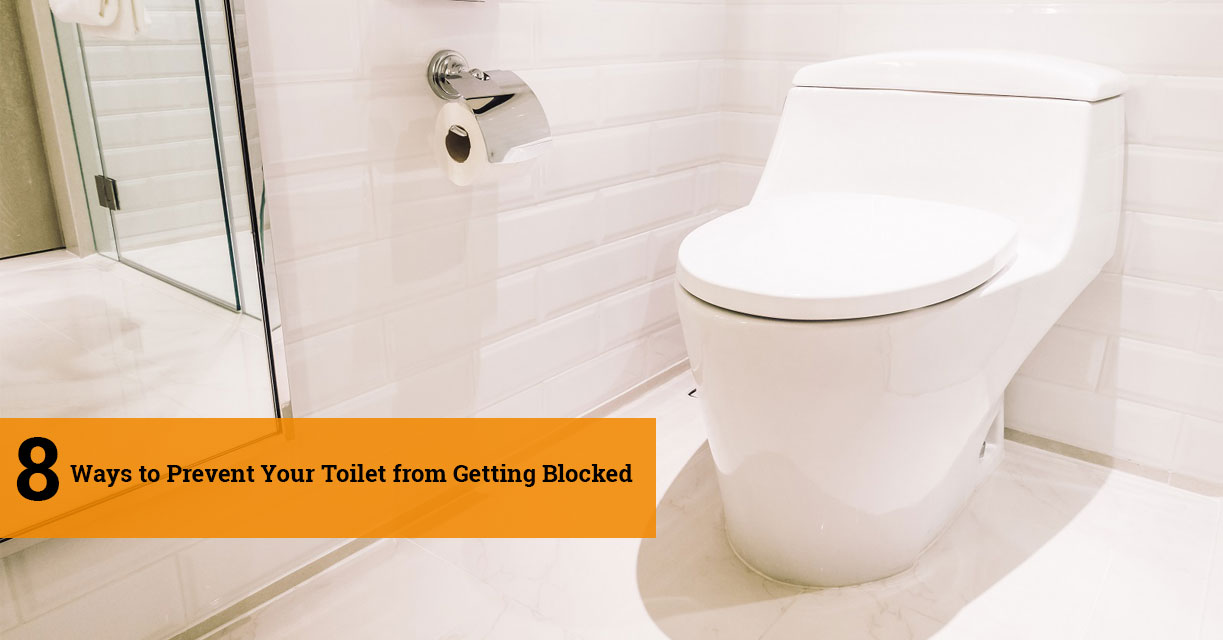
    1. Clogged Toilets

    Whether you are having BBQs and guests over, or you have your children home during the summer, your toilets are going to be used more often, which means the likelihood of experiencing blocked toilets is high.

    To avoid children and teenagers from blocking your toilet, why not create some signs about what can and cannot be flushed down the toilet, while also leaving a small bin in the bathroom for anything that needs to be thrown away.

    Meanwhile, with young children, it is always useful teaching them how much toilet tissue is okay to use, otherwise if they use too much then this could cause a toilet blockage.

    Additionally, keep a plunger in the bathroom in case you come across any problems in plumbing.


    Need help with plumbing? Speak to an expert now:

    08081 689 112


    [/vc_column_text][/vc_column][/vc_row][vc_row][vc_column][vc_column_text]

    2. Damaged Sprinkler Heads

    When mowing those luscious green lawns, please be sure to check for sprinkler heads that could get damaged in the grass.

    Not only would this mean that you would need to buy a new water sprinkler system, but if you have a broken sprinkler head and you don’t realise, this could also mean that you will both be wasting water and that your grass could die.[/vc_column_text][/vc_column][/vc_row][vc_row][vc_column][vc_column_text]

    3. Clogged Drain – Slow Shower Drainage

    From sand brought into your house from the beach, to loose hair, you may experience slow shower drainage particularly in the summer months. To avoid a flooding from the shower, it is important to regularly clear away any built up hair and dirt from the shower drain.

    Also, if you’ve gone to the beach, make sure any bikinis and swimming suits are taken off before getting into the shower, so that any sand can go on the floor and be easily swept up.[/vc_column_text][/vc_column][/vc_row][vc_row][vc_column][vc_column_text]

    4. Washing Machine Problems

    Your washing machine load is bound to build up during summer, especially if you have children home for the summer holidays, which means your washing machine is going to be used a lot more than usual.

    Therefore, disappointingly there is a high chance of you experiencing problems with your washing machine.

    One problem to try and avoid, is your washing machine hose leaking. To avoid any floods, be sure to check your washing machine hose.[/vc_column_text][/vc_column][/vc_row][vc_row][vc_column][vc_column_text]

    5. Clogged Pipes

    Our summer drainage problems also include root blockages.

    During the summer periods, trees grow at a quicker rate compared to the winter months, meaning that this is the ideal time for their roots to grow, causing tree root blockages in our drains and sewers, which calls for the need of drain clearance services.

    Firstly, to avoid this problem don’t plant any trees near your home or drainage system.

    Meanwhile, constant summer showers and storms could access the sewer along with loose dirt should there be any cracks, which could potentially cause blocked up sewers and backed up sewers.

    Regular drain cleaning services and CCTV drainage checks can also ensure you don’t run into any drain problems.[/vc_column_text][/vc_column][/vc_row][vc_row][vc_column][vc_column_text]If you are experiencing plumbing problems this summer, then why not give BDS Drainage a call today at 07597939206.

    We offer 24/7 plumbing support, emergency plumbing and emergency repair services; our emergency plumbers will be more than happy to solve those household summer plumbing problems for you.[/vc_column_text][/vc_column][/vc_row]

  • History of Drainage Systems: Historical Development of Sewers in London

    History of Drainage Systems: Historical Development of Sewers in London

    [vc_row][vc_column][vc_column_text]Drainage systems are something that we have become heavily reliant on.

    Not only is it something that we have been dependant on in our everyday lives, but it is something that we have grown up with.

    As soon as something goes wrong with our drainage system, we panic and half the time, don’t know the first thing we should do to solve the problem. I doubt the majority of us think twice about where the drain water goes, what happens in the toilet system when we flush the loo or where that grubby water goes when we pull the plug from the bath or sink.

    It is time to open our eyes to the drainage system and to learn its fascinating history.

    Read on to find out the history of drainage systems.[/vc_column_text][/vc_column][/vc_row][vc_row][vc_column][vc_column_text]

    The First Flushing Toilet

    It was in the 16th century that the flushing toilet was invented through a design made by Sir John Harrington.

    However, it wasn’t until 200 years later that the patented bowl was then created.


    Need help unblocking your drain? Speak to an expert now:

    08081 689 112


    [/vc_column_text][/vc_column][/vc_row][vc_row][vc_column][vc_column_text]

    How Sewer Systems Started

    It was during 1858 – the year of The Great Stink, where the smell of the untreated human waste reached unimaginable heights during the hot weather – that Parliament agreed to install a London sewage system despite the great expense of the project.[/vc_column_text][/vc_column][/vc_row][vc_row][vc_column][vc_column_text]

    When was the London Sewage System Built?

    The majority of London had an underground sewage system running through it in by 1866.[/vc_column_text][/vc_column][/vc_row][vc_row][vc_column][vc_column_text]

    Who Built London Sewers?

    When Parliament realised that sever action needed to take place to remove the smell of human waste, Joseph Bazalgette who was the top engineer (both a civil engineer and a chief engineer), had a meeting to discuss plans for an underground sewer.[/vc_column_text][/vc_column][/vc_row][vc_row][vc_column][vc_column_text]

    When did Bazalgette Build the Sewers?

    Bazalgette designed the London drainage system, which were then starting to be built in 1859.

    Work for the London drainage was then pretty much complete in 1868.[/vc_column_text][/vc_column][/vc_row][vc_row][vc_column][vc_column_text]

    How Long did London Sewers Take to Build?

    Bazalgette and his team of engineers built a 82 mile long sewer, which ran alongside the River Thames, along with 1,100 miles of sewers that ran along the streets.

    It took 318 million bricks to build the underground system for our drainage. Meanwhile, over 2.5 million cubic meters of earth was dug up in the process.

    In total, the sewers cost £4.2 million and it took about eight years to build.[/vc_column_text][/vc_column][/vc_row][vc_row][vc_column][vc_column_text]

    When was the First Sewer System Invented?

    During the 19th century, the River Thames acted like an open sewer. During 1865, there were suggestions made about modernising the current sewerage system, however, due to lack of money, these ideas were put on hold.[/vc_column_text][/vc_column][/vc_row][vc_row][vc_column][vc_column_text]

    Drainage Services Today

    Today, the biggest problems we have to worry about is blocked drains and ensuring we only flush away items that have been approved for flushing.

    The London sewer system has experienced many fatbergs, one of the biggest being in 2013 with the fatberg being the size of a bus blocking the sewers, built up of fat and oils being washed down the sink, along with wet wipes, condoms, food and many more items.

    If you are experiencing a blocked drain, why not give BDS Drainage a call today on 07597939206 and our emergency plumbers will take care of all your clogged drain problems, providing you with professional drainage solutions.[/vc_column_text][/vc_column][/vc_row]