Author: BDS One base Media

  • How much does it cost to unblock a drain in London?

    How much does it cost to unblock a drain in London?

    Managing a home or a business means dealing with the unexpected, and unblocking drains certainly falls into that category. Beyond the inconvenience, drain blockages can potentially lead to health risks if not addressed promptly.

    However, you might be wondering, “What’s the drain unblocking cost in London?”

    At BDS Drainage, we believe in clear, upfront pricing. So, in this blog post, we’ll delve into the price associated with drain unblocking services, so you know what to expect before reaching out for help.

    Averages for key drain unblocking services

    Typical service call £55
    Emergency/after hours service call £175
    Locally-targeted unblocking (blocked sink, toilet, bathtub) £60
    Drain jetting £180
    Drain rodding £75
    Drain rodding and jetting £270
    Basic CCTV drain assessment £160
    Complete CCTV drain assessment £275
    Drain relining (per linear metre) £100

    cctv drain inspection london

    These rates are averages, compiled using a variety of quotations from UK drain specialists. For the most accurate estimation, it’s always best to directly connect with a drain cleaning company like BDS Drainage to thoroughly discuss your requirements.

    What can influence the cost of drain unblocking?

    The cost for such services depends on a few variables, which include:

    • The size and complexity of the blockage
    • The technique employed to unblock drains
    • The existence of any damage in the drain pipes.

    Quick rundown of drain cleaning costs

    Typical service call (average cost £55)

    What’s involved: A typical service call fee includes the initial inspection and minor drain unblocking procedures. This is the base price for a professional to visit you during normal hours. This service is ideal for issues that aren’t urgent but still need professional evaluation and possible minor intervention.

    Emergency/after-hours service call (average cost £175)

    What’s involved: An emergency or after-hours service call covers the expense of a professional visiting your location outside of working hours, i.e., evenings, weekends, and holidays. Though this service normally costs more than a typical call out, it delivers peace of mind in urgent situations where drain blockages are causing immediate problems.

    Locally-targeted unblocking of sinks, toilets, or baths (average cost £60)

    What’s involved: This service deals with unblocking a specific drain, like a sink, toilet or bath. It’s generally charged at a fixed rate and includes the cost of materials and labour needed for internal drain unclogging.

    Drain jetting (average cost £180)

    What’s involved: Drain jetting, or high-pressure water jetting, utilises a forceful stream of water throughout your drainage system to remove blockages from pipes. This drain cleaning method is incredibly useful for eliminating stubborn debris and is a fast and effective way to clear blocked drains.

    Drain rodding (average cost £75)

    What’s involved: Drain rodding involves applying flexible drain rods (or drain snakes)  to eliminate blockages from the drain pipes. A drain snake is perfect for shorter or minor blockages.

    Drain rodding and jetting (average cost £270)

    What’s involved: A combination of rodding and jetting offers a comprehensive solution for severe blockages and is a “belt and braces” approach to tackling a drain blockage.

    Basic CCTV blocked drain assessment (average cost £160)

    What’s involved: A basic CCTV drain survey involves using a high-definition camera to check the condition of your drain pipes. This service can help identify potential issues or damages causing blockages.

    Full surveillance using CCTV for drains, including detailed report (average cost £275)

    What’s involved: A step up from a basic assessment, a full CCTV drain assessment provides a more extensive analysis of your drain system’s state. The full drain cctv survey cost includes a comprehensive report with recorded footage and recommendations for any required repairs or maintenance.

    Drain Relining per linear metre (average cost £100)

    What’s involved: Drain relining is a trenchless technique for repairing damaged drains. This method essentially fits a new lining inside the existing pipe, restoring its functionality without the need for digging. Drain lining cost is usually charged per linear metre allowing the price to be set based on the extent of the required relining.

    blocked drains cost london

    FAQ

    How can I tell if my drain is blocked?

    Common indicators of a blocked drain include:

    • Water draining slowly from sinks, showers, or bathtubs
    • Gurgling sounds from plumbing fixtures
    • Unpleasant odours coming from drains
    • Water backing up from drains or toilets
    • Localised flooding around sinks or drains

    If you notice any of these signs, your drain is likely blocked and needs professional attention.

    How can I prevent my drain from getting blocked?

    To help prevent blockages, follow these tips:

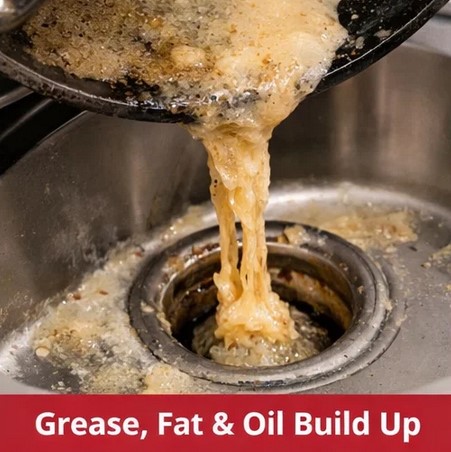
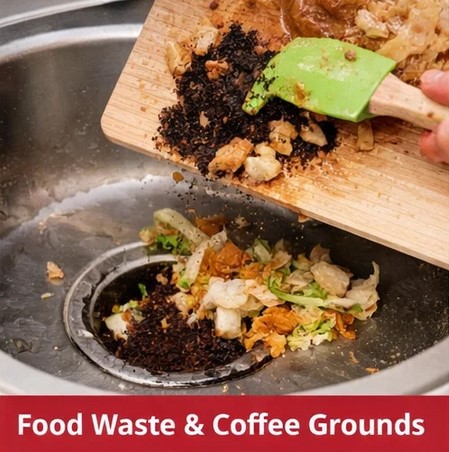
    • Avoid pouring grease, oil, or food scraps down the drain
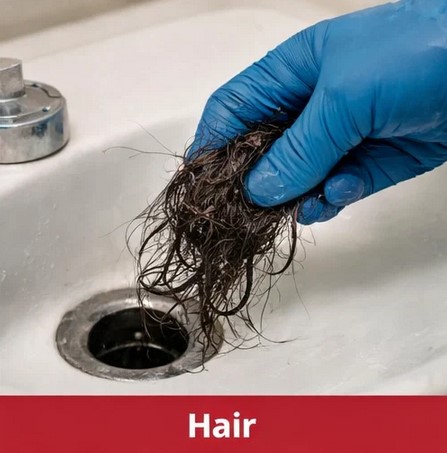
    • Use a hair catcher in showers and bathtubs to trap hair and debris
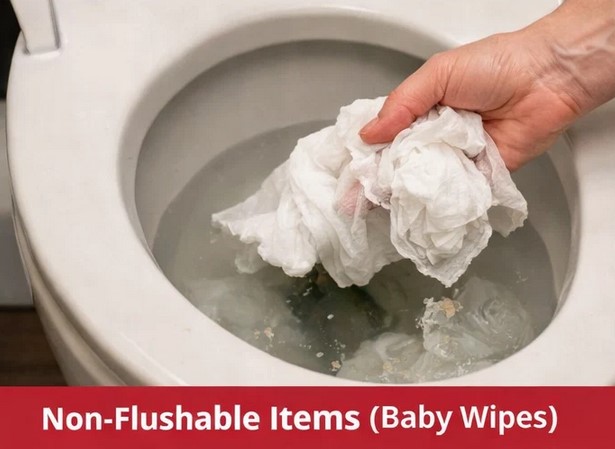
    • Properly dispose of non-biodegradable items like wet wipes
    • Regularly clean out sink strainers to prevent buildup
    • Schedule regular drain maintenance to catch potential issues early

    By following these guidelines, you can keep your drains clear and functioning properly.

    How often should I have my drains inspected?

    Drains should be inspected at least once a year as part of regular maintenance. If you notice any signs of a blockage, schedule an inspection immediately.

    Which service is best for drain cleaning?

    The best drain cleaning service depends on the severity and cause of the blockage. For general maintenance and minor blockages, rodding or jetting may suffice. For more stubborn clogs, a combination of rodding and jetting is recommended. A CCTV drain survey can also identify underlying issues causing frequent blockages.

    Can I use DIY methods to unblock my drain?

    While some DIY methods can clear minor blockages, it’s best to seek professional help for severe or persistent clogs. Attempting to unclog a drain yourself may cause further damage and end up costing more. However, for minor blockages, you can try:

    • Pouring boiling water down the drain
    • Using a plunger to dislodge the blockage
    • Creating a mixture of baking soda and vinegar, letting it sit for 15 minutes, then flushing with hot water

    If these methods don’t work, contact a professional for assistance.

    Conclusion

    The cost of unclogging drains varies based on the severity and complexity of the issue. Prices start from approximately £90 for straightforward manual unblocking to £275 for a complete CCTV drain assessment including a detailed report.

    Additional services such as high-pressure water jetting and drain relining are charged per service or per linear metre. Drain relining averages at £100 per linear metre.

    Regular drain maintenance and checks are recommended to prevent blockages, and while DIY methods can handle small clogs, experts are best for severe or persistent blockages to avoid further harm and costs.

    Get your London drains unblocked today!

    At BDS Drainage, we take pride in offering transparent, competitive pricing for all our drain unblocking and drain cleaning services.

    Contact BDS Drainage today for an accurate quote tailored to your specific needs, personalised advice from our experts, and solutions designed to keep your drains running smoothly.

  • What is a Sustainable Drainage System?

    What is a Sustainable Drainage System?

    In recent years, the term ‘Sustainable Drainage Systems’ (SuDS) has gained traction amongst homeowners, drainage specialists, and those with a keen interest in sustainable development.

    But what exactly are Sustainable Drainage Systems, and why are they becoming an essential part of modern infrastructure?

    This blog post aims to demystify SuDS, explore how they work, and discuss their importance in today’s environmentally conscious world. Additionally, we will suggest effective ways of making your garden drainage more sustainable.

    Definition of Sustainable Drainage Systems (SuDS)

    Sustainable Drainage Systems, or SuDS, are a collection of water management practices that aim to align modern drainage systems with natural water processes. The goal of SuDS is to minimise the impact of urbanisation on our natural water cycles, reduce water pollution, and manage flood risks effectively.

    In natural settings, rain lands on porous surfaces and seeps into the soil, a process known as infiltration.

    In contrast, urban areas with extensive building and paving limit natural infiltration. Here, drainage systems with pipes and culverts redirect surface water to nearby watercourses. Unfortunately, this setup has led to downstream flooding and a decline in river water quality. The issue arises when surface water overwhelms foul sewers, causing the discharge of contaminated water into rivers.

    How do SuDS Work?

    Unlike traditional drainage systems that rely on pipes and concrete to direct rainwater away from built-up areas quickly, SuDS aim to mimic natural processes by soaking up, storing, and slowly releasing water back into the environment.

    By emulating natural drainage patterns, SuDS seek to minimise surface water flooding, enhance water quality, and boost the environmental amenity and biodiversity. This is accomplished by decreasing flow rates, expanding water storage capacity, and lessening pollution transport to water bodies.

    SuDS work by intercepting rainwater at its source and managing it through a variety of techniques. These include permeable surfaces that allow water to seep through the ground, green roofs that absorb rainwater, rain gardens that temporarily store and filter water, and detention basins that hold water during heavy rainfall before slowly releasing it. This multi-faceted approach not only reduces pressure on conventional drainage systems but also enhances biodiversity and improves water quality by filtering out pollutants.

    Government measures being taken to create sustainable urban drainage systems

    In response to the pressing need for flood risk management and to address the adverse effects of urban runoff and sewer flooding, the UK Government has been proactive in advocating for the creation of sustainable urban drainage systems (SuDS). Recognizing the challenges posed by urban development, several measures and initiatives have been either proposed or implemented to facilitate the integration of SuDS into both new and existing developments.

    Firstly, the UK Government has been encouraging the use of retention ponds and infiltration basins in new urban developments. These features are designed to manage surface water runoff by temporarily holding water and allowing it to naturally infiltrate into the ground, respectively. This not only reduces the risk of sewer flooding by alleviating pressure on the sewage system but also mitigates flood risks by controlling the flow of stormwater into nearby watercourses.

    Additionally, planning policies have been revised to require the inclusion of SuDS in new developments wherever feasible. This policy shift aims to ensure that urban development projects contribute positively to the management of urban runoff and flood risks. The emphasis is on making SuDS an integral part of the urban landscape, contributing to the creation of greener, more sustainable communities.

    These efforts underscore the importance of integrating sustainable water management practices into the fabric of urban infrastructure, ensuring the long-term health and safety of the environment and its inhabitants.

    Whilst the Government works to design and implement sustainable urban drainage systems across the UK, there are measures you can take to encourage this effort in your own back garden and prevent flooding and contamination on a local level.

    How to create a sustainable drainage system in your garden

    With a sustainable drainage system operating in your back garden, you can manage surface water, recharge groundwater supplies and typically manage rainfall close to where it falls, rather than overburdening the drainage systems.

    Here are some changes and additions you can make to your garden to help aid the natural water cycle.

    Install permeable paving

    pavingInstead of traditional, impermeable materials like concrete or asphalt, consider using permeable paving in your garden. This type of surface allows rainwater to seep through into the ground, reducing runoff and enhancing the recharge of groundwater. Permeable paving can be used for paths, driveways, and patios, making it a versatile solution for sustainable drainage.

    Create a rain garden

    A rain garden is a shallow, planted depression designed to capture and filter runoff from roofs, driveways, and other hard surfaces. By planting native shrubs, perennials, and flowers, you not only beautify your garden but also create a natural filtration system that can absorb pollutants and allow for the slow release of water into the ground.

    Use rain barrels or water butts

    Capturing rainwater from downspouts in barrels or water butts is an effective way of managing stormwater at its source while providing a valuable resource for watering plants during dry periods. This simple action can significantly reduce the demand on municipal water supplies and prevent excess water from overwhelming drainage systems.

    Incorporate swales and contours

    Swales, shallow channels with gently sloped sides, can be integrated into the landscape design to direct runoff to areas where it can be absorbed, such as rain gardens or ponds. By using the natural contour of the land, swales not only manage water flow but also contribute to the aesthetic and biodiversity of the garden.

    Plant trees and increase greenery

    gardenTrees and vegetation play a crucial role in sustainable drainage. Their roots help to increase soil porosity, facilitating the infiltration of rainwater. Additionally, leaves intercept rainfall, reducing the volume of water that reaches the ground. Incorporating more green spaces into your garden can enhance its ability to absorb and manage water naturally.

    Utilise a soakaway system

    A soakaway system is a large hole or pit filled with stones, gravel, sand and soakaway crates that serves as an underground storage vessel for excess rainwater. This approach can be particularly useful in areas where space is limited, and traditional SuDS techniques are not feasible.

    Install catch basins and sump basins

    Catch basins are underground chambers that collect rainwater and store it until it can be gradually released into the ground or drainage system — when a groundwater recharge is needed. They also act as a filtering mechanism; they collect sediment and contaminants, thereby protecting your drainage system from clogging. Sump basins, on the other hand, act as a reservoir for excess groundwater and can help to prevent flooding by slowly releasing water back into the environment.

    Consult with a professional about effective surface water drainage systems

    bds drainageWhile there are many ways to create a sustainable drainage system in your garden, it is always best to consult with a professional before making any significant changes. A drainage engineer can assess the unique features of your garden and recommend the most effective solutions for managing stormwater.


    FAQs


    Q: Are SuDS more expensive than traditional drainage systems?

    A: While the upfront cost can in some cases be higher, SuDS offer long-term savings by reducing flood damage, improving water quality, and providing ecosystem services.

    Q: Can I implement SuDS in my existing property?

    A: Absolutely. Many SuDS techniques, such as rain gardens or permeable paving, can be retrofitted into existing properties to enhance drainage and contribute to sustainability.

    Q: Do SuDS require a lot of maintenance?

    A: SuDS are designed to be low maintenance. However, regular checks and occasional upkeep, such as clearing debris from permeable surfaces, ensuring vegetation health, and inspecting rainwater harvesting systems, are recommended to maintain efficiency and effectiveness.

    Q: Is planning permission required to install SuDS in my garden?

    A: In many cases, planning permission is not required for installing SuDS in residential gardens, especially for smaller installations like rain gardens or water butts. However, for more extensive systems or changes that could affect the local drainage patterns, it’s always advisable to check with your local planning authority.


    Conclusion

    Sustainable Drainage Systems represent a forward-thinking approach to water management, embodying the principles of sustainability and resilience in the face of climate change and urbanisation. By adopting SuDS, communities can protect their natural water cycles, mitigate flood risks, and contribute to a healthier, more sustainable environment.

    At BDS Drainage, we’re committed to providing innovative drainage solutions that align with sustainable practices. Explore sustainable drainage solutions for your home with our expert team—contact us today to find out how we can make your property safer, greener, and more sustainable.

  • What is a Rainwater Gully? How Do You Maintain It?

    What is a Rainwater Gully? How Do You Maintain It?

    When it comes to managing surface water in your home, you need to invest in a sound drainage system. Otherwise, you will have a problem dealing with flooding surface water.

    Gullies are some of the essential parts of the wastewater drainage system. It is a pipe that helps to discharge stormwater from your gardens to the main drainage pipe. The pipe can also be used to drain grey wastewater from guttering, dishwasher, sinks and washing machine.

    After when fitting rainwater gullies, the most important thing is maintenance. Whether it is surface water gully or wastewater gullies, it must be maintained to work efficiently. Otherwise, you will have a problem of a slow drain or completely blocked water gullies.


    Need help? Speak to an expert now:

    08081 689 112


    To Maintain blocked stormwater gullies is not tricky as some people think. In fact, you can unblock them by yourself. However, you need to have the right tools and tips on how to do it right.

    Here is everything you need to know about maintaining blocked water gullies.

    Tools Needed To Clean Rainwater Gullies

    One of the crucial things you need to have to clean your water gully is tools. Having the right tools will enable you to work as a professional and ensure your safety.

    You will need:

    • Garden brush
    • Rubber gloves
    • Protective glasses
    • Hosepipe
    • Flathead Screwdriver
    • Trowel
    • Bucket
    • Hot water

    Preparing Yourself To Clean A Rainwater Gully

    Once you put together all the tools that you need, the next thing is preparing for the job. First, you need to have your eyes and hands protected from bacteria and all kinds of muck. So start by wearing protective glasses and gloves. You must also ensure that no one is using the bathroom or equipment that drains wastewater into the gully. Then, locate your gully trap. It is a lid that traps debris and also keeps rodents away. You should also clear the area around the gully to remove any water obstructions.

    Removing a Gully Cover

    Gully Cover

    With the trap cleaned and the area around the gully cleared, now you need to remove the gully drain cover or the lid. It is pretty simple since all you need is a screwdriver to prise it open. Sometimes, it could be just a handle(s) on the cast gully grid. So, you will only need to lift to remove it. The lid removal should give you access to the inside of the water gully.


    How to avoid fatbergs in drains?

    Check: What is Fatberg?


    Check inside the Gully

    The removal of the gully cover gives access to the inside of the gully. So, you can now check inside the gully for any blockages. One thing that you are sure to get silt that has built up since the last time you cleaned the gully.

    So use a trowel to remove any visible blockages in the pipe. You can also use your hands to clear the blockages. After you gave cleared the clogs in the gully, water should start flowing smoothly. Open taps or pour in the gully to see there is slow water drainage. If water is flowing smoothly, the cleaning job is successful. But if there is a slow drain, you have got to a few more steps to take.

    Using a Drain Rod to Clean a Gully

    Drain rods can do more than what a trowel or the hand can do. The travel a long distance in the gully and remove tough blockages. These rods are usually a meter long, and you can screw a number of them together if you the clog in far inside the pipe.

    Plumber Fixing Problem

    When inserted in the water gullies, they will clear any blockages they come across.

    Once you encounter a blockage, prod it with the rod to break it down into smaller pieces. The idea is to have the clog broken down into small pieces that can flush down the drain. However, you must keep in mind that rotating the clog anticlockwise could unscrew the pipe.

    Flush Gully with a Hose

    With the clog seemingly broken into manageable pieces that can flush down the drain, you can start flushing water. Direct your garden hose pipe into the gully and allow it to flush the pipe to clear the blockages. You should also sweep off the debris around the water gully so that they do not fall into the pipe. After gully hosing for a few minutes, the blockages should be drained.

    Flush Gully with Hot Water

    Boiling Water

    Image source

    Gully hosing may not clear all the blockages in the pipe because of grey wastewater. Some of the clogs with grease matter needs hot water to dislodge.

    When you flush hot water, it melts the grease clogs hence dislodging them off the pipe. So, fill a bucket with hot water and pour it into the gully carefully. You can also add some bleach to help dislodge stubborn blockages.

    Test the Gully before Resealing

    Before you seal the water gully, test it again for the slow drain. Running the tabs for a few minutes will tell whether the gully is free of clogs or not. If you can still see water draining slowly, you use the rod again and repeat the whole process. But if you everything is okay and satisfied that the pipe is clean, replace the gully trap and screw it.


    Also, Read – How to Unblock a Drain?


    Blocked Gully Prevention Tips

    Once the gully cleaned, the next should be preventing the clogging from happening again. There are many things you can to keep you water gully free from any blockages.

    Here are prevention steps you should take:

    • Always clean areas around the gully before the rains start
    • Regular inspection of your gully
    • Avoid flushing too much toilet paper
    • Use natural solutions to treat your gully
    • Pour boiling water down the drain at least once a month
    • Avoid draining coffee grounds

    Summary

    Water gullies are an essential part of our wastewater management system. They prevent flooding in our homes by collection surface and gutter water. They can also help to drain grey wastewater. That’s why its proper functioning is crucial for any homeowner. Proper maintenance is vital before the rains start and if you notice signs of a slow drain. With these maintenance tips, you will be able to remove all blockages by yourself. But the blockage appears stubborn, call a qualified and professional plumbing service provider to fix it.


    rainwater gully infographic

  • What is a Fatberg? Why is it Ruining Our Drains?

    What is a Fatberg? Why is it Ruining Our Drains?

    Icebergs are dangerous freshwater chunks that everyone is familiar with, because of how one of such pieces caused the titanic wreck. The new dangerous mass, just like an iceberg that many are not aware of are fatbergs.

    With many drainage firms and utility companies spotting them in sewers, fatbergs are posing problems for marine life and our drainage systems.

    This post focuses on what fatbergs are, why they cause ruins in our drains, and what can be done to prevent or remove them.

    What is a fatberg?

    A fatberg is a coagulated mass of congealed grease and non-biodegradable matter found in sewers and drains. Fatbergs are also known to be formed from flushed household items, such as wet wipes, cotton buds, condoms and sanitary pads. The resulting fat and debris mass can be very strong (almost like concrete) and may require special equipment to remove them from sewers and drains.

    Rough sewer surfaces with turbulent fluid flow are the ideal sites where fatbergs form. Apart from the blockage that these coagulated masses can cause, they can also react with the linings of pipes and convert oil to a soap-like substance. A fatberg is one sewer mass to get rid of quickly.

    How large can a fatberg get?

    Depending on how long they have been allowed to accumulate fat and used items, fatbergs can weigh as much as 12 double-decker buses stacked on each other.

    One of the biggest fatbergs in history was discovered in a London sewer and was ten times the size of the Kingston fatberg of 2013. The Whitechapel Fatberg, as it is popularly called, was measured to be 130 tonnes, and 250-metre-long (about the size of two football pitches). It took a little over three weeks to completely remove it from the drain, with eight workers pulling out 20 to 30 tonnes daily.

    This fatberg is so popular that two pieces from it were on display in the Museum of London. A live camera also streamed the disintegration of the two Whitechapel Fatberg pieces from February to June 2018.

    How to avoid fatbergs in drains?

    The consequences of fatbergs are severe. Therefore, you must understand how to avoid these coagulated fat masses than to deal with them after they have caused damage.

    Firstly, sewers and drains are only built to take three things; faeces, urine and toilet paper.

    There are four things never to pour down a drain if you want to prevent fatbergs;

    1. Cooking oil

    cooking-oil

    Oil and grease are the most common components of fatbergs that cause blocked drains and sewers. Cooking oil should never be thrown down the drain for whatsoever reason. Instead, oil and grease should be appropriately disposed of. Even when in liquid form, they can still cause serious harm.

    The most efficient way to prevent grease and fat from going down your drain is to install a trap that will prevent FOG (fat, oil and grease).
    If you do not intend to reuse your oil or grease, then follow these steps in disposing of it.

    • Let the oil or grease cool. When hot, oil can melt anything it touches, so be careful with it.
    • Scrape the grease into a plastic container. Use a spatula to make the job easier.
    • Place the container in a bag before throwing it in the trash.
    • Wipe all cutleries and utensils with a paper towel.

    2. Paper towels and wet wipes

    paper-towels

    The easiest way to get your drain or sewer blocked is to put wet wipes or paper towels in it. With the scare of these items attaching to oil and grease, they have absolutely no place in a sewer.

    Wet wipes are said to be flushable, but this may not always be the case. It is recommended that you dispose of your wipes in the waste bin instead.

    3. Starchy foods

    Starchy-foods

    Another thing that should not be thrown in a drain is any starchy food like potatoes, rice and spaghetti. Fatbergs usually contain non-biodegradable materials and starchy food can act as the connecting link to hold them together.

    4. Eggshells and coffee grounds

    Eggshells

    These materials that do not break down can cause a significant scare in sewers and drains. Always put coffee grounds and eggshells in your waste bins.

    Some Notable Fatbergs and the Damage they have caused

    Apart from the Whitechapel Fatberg that cost over £1 million each month to destroy, there have also been some notable fatbergs around the world. Some of them include;

    1. The Fatberg in Kingston Upon Thames, London

    On the 6th of August, 2013, a 15-tonne fatberg was discovered in southwest London. It consisted primarily of wet wipes and food fat and made many toilets in the area difficult to flush. It took almost six weeks to repair the sewage as it had been severely damaged.

    2. The Fatberg in Shepherd’s Bush, London

    This coagulated fat mass was discovered on the 1st of September, 2014 beneath a section of the road in Shepherd’s Bush, London. It was formed from wet wipes, waste fat, and unusual materials like wood planks and tennis balls. When measured, the Shepherd’s Bush Fatberg was about the same size as Boeing 747, a popular aircraft.

    3. The Fatberg in Melbourne, Australia

    Fatbergs can occur anywhere in the world. The drainage system in Melbourne Australia was blocked by a large mass of grease, fat and waste. It was discovered on the 3rd of September, 2014 and cost thousands of pounds to remove from the drain.

    4. The Fatberg in Baltimore, Maryland

    Under the streets of Baltimore in Maryland, a fatberg formed from wet wipes, waste and fat was discovered in September 2017. This particular fatberg caused a 1.0 imperial gallon spillage of sewage in the Jones Falls.


    Also Read – How to Unblock a Drain?


    5. In January 2016, a fatberg was found near New South Wales in Australia

    It damaged the sewage pump system in the area and blocked several toilets. When weighed, the fatberg was 1.1 tonnes. It took well over four hours to remove the massive fat mass by crane.

    6. A fatberg was found in Welshpool in mid-July, 2015

    It was said to be 120-metres long and quite difficult to breakdown or extract. The cost of removing the coagulated mass and repairing the sewer was estimated to be north of £500,000.

    7. The Fatberg in Sidmouth, Devon

    The largest fatberg to be discovered outside a major city in the UK was found in Sidmouth, Devon. When measured, it was 64 metres long and took workers two months to remove. The discovery was made in December 2018.

    8. The Fatberg in Birchall Street, Liverpool

    The largest fatberg in the UK was found in February 2019 at Birchall Street, Liverpool. It weighed over 400 tonnes and required special tools to break down.

    How to rid-off fatbergs?

    If you cannot stop fats, grease and oil from going down your drain, then measures have to be taken to remove them when they eventually form fatbergs. The steps involved in this process include;

    1. Breaking down the fatberg

    If the fatberg in your drain or sewer is anything like those recently found in the UK, they will need to be broken down into smaller pieces first. Combination tankers that can deliver up to 4,000 psi of jetting pressures are used to breakdown the fat before any other action is taken.

    Breaking down a fatberg makes it easier and safer to effectively and efficiently remove the entire fatberg from your drain.

    2. Extraction of the liquid waste in the fatberg pieces

    The liquid waste in the fatberg pieces are then extracted using a combination tanker. Manual excavations may also be employed to ensure that the job is completed effectively.

    3. Disposal of the waste

    It is an entire waste of time if the waste is transferred to another place where they can reform. Therefore, it is essential that fatbergs are safely disposed of. Since they may contain impurities and harsh toxins, liquid waste from fatbergs should also be locally exported to waste depots.

    4. Recycling

    Not every fatberg component should be disposed of. In fact, most fatbergs are a good source of fuel. Liquid fat can be gotten from a melted sludge, and the debris contained in this congealed mass can be separated from the oil. After separation, the oil can be reprocessed and combined with other chemicals to form biodiesel or biogas.

    A significant portion of the Whitechapel Fatberg was converted into this sustainable source of fuel.

    5. After-care service

    At this point, the work is completed. However, after-care services need to be administered to prevent the reformation of fatbergs. A CCTV survey is the standard service employed to check the sewer for traces of oil, grease, fat, wet wipes or other household items.

    In conclusion

    Fatbergs are becoming growing concerns for communities in the UK, and especially in London. The size of these congealed mass of fat and non-biodegradable matter seems to be increasing with every discovery.

    To prevent exuberant costs from repairing a damaged sewer and removing fatbergs, it is essential that you know how what they are and what causes them.


    Fatberg

  • How to Dispose of Grease and Cooking Oil

    How to Dispose of Grease and Cooking Oil

    Incorrect disposal of oil and grease can cause clogged sewers and drainages in your house. In severe situations, your manhole may backup, and then oil can get dumped in your home.

    Intense and costly clean-ups are usually the solution for this easy-to-avoid problem.

    In this article, we would be discussing the proper way to dispose of grease and oil after use.

    Steps to Take When Disposing of Oil or Grease

    • The proper way to dispose of grease is quite simple; throw it in the bin. However, you should not just throw it directly in your drain while it is still hot. The steps involved are;
    • Let the oil cool and solidify: Hot oil can melt not only your trash can but the disposal cup it is placed in! Allow it to cool for several minutes before you throw it away.
    • Scrape the grease into a container: Even when cool, you wouldn’t want grease or oil to mess up your trash can, making it difficult to empty. Scrape the oil with a spatula, and put it in a disposal cup or any other container.
    • Carefully place the container in a plastic bag before throwing it away: Using a plastic bag prevents leakages from the container. The sides could still have some leftover oil, so give the container a good wipe before placing in the plastic bag.
    • Wipe down all the cutleries and cooking utensils: Small amount of leftover grease from utensils are dangerous to your plumbing system. It would build up over time and can clog your drainage. Use a paper towel to wipe these utensils before washing them.

    Need help? Speak to an expert now:

    08081 689 112


    What if Grease Goes Down the Drain?

    If you’ve taken all the precautions to prevent grease and oil from going down the drain, then you should not have much to worry about. However, mistakes happen, and your friends or relatives could be the ones throwing oil down the drain.

    In such situations, you must take corrective measures immediately. The best way to go is to ring your plumber or drainage expert and tell them of the problem.

    How to Reuse Grease and Oil?

    Not all used oil or grease should be thrown away. As long as it has been appropriately used and not heated to the smoke point, you can reuse it.

    1. Firstly, sieve the semi-warm oil with paper towels or other filters. This is done to remove the particles that may still be in it.
    2. Next, store the grease or oil in an air-tight container. Storing oil or grease in a fridge or freezer solidifies it till it becomes fat.
    3. Test the solidified oil or grease to make sure that it is not rancid.

    Final Words

    So, these are the steps to take when disposing of oil in your home. You should follow them to prevent blocked drainage, sink, or sewage system. Whether you are using oil for cooking or you have just spilled grease on the ground, be smart and dispose of it properly in the trash can.


    Read more:


    How-to-Dispose-of-Grease-and-Cooking-Oil

  • The 10 Best Drain Cleaners 2021

    The 10 Best Drain Cleaners 2021

    Drains can get clogged with different things after a while. Then they move slowly, which can be frustrating. Most times, you plunge, and still, the flow is not restored. Often the next step is to call a plumber, which is more costly and time-consuming. However, you can resolve these blockage issues by using one of the best drain cleaners around. To ease your search, we have compiled this article detailing the top ten drain cleaners you can use to restore flow to your drains.

    What Is A Drain Cleaner?

    Drain cleaners are solutions for cleaning and clearing blockages in drains. Although drain cleaners have the same constituents (either chemicals or enzymes) they have different effects and modes of action. Some are effective as shower drain cleaners while some are more suitable for industrial areas. Due to this fact, you must select the best drain cleaner that suits your need.


    Need help? Speak to an expert now:

    08081 689 112


    Top Ten Drain Cleaners To Consider

    1. Pure Lye Drain Opener

    Pure Lye Drain Opener

    Pure Lye Drain Opener is one of the best drain unblockers that are neither acidic nor odourless. This drain cleaner is a biodegradable natural drain cleaner that is safe on both users and pipelines. It is useful for industrial drains and effective against septic tanks, slow-moving and clogged pipes. The concentrate does not stink. Therefore, it is suitable for residential areas, schools and commercial buildings.

    Pros of Pure Lye

    i. Friendly and safe to use.

    ii. Odourless and can be used for all drain types.

    Cons

    i. Could cause skin irritation if not used as directed.

    2. Thrift T-600 Alkaline Drain Cleaner

    Thrift T-600 Alkaline Drain Cleaner

    The Thrift T-600’s solution will melt anything in its path, including hair, grease or oil in less than a minute. Thrift T-600 contains a non-acidic component which is sodium hydroxide. They have unique effects on fats and oils. Therefore, it can be used as a shower drain cleaner or in the kitchen. The sodium hydroxide contained in the cleaner would not destroy the pipeline construction. As a result, consider Thrift T-600 an effective natural drain cleaner that is not toxic to your pipelines.

    Pros of the Thrift T-600

    i. A fast drain cleaner effective in less than a minute.

    ii. It has a pleasant odour.

    iii. It does not destroy pipelines.

    Cons

    i. It is not suitable for places with stagnant water such as toilet bowls.

    Using The Thrift T-600

    When using the Thrift T-600, ensure that you protect your eyes and hands. The following steps would ensure you use the drain cleaner correctly. Also, ensure you read the label before use and follow the instructions.

    • Thrift T-600 crystals get activated by hot water, so boil enough water and slowly pour down the drain.
    • Then introduce a cup of Thrift T-600 down the drain.
    • Finally, allow the drain cleaner solution and hot water to act on the clog for 60 seconds.
    • Repeat the process if necessary.

    3. Drano Max Drain Gel

    The Drano Max Gel is ideal for all drain types and pipes. Also, it is suitable as an industrial drain cleaner as well as for residential use. Drano Max contains active cleaning ingredients including sodium silicate, sodium hydroxide, surfactant and blend. These components together will liquefy the clog in no time making the Drano Max a fast attack drain cleaner. In 15 minutes, the Drano Max Gel will dissolve all blockages.

    Pros

    i. User-friendly and safe.

    ii. Safe for the pipelines.

    iii. Effective against total blockages.

    Cons

    i. Not suitable for toilets.

    Using The Drano Max Gel

    Before applying the gel, remove light particles from the filter. Leave the gel on the drain for 15-30 minutes before flushing with hot water. You can use your plunger after this process to check if the pipe is moving or not.

    4. Green Gobbler GGDIS2CH32 Drain Dissolve

    Green Gobbler GGDIS2CH32

    The Green Gobbler Dissolve is an enzymatic cleaner. It is highly effective against grease and hair clogs. Consequently, it is suitable for shower drains and kitchen drains. An added advantage of the Green Gobbler is its ability to sink to the bottom of standing water to liquefy clogs.

    Pros of using the Green Gobbler

    i. Can penetrate standing water.

    ii. Non-toxic drain cleaner.

    iii. Environment-friendly.

    Cons

    i. Not ideal for drains with total blockages.

    Using The Green Gobbler

    The Green Gobbler product comes with two different chambers. Most times, one is enough to get the job done. For maximum effect, pour a full one of the Green Gobbler chambers into the drain and leave it for two hours or more.

    5. Green Pig Solutions 52 Septic and Drain Treatment

    Green Pig Solutions 52 Septic and Drain Treatment

    One of the best drain unblockers on the market is the Green Pig concentrate. The solution contains bacteria that degrade the organic matter or other components in the clog. Also, it is a fast attack drain cleaner and clears clogs in 15-30minutes. It is a drain cleaner acid suitable for toilets, septic tanks and drain fields. The Green Pig Solution is pre-packed into four packets for easy use.

    Pros of the Green Pig Solution

    i. It is user-friendly.

    ii. A budget-friendly drain acid cleaner.

    iii. The drain cleaner is not toxic and highly effective.

    Cons

    i. It is not bio-based.

    6. Bio-Clean Drain Septic Bacteria

    Bio-Clean Drain Septic Bacteria

    The Bio-clean Drain Septic Bacteria is a natural drain cleaner with enzymes and bacteria. Also, it does not contain acid. It is a highly effective shower drain unblocker, and you only need a little of the Bio-clean to unclog your drain. Asides showers, kitchen sinks and tubs, bio-clean is also suitable for use as an industrial drain cleaner. To see better results, you need to leave the solution for 6-8 hours.

    Pros of the Bio-clean Drain

    i. User and environment-friendly.

    ii. It does not generate fumes or bad odours.

    Cons

    i. It requires more than one treatment.

    ii. Not a fast attack drain cleaner.

    7. Rid-X Septic Treatment

    Rid-X Septic Treatment

    Rid -X is also one of the best drain cleaners in the UK. Like the Bio-clean drain, it contains enzymes that target clog materials. The proteins in the concentrate include lipase, amylase and cellulase. These enzymes are not harmful. As a result, they do not degrade pipelines and are ozone-friendly. The enzymes mainly digest food particles. Therefore, they are suitable for kitchen drains. Also, they can be useful for septic tanks.

    Pros Of Using Rid-X

    i. Relatively safe to use.

    ii. Not harmful to the skin.

    iii. Highly effective.

    Cons

    i. Effective against only partial blockages.

    8. Xion Lab Drain Cleaner

    Xion Lab Drain Cleaner

    Xion Lab Drain Cleaner is a highly effective and fast action drain cleaner. This liquid drain cleaner clears oils, grease and hair particles. Due to this, it is one of the best shower drain unblockers. The drain acid is denser than water, so it penetrates deep into the clog. Additionally, it is made of biodegradable components and highly recommended as a residential and industrial drain cleaner.

    Pros Of Xion Lab

    i. User-friendly.

    ii. It is fast-acting.

    iii. Not toxic and non-inflammable.

    iv. Very effective.

    Cons

    i. Could be ineffective on stubborn blockages.

    9. Roebic K-97-Q-4 Mainline Cleaner

    Roebic K-97-Q-4 Mainline Cleaner

    Roebic K-97 is a powerful drain cleaner acid used for stubborn blockages. It is highly effective against clogs in toilets, septic tanks and sewage systems. The Mainline cleaner would correct the slow flow in your drainage system. It digests fats and grease in the main lines.
    Pros of Roebic K-97

    i. User-friendly product.

    ii. Effective for septic tanks.

    Cons

    i. Might have a long-acting time.

    10. CLR PP4-5 Power Plumber Drain Opener

    CLR PP4-5 Power Plumber Drain Opener

    The CLR PP4-5 power plumber is also one of the cleaner acids with a fast-acting nature. The drainer opens a clog in less than a minute. Also, it is suitable for pipelines with long distances. Also, the power plumber can be used for up to 15 times before exhausting the can. The components in the power plumber are non-corrosive and non-abrasive. As a result, they are ideal for bathtubs, kitchen sinks, and even toilets.

    Choosing A Drain Cleaner: Things To Consider

    When selecting your drain cleaner, you should not just pick one randomly. You could choose from one of these ten best drain unblockers. However, you still have to keep certain things in mind:

    • Types Of Blockage: This is the reason for the clog. You could identify this by the location of the drain. Kitchen drains mostly get clogged by grease and oils while shower drainage is mostly by hair and dirt. Ensure to get the best drain cleaner suitable for the blockage.
    • Type Of Pipe: Chemicals easily destroy some pipes. Keep in mind that some drain acids damage pipelines. Select one based on the kind of pipes you have.
    • Cost Of Cleaners: Purchasing costly drain cleaner acids does not translate to increased effectiveness. Also, it doesn’t mean the product is not efficient when cheap. Select a drain cleaner based on the blockages, pipelines and the cost you can afford.
    • Types Of Drain Cleaners: The kind of drain cleaner you would select should depend on the kind of clogs you have. They come in various forms – powders, gels, liquid. Mostly, the liquid and gel drain cleaners are more effective against partially blocked and thick clogs. In contrast, powder forms work for total blockages. Also, the powders are not as effective as a fast attack drain cleaner.

    In Conclusion

    Drain cleaners are the best solution to your clogging problems; they are highly effective when you choose the right ones, some of which have been listed above. However, safety precautions are essential when dealing with drain acids. Hence, read instructions to know the type of chemicals or enzymes in the drain cleaners.


    best drain cleaners

  • What To Do If Washing Machine Smells Like Sewage?

    What To Do If Washing Machine Smells Like Sewage?

    [vc_row][vc_column][vc_column_text]If you have noticed foul, sewer smell from your washing machine or a general foul smell from your laundry room, don’t fret. This article is for you. In this article, you will learn how to discern, combat and prevent your washing machine smelling like sewage and the foul rotten egg-like smell emanating from your laundry room. Dive in!

    Surprisingly, this is a prevalent problem among washing machine users, so you shouldn’t be too concerned. Most modern washing machines simply require self-cleaning. Everyone can do it. Every person should be able to. Often, the smell is as a result of the culmination of past used detergent-infused water. Following a couple of simple steps should get rid of or at the very least reduce any such offensive smell. These steps, of course, are included in this article.


    Need help? Speak to an expert now:

    08081 689 112


    What Do I Do When I Notice A Smell?

    The first thing to do when you notice an offensive odour is to try to discern where the odour is coming from. Usually, the smell may be coming from the pipes laid into the wall to trash the used water. You need to find out first. Finding the source of the smell is the key to getting rid of it. So, what you should do is to take small, measured breaths and try to single out the smell with your nose. Only when you have found the source can you then go ahead with the next steps.

    It is important to note, however, that offensive smells may be coming from different parts of the laundry room and even different sections of the building. A single room or section should not be ruled out. The rotten egg smell could be coming from your kitchen or trash can close to the building. You should know that because something smells does not necessarily mean it’s coming from your laundry room.

    What’s Making My Washing Machine Smell?

    There are several possible reasons why your washing machine smells. The most common reason is poor maintenance. Yes, this may surprise you, but many washing machine users have no idea how to maintain their machines. Simple maintenance steps should be taken periodically to guarantee the efficiency of the machine. Simply because your machine cleans things does not mean it does not need to be cleaned – or at least looked after. Your washing machine needs as much attention as any other gadget or machine!

    washing machine smell

    Another possible reason why your washing machine may be smelling is if some parts of it develop a fault. Like all electrical gadgets, washing machines are prone to damage and faults. A mechanical part of it may develop some random fault which may cause the smell. What you need to do, then, is to employ the services of professionals in the field who will inspect the machine for you and ascertain what the problem is. Although a washing machine does simple things, it is a complex barrage of circuits and wires so do not attempt to ‘repair’ it yourself if you do not have the necessary skills and knowledge involved.

    New washing machines have hoses and drains that let out used water in them. When those drains are clogged, some smells may be emanating because of the residue inside the drains. That, naturally, will cause such smell. There are many things that one can do to prevent such smell. Steps to take to get rid of the smell will be explained in the course of this article.

    Another reason could be the installation of the washing machine. Many washing machines are installed incorrectly. And though they may work in the meantime, such washing machines run high risks of developing faults which can then lead to the foul smell. This is why installing a washing machine on one’s own is not entirely advised. Faults may occur as a result of such installation. Some professionals deal with washing machine installation and repair. The services of such professionals should be procured to avoid any disasters.

    Can I Avoid The Foul Smell?

    Yes, you can! You can avoid any offensive smells coming from your washer. However, if such a smell does occur, it is important to know that it is actually very common among washing machine users, so there is nothing to worry about. Several washing machine users encounter the same problems daily, and it does not necessarily mean that you do not know how to take care of your laundry room. It may be because of some reasons highlighted in the above paragraph. The smell can be avoided except if your machine is at the end of its lifeline and repairing and replacing its parts no longer suffices.

    How Do I Combat The Foul Smell?

    Combating the smell requires following a list of steps. In less serious cases, one can even find the source of the problem and find a way to fix it by oneself! However, in more serious cases, procuring the services of professionals in the field is a smarter and better move. Some of the steps that can be taken will be highlighted in the following paragraphs.

    • Periodic Cleaning and Maintenance

    This works like magic. Sometimes, the only thing you need to do is to clean up your washing machine. Your front loader will smell like sewage if you do not take appropriate care of your machine. Clean it as often as you can. To get rid of smells from the front loader, you can make use of vinegar and soda to deodorise it. While cleaning, however, you should remember that bleach should never go in the front loader. Don’t bleach it. That will only make it worse. The cleaning should only be done with detergent. Make sure to get to every nook and crannies. Everyone can do this. One only needs to roll up one’s sleeves.

    • Unclogging Clogged Drains

    Unclogging clogged drains are more important than you think. Ventilation pipes could be clogged and redirect sewage water into your home. You’ll have to be ready to get dirty for this, however. You need to check personally all the pipes connecting to the washing machine and the pipes that are connected in your home. Usually, the problems may be coming from there. Plastic, nylon-made materials, polythene may be stuck in the pipes. By removing those foreign materials that may hinder the appropriate process of the vents pipes, you will not only be ridding your home of foul sewage smell; you’ll also be avoiding possible future calamities.

    • Checking For Faulty Parts

    Because the washing machine is mechanical, it is prone to damage and faults. Those faults may be, directly or indirectly, the source of the foul smells. A careful examination for faulty parts may sometimes expose the source of the problem. Do not attempt to repair the faults if the fault is electrical, if you do find a faulty part. Leave that to the professionals. Check carefully without touching any exposed electrical parts. If an unexposed wire or a pipe is out of place, you can correct it by putting it correctly. Sometimes, that is the only thing that makes the whole difference. In more complex cases, some parts may have stopped working and need to be replaced. Only then should you procure the services of professionals who can fix and replace said parts.

    • Call A Professional

    Many of the reasons why a washing machine may be smelly are problems that can be solved by almost everyone. However, some problems are more technical than the average washing machine user can handle. Those sort of problems then require the attention of a professional. Someone who is an expert on washing machine use and repair. It is important to note that for complex cases like the issue of pipes and vents, you’ll need to call someone that can adequately and with the right equipment, make the proper changes to ensure that the smell dissipates.


    Call: 020 3675 7 174


    Do not try to fix issues that you do not know anything about. Doing that will not only worsen the situation. If you’re not careful, it may also even cause another new problem entirely. There are many of such professional services out there, but the pick of the bunch is BDS Drainage. Just put in a call to us today, and you’ll find that we have all the answers you seek.

    Last Word

    There are many reasons why washing machines and laundry rooms may smell like sewage or have a rotten-egg smell emanating from them. These problems are very common. There is absolutely no need for unnecessary stress and worry. Simply following the steps in this article will help you understand the source of the problem and even get rid of the smell. It is pertinent to remember that you cannot do everything by yourself. The self-tips in this article are self-explanatory but working on some of them may prove difficult for you if you don’t have the proper skills and knowledge of plumbing required. If you’re in such shoes, contact a professional today!


    washing machine smells like sewage[/vc_column_text][/vc_column][/vc_row]

  • What Is Drain Relining?

    What Is Drain Relining?

    [vc_row][vc_column][vc_column_text]As drainage related problems go, damaged drain pipes rank among the most bothersome of the lot. Apart from the fact that they are notoriously tricky to detect at the outset, leaky drain pipes also damage the environment by polluting the soil.

    In the past, the only way to fix damaged drain pipes was the long and expensive process of excavation and replacement. This was a notoriously difficult process as more often than not, the damaged pipes were usually buried metres under the ground. Sometimes buried under infrastructure like roads, driveways or retaining walls.

    Today, however, thanks to modern technology, drainage pipes can be fixed via the relatively easier and cheaper method known as drain relining.

    What Is Drain Relining?

    Drain relining is a method of repairing damaged drainage pipes by fixing a new pipe called a lining, into an existing damaged pipe without resorting to the traditional method of excavation. It is a form of No-Dig repair Technology which utilises a form of drain sleeve similar to glass reinforced plastic.

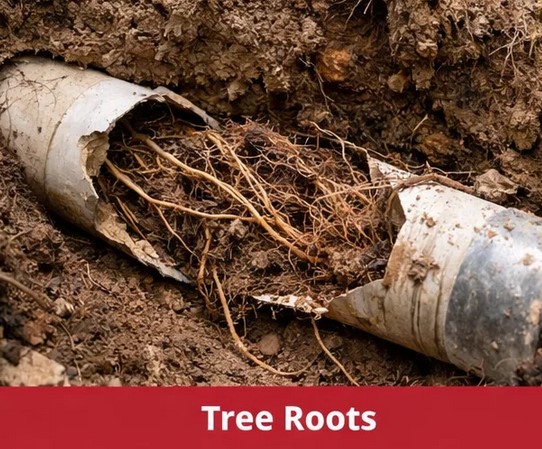
    Drain relining can be used to fix open or leaking joints and circumferential or radial cracks caused by blockages. It is also very effective in combating root intrusion which old clay drainage pipes are most susceptible to.

    Closely related to relining, is a process known as a drain patch repair. Here, unlike relining where the pre-shaped pipelining is used, the main material is a drain patch. The patch is spread out and filled with epoxy resin and wrapped around a tool known as a pipe packer. The packer is then slowly and carefully inserted into the waste drain to the point of the defect and inflated. It is left for an hour before it is finally removed.

    Drain patches are particularly effective where only a small section of the pipe is damaged as there is no need for a full relining.

    Process Of Drain Relining

    • Inspection

    The process of drain lining begins with the inspection of drainage pipes. Unlike the old method of drain replacement which involves excavation of pipes, the drain relining process makes use of CCTV survey technology. This inspection determines the location and extent of any damage to the pipes.

    • Clearing Of Debris

    After the inspection, the pipes are cleaned to prevent any obstruction during the relining. The intrusions (tree roots for example) are removed using a robotic cutter which can cut through even steel and concrete. After this, a high-pressure water jetter is used to clear the pipe of any debris. This ensures a good bond on the pipe wall.

    • Re-inspection

    Before the new drain liner is fixed, the pipes are inspected once again to ensure all possible intrusions have been removed.

    • Preparing The Lining

    The method of relining as well as the exact amount and type of pipelining needed is decided at this stage. This is because different types of liners are used in different situations. More flexible liners, for instance, are used in cases where the pipes are curved as manoeuvrability is required.

    • The Installation

    The installation process can be done in two ways. The first is by a process known as inversion. Here, a resin is poured into the drain liner and repeatedly rolled to ensure it is evenly distributed on its body. It is then inserted into the damaged pipe by using inflated airbags to shape the lining to the pipe walls or by using water pressure.

    It could also be installed via GFRP UV pipelining. Here, the pipelining is pulled into the damaged pipe by using cables and winches.

    Both methods ensure the lining is perfectly fitted to the surface of the pipe. This guarantees effective drainage.

    • Curing

    After installation, comes the curing process. This involves the hardening of the resin to ensure the lining stays in place. When installing via inversion, it can be left to cure by itself, or sped up by running hot water through the pipe. GFRP UV pipes, on the other hand, require UV lighting to cure the lining to full hardness.

    • Final Re-inspection

    After the damaged section of the drainage pipe has been fixed, one final inspection is carried out to ensure the pipe is as good as new. This involves visual inspections with CCTV surveys and checks for leaks with leak detection equipment.

    Advantages Of Drain Relining

    Drain relining boasts many unique advantages over the old method of excavation and replacement. They are.

    • Greatly Reduced Drain Repair Costs

    As pipe relining does not require excavations, there is no need for heavy excavation equipment. This reduces the expenses on equipment and labour, thereby making it cheaper than traditional replacement methods. Also, the absence of infrastructural replacement expenses on roads, driveways and retaining walls contributes greatly to the low cost of pipe relining.

    • Minimal Disruption Of Activities

    As pipelining requires few machines and no excavation, it can be done without lengthy disruption of daily activities. In fact, it can be done around business trading or shift times. This leads to minimal downtime.

    • Speed Of Repairs

    The second major advantage of pipe relining is the speed in which damaged pipes are repaired. Larger jobs which would normally take weeks are completed in days. And smaller jobs which would normally span days are completed within hours instead.

    This is especially useful in cases of emergency repairs of sewer or stormwater drains.

    • Good Flow Rate

    The lining used in the process aids water flow as it is designed with a low friction surface.

    • Sealing of all open joints and cracks and thus prevention of future leaks

    The inspection process via CCTV survey locates all possible cracks within the pipe that may have been otherwise missed. Thus, even areas where no leaks are observed are attended to.

    • Permanent Structural Repairs

    Drain relining ensures permanent structural integrity as the pipelining usually has a durability of over 50 years. This is most beneficial to clay drain pipes.

    • Prevention Of Tree Root Infestation

    • Ability To Negotiate Bends And Offset Joints

    The flexibility of some types of lining allows it to negotiate bends easily.

    • Availability Of Lining In Different Diameters

    Pipes of all sizes can be fitted with lining from as small as 50mm in diameter to over a metre.

    • Availability Of Lining In Different Lengths

    The nature of the environment or accessibility of drains is not an issue in drain relining. This is because relining can be done using one long lining or several smaller overlapping sheets. It is noteworthy that a single lining can reach lengths of over 500 metres.

    Drain Relining Cost

    As has already been said, drain relining is remarkably cheaper than excavation and replacement. The prices, however, vary according to the length and diameter of pipes used. For instance, sewer pipelining cost per foot in the USA would be different from sewer pipelining cost per foot in the UK. Drain lining cost per metre would also determine the overall cost of the drain relining.

    In addition, it is also important that pipe relining cost metre in the UK is influenced by the particular city. For example, cities with higher costs of living like London and Manchester would have higher drain pipelining costs than small counties like Hertfordshire and Bedfordshire.

    When To Reline Drain Pipes

    Knowing the exact moment pipes get damaged and become due for repair is unfortunately impossible. This is because most pipes are buried underground, far from the reach of detection by casual observation.

    There are, however, few signs to watch out for to know when pipes are due for relining. They are:

    • Unpleasant Odours In The Yard

    Leaky sewage lines eventually lead to dour odours in the air, and this is usually the first sign that you have a drainage problem. Such odours are caused either by waste products themselves or by mold and mildew which thrive in damp spots.

    • Gurgling Noises

    The constant sound of running water is often is a sure sign of trouble in the sewer line. If the sound persists when all faucets are turned off, then the sewer line is due for relining.

    • Wet Floors

    Wet floors are also a dead giveaway for leaking drainage pipes. Most plumbing networks weave directly underneath the house to connect to the main sewer line. As for leaking water pools around these lines, it eventually affects the floors and can discolour interior flooring if left unattended.

    • Rodents

    Vermin such as rats are attracted to the putrid odours of leaking sewer lines in waste drains. Thus, their presence in your yard is usually an indicator of drainage pipes in need of relining.

    • Spike In The Water Bill

    A spike in your water bill is sometimes directly related to damaged pipes. In order to be sure, turn off all water sources and observe the reading of the metre.

    Other signs to watch out for are clogs, rust or debris in the water, cracks in walls, an unusual growth in vegetation and presence of sludge in the tub or shower.

    Is Drain Relining Eco-friendly?

    As explained earlier, broken pipes allow harmful chemicals leach into the soil and groundwater. Over time, this could pose serious hazards to not only the plant and animal life but to humans as well. Excavation of pipes causes further harm to the environment as extensive damage is done to buildings, fences, trees, and gardens. It could also aggravate the condition of the leakage as more often than not; the excavation equipment may rupture the already damaged pipes. And where such pipes contain toxic chemicals, they are released faster into the soil.

    Drain relining is, however, eco-friendly as the resin and lining in most instances are first certified to be environmentally friendly before being used commercially.

    In addition, the process is perfect for sensitive areas such as streams and rivers and is also less likely to damage existing infrastructure.[/vc_column_text][/vc_column][/vc_row][vc_row][vc_column][vc_single_image image=”8912″ img_size=”full” alignment=”center”][/vc_column][/vc_row]

  • How To Unblock A Toilet Without Using A Plunger

    How To Unblock A Toilet Without Using A Plunger

    [vc_row][vc_column][vc_column_text]A plunger is one of the items that you are more likely to find even in new homes. It is often the tool to go for whenever a sink or a toilet gets clogged. A clog is nasty and one of the best ways to deal with it is to clear it in an effective hygienic way. Remember, a plunger can spread germs across your bathroom. You can also soil your clothes and it can clog the toilet even further by sucking clogs the wrong way.

    Therefore, one of the best ways to unclog your toilet is to first manage the overflowing water. This can be done by pulling up the floater to avoid filling the toilet bowl. You can also shut off all water valves if the water pressure is high. Once the water has entirely gone down, you can unblock the sink without using a plunger.

    How To Unclog A Toilet When Nothing Works

    Before you start the process of unblocking your toilet without a plunger, you need to;

    First, gather all the tools and equipment. This includes a pair of rubber gloves:

    • A hanger or hosepipe.
    • A dry vacuum cleaner.
    • Caustic soda or baking soda and vinegar.
    • A kettle to boil water.
    • Disinfectant.
    • An old towel and other essentials.

    Secondly, try to avoid flushing the toilet as this will get the room messy.


    Need help? Speak to an expert now:

    08081 689 112


    Thirdly, locate the blockage and if it is something visible, wear your gloves and pull it out. Alternatively, check if the water chamber is full and if the blockage is on the soil pipe. Empty it using special drain rod or a hanger.

    A Quick Guide To Unblock A Toilet Without Plunger

    Use Boiling Water

    boiling water
    Image source

    The use of boiling water is one of the methods you can rely on to unblock a sink without a plunger. If you realize your toilet is draining slowly, consider boiling some water. Add a cup of soda crystals to the water and then pour it on a clogged toilet.

    Method

    Try to drain all the water in the bowl first and wait for the water levels to drop low. However, if the toilet is blocked completely, you need to empty it. Discard the water somewhere else and not in your sink or bathtub.

    • Pour 1 to 2 litres of the boiling water with soda crystals to the toilet.
    • Let the water sit in the toilet and wait for it to unblock. Often, depending on what caused the blockage, it can take a few minutes or an hour or so. Be patient. Even though your toilet will smell bad, it is usually a good sign that the hot water is working by breaking down the clog or faecal matter.
    • Check after a while and if the boiling water is effective, the water will have drained to the bottom. To achieve the best results, pour some more boiling water to the toilet. You will realize that it is now flowing faster than before. You can repeat the same process until your toilet is fully unblocked.

    Use A Hosepipe Or A Hanger

    hosepipe
    Nandhp [CC BY-SA 3.0], via Wikimedia Commons

    You can also use a hanger or a hosepipe to unblock a clogged toilet with no plunger. This is usually an effective method, if you can determine the cause of a blockage. Stool, toilet paper or sanitary towels can block a toilet. In this case, use a coat hanger to unclog it.

    Method

    • Put on rubber gloves.
    • Use a flexible or a fairly rigid hanger to try and get hold of the clog.
    • Be prepared to get dirty and use your hanger or horse pipe to dislodge the clog. You may need to repeat this method until the clog dissolves or until you remove it.
    • If the clog is stubborn, move the hanger from one side of the toilet to the other. You can also move it up and down.
    • Some clogs are difficult to remove and you may need to lever it up and down with the hanger. Try this for 5 to 10 minutes because some clogs require a lot of shifting because you can dissolve or remove it from the toilet.
    • If the water flushes away or rapidly falls, you will know that you have successfully removed the clog. Be sure to clean the toilet with a disinfectant before you use it. Similarly, use an antibacterial soap to clean your hands after the job is done.

    Use Of Coca Cola

    coca cola

    Probably you have heard that coca cola works magic when it comes to clearing a clogged sink or toilet. The popular drink has acidic ingredients that break down different types of toilet clogs.

    Method

    • Buy two litres of coca cola.
    • Remove any excess water from your toilet bowl.
    • Slowly pour the drink into the toilet bowl.
    • Let the coca cola to sit in the toilet for 3 hours or more. This depends on how serious or stubborn your blockage is. For a stubborn clog, you can leave the drink to sit in the toilet overnight. Repeat the same process if you realize that the clog is clearing away slowly. You can also refill the toilet bowl with hot water after using coca cola.

    Wet And Dry Vacuum

    vacuum cleaner

    A dry vacuum also does wonders when it comes to clearing a clogged toilet. You need to learn how to unblock a toilet because while it is effective, it is also risky.

    Method

    • Use a vacuum to empty all the water from your toilet. If you are not sure, you can manually empty the water using a jug.
    • Create a filter at the end of your vacuum hose using a throwaway towel. Hold the towel in place using a heavy duty tape.
    • Test the filter by turning on the vacuum. If you have attached the towel well, it will stay in place once you switch on the vacuum. This process will help pave way for suction.
    • Place the vacuum hose down the clogged toilet or specifically into the bowls U bend. Switch on the vacuum and wait for the suction to get rid of the clog. Toilet unblocking using a vacuum is easy, but you need to be careful to avoid causing a mess.
    • You will be able to see if the clog has been efficiently removed. Discard the matter and repeat the process if necessary.

    A rule of thumb is to always use a powerful vacuum. It works instantly and in case the clog is halfway cleared, you can resort to using boiling water to complete the task.

    Use Vinegar and Baking Soda

    baking soda and vinegar

    Baking soda and vinegar have been used for ages to clear a clogged toilet. It works in the same way as coca cola because of the acids that break down clogs. However, it is more effective on minor blocks.

    Method

    • Drain all the water in a toilet bowl.
    • Pour a cup of vinegar into the toilet and then followed by a cup of baking soda.
    • Let it settle for 5 minutes and then pour in a kettle of boiling water and leave it for another 2 minutes.
    • Flush the toilet and see if the clog has been cleared. If it has not been fully eliminated, repeat the method 3 or 4 times until the clog is completely clear.

    Dish Soap

    dish soap

    Dish soap has also been proven to clear a clogged toilet. It works by breaking down solids in a toilet bowl. If you cannot get dish soap, use hair shampoo.

    Method

    • Squeeze dish soap into the toilet bowl and let it sit for a few minutes.
    • Pour in boiling water and you will see that the clog will dissolve slowly or faster based on how serious the clog is. Often, it takes half an hour for the matter to dissolve.
    • For more effective results, you can leave the dish soap overnight in the bowl.

    Professional Help

    If you have explored the above options and you realize that your toilet is still blocked, you can seek professional help. Experts have what it takes to clear a toilet blocked by different elements. They have the skills, expertise, experience and the tools to clean your toilet. Therefore, take time to find a professional plumber because the problem could be deep-rooted.

    A professional will assess the blockage, check your toilet chambers and try to find the cause of the blockage. The plumber will then use the most effective tools for unclogging a toilet. Experts know the drill and will unclog your toilet within the shortest time possible.

    For the best results, use a plumber who is well reputed. Ask for recommendations and referrals for the best plumber in your area.

    Knowing how to unblock a slow draining toilet without using a plunger is not enough for a homeowner. You should also know how to prevent blockage in the first place. This will help you to stay off inconveniences and embarrassment caused by a clogged toilet. Try to;

    • Avoid using a lot of toilet paper. If need be, flush the toilet before using more of the toilet paper.
    • Use hot water to clean your toilet, say once or twice a week.
    • Always ensure your flush handle is powerful enough to flush your toilet.

    With these tips, you can also contact BDS Drainage to keep your drains running smoothly.

    Blocked Toilets London | Blocked Toilets Essex | Blocked Toilets Surrey | Blocked Toilets Kent

    how to unblock a toilet without a plunger

  • How to Fix an Overflowing Toilet

    How to Fix an Overflowing Toilet

    [vc_row][vc_column][vc_column_text]Keeping your home and working place in the best condition involves undertaking many roles. Many people will keep their kitchen, bedroom and living room or working space clean and in tip-top condition. However, many forget that toilets are a significant part of their lives and should also be kept clean and tidy. In fact, toilets are one of the most used fixtures in many homes or work settings.

    Many people take their toilets for granted and regard them as a commonplace. Whether it is a public toilet or one back home, your toilet should at all times be well-maintained, safe and convenient for every user. If not so, you will experience problems such as toilet flooding or overflowing.

    Toilets are complex and multi-functional places that are also faced with many problems. To understand the many toilet problems, you have to look at the major parts of this fixture. A standard toilet is made up of a bowl unit that is usually found on the floor and the upper tank that holds the water used to flush the toilet.

    The toilet tank works in a simple manner. It basically holds together water until the toilet user flushes it. Then the water runs down through an opening forcing the waste out of the toilet bowl into the main home drain and into the sewer lines.


    Need help? Speak to an expert now:

    08081 689 112


    The toilet flush valve and ballcock or fill valve are great components that make the procedure a success. These components should at all times be working properly for the toilet to meet its purpose. If these components are not working properly and the flush cycle is not completed, issues such as toilet not draining will arise and can be quite costly.


    Most common toilet issues


    Most Common Toilet Problem- What to Know

    There are many toilet problems experienced daily. These problems may include;

      • A toilet that won’t flush.
      • A toilet that fills slowly.
      • A noisy toilet when not in use.
      • Loose or stuck toilet handle.
      • Leaking toilets.

    These may be the few toilet problems that you experience at home, but toilet overflowing is one of the major problem experienced in many homes. Toilet overflow is a nuisance and a great inconvenience that need urgent attention. Many homeowners may think of the stinking and messy flood. But there are many dangers associated with toilet overflow.

    When a toilet overflows, whatever is flushed or washed down the system will likely flood and cause an unbearable mess. All these wastes are things you don’t want to see, and they will without a doubt stink up the whole place.

    An overflowing toilet in a home or public place will bring with it bacteria that can lead to complications such as hepatitis A, leptospirosis, tetanus and many other related conditions. Another danger that comes with water overflowing from toilet bowl is home accidents as a result of falls.

    You might also get electrocuted if the overflowing toilet water comes into contact with electricity. Hence, it is wise to turn off power if your toilet overflows unexpectedly. The danger of intoxication is also imminent if you don’t know how to prevent toilet overflow. Fumes from the flooding sewage or toilet can be harmful to your health.

    With all these in mind, you should not forget that toilet overflow also leads to water damage. A major reason for the surge in water bills in many homes and institutions. Hence, you need to figure out how to prevent and overcome such issues without breaking your bank account.

    Fixing an Overflowing Toilet

    If you find yourself facing these many problems associated with flooding toilets, you need to take immediate actions. You should not suffer in silence when you can still solve this problem for good. You need to figure out how to stop a toilet from overflowing. However, it is not an easy task.
    It is quite daunting and a difficult task to deal with overflowing toilets at home or in public places. It all starts by figuring out what causes a toilet to overflow. Have a look at the common causes of toilet overflows;

    Toilet Clogging

    Clogging is the number one cause of toilets flooding in many homes. This is a situation that occurs when the toilet is filled up with the wrong items. Your toilet is designed in a way that it can only accommodate and flush waste and toilet paper. Any other unwanted item may easily clog your toilet drainage system.
    Dumping nappies, sanitary products, solid items and paper towels can easily clog your toilet system leading to water overflow. And even before you start claiming that your toilet overflowing for no reason, clogging can occur in many forms. They include;

    • Clogged toilet bowl – Most of the problems in toilets are as a result of a clog in the toilet bowl. Don’t flush down wrong things that may easily clog the toilet bowl and lead to unnecessary problems.
    • Clogged toilet trap – Most toilets have a toilet trap that helps prevent sewer fumes from going into other rooms and cause terrible smells. It is easy for this trap to get clogged if the wrong products are passed through it.
    • Clogged drain pipes – Flushed water flows into the drain pipes then towards the sewers that have multiple bends that can easily be clogged by wrong items. With time, the water will be flushing slowing and eventually, the issue will become a severe drainage problem.
    • Clogged sanitary sewer – Flushed water from the toilet also drains into the lateral sanitary sewer line that is connected to the main local sewer system. Wrongly drained items usually clog the lateral sanitary system leading to toilet floods or overflow.

    Low flow toilets

    Many homeowners opt for low flow toilets to help conserve water, however, these toilet designs don’t effectively flush waste down the drain. With time, you will start experiencing flushing issues that are quite costly.

    Malfunctioning plumbing system

    When the toilet handle gets stuck in the flush position after use and the problem is not fixed immediately, the water will rise and start overflowing. If the tank float mechanism is also not working properly and the toilet overflow tube gets blocked, water will rise and flood.

    Fixing an Overflowing Toilet-How to Do It Hassle-Free

    With all these in mind, you should not hesitate to find out how to fix an overflowing toilet effectively. You should not freak out when you notice this issue in your home. There are incredible ways that have been used for many decades to solve the toilet flooding problem. They include;

    Stop the water flow

    Before you go on and figure out what causes overflow pipe to run, you should start by stopping the water flow. This is an appropriate first step even if the problem is not related to the water supply system. If the water keeps running once you have shut-off the valve on the supply line or turned off the main supply line, then the problem is a backup and needs immediate attention.

    Use A Toilet Plunger

    Most of the toilet clogging occurs in the tank bowl and the best tool to use to unclog your toilet is a plunger. A plunger uses an up and down motion to create pressure that forces the clogged items out of the toilet bowl and into the drain lines. The plunger should have an adequate seal to create this necessary pressure.

    User a toilet auger/ drain snake

    If you don’t have a plunger, you can still solve the cistern overflow problem by using a toilet auger. The good thing with a toilet auger is that it can be used to clear clogs in an s-shaped trap and in any toilet design.

    The toilet auger works in a simple manner. It is designed to crawl through the drain pipes and pull out the clogged items. An auger can also break up the clog and flow the waste into the sewer lines.


    Fix an overflowing toilet the easyway


    Fix overflowing toilet the easy way

    If you don’t have a toilet plunger or an auger at your disposal, you can still figure out why toilet water low and solve the overflow problem. There are a number of strategies that you can embrace and solve this problem and they include;

    • Unclogging toilet using dish soap – You just need to pour dishwashing liquid into the toilet bowl and it will break up the clog.
    • Try using hot water – You need to run hot water in the toilet especially if the toilet has low water in bowl and slowly. Don’t let the water overflow and cause more problems. Hot water breaks up clogs but it might not work if the main sewer lines have clogged. You will be forced to seek the help of an expert.
    • Use bleach – You can swap normal shampoo or any other cleaning liquid for a small amount of bleach.
    • Think outside the box – You should not struggle in vain or overstress yourself figuring out why toilet flushes slowly. You just need to seek the help of a professional and reputed plumber near you. You will be able to stop further damages and save money in the long run.

    There is no better way of solving toilet problems than cleaning your toilet regularly with a mild cleaner and keep it in tip-top condition. You should also not flush anything down the toilet other than toilet paper and human waste. Always try and solve toilet water overflow problems on your own by buying a plunger or auger and learn how to use it effectively.

    Final Thoughts

    If still wondering, how to fix a backed up toilet or if you have blocked toilet issues, feel free to seek professional plumbing services. BDS Drainage knows how to fix overflowing toilets and drainage problems. They have a team of qualified, experienced and licensed plumbing professionals who are more than willing to help. Make that call today and get the best toilet overflowing solutions on a 24/7 basis.[/vc_column_text][/vc_column][/vc_row][vc_row][vc_column][vc_single_image image=”8466″ img_size=”full” alignment=”center”][/vc_column][/vc_row]