Author: BDS One base Media

  • Drainage Gradients and Falls

    Drainage Gradients and Falls

    When it comes to creating efficient drainage systems, the concepts of drainage gradients and falls are fundamental.

    These elements play a pivotal role in ensuring the smooth flow of water and wastewater through pipes, preventing blockages, leaks, and flooding. If you’re planning or maintaining a drainage system, understanding these principles will save you both time and money over the long run.

    It is also crucial to adhere to building regulations and consult the relevant approved document, such as the Building Regulations 1991 – Drainage and Waste Disposal Approved Document, to ensure your drainage system meets all legal and safety requirements.

    At BDS Drainage, we are passionate about helping businesses and homeowners create robust, compliant drainage solutions. This guide takes a comprehensive look at drainage gradients and falls, factors that influence drainage design, and how new technologies and regulations in 2025 will shape the industry.

    What are drainage gradients?

    Defining drainage gradient

    A drainage gradient refers to the slope of your drainage pipe, measured over a specific distance. This slope ensures that water and waste can flow freely from one end to the other using gravity. Without the right gradient, water might pool in the pipe, leading to clogs and costly repairs. An adequate gradient ensures a sufficient vertical fall or vertical drop to keep water and solids moving efficiently through the system.

    Maintaining an average gradient is essential for system efficiency, as it helps prevent solids from settling and reduces the risk of blockages.

    A proper gradient is critical to avoid two common issues:

    • If the slope is too steep (e.g., steeper than 1 in 40), water flows faster than solids, leaving debris behind that eventually causes blockages.
    • If the slope is too shallow (e.g., less than 1 in 110), water lacks momentum to move debris, leading again to blockages.

    How drainage gradient affects drainage

    The drainage gradient adjusts how efficiently water flows through the pipes, including drainage pipes and foul water pipework. Steeper gradients are suitable for quickly draining stormwater, whereas shallower ones may work for smaller domestic systems typical of domestic applications and often involving sloping foul water pipes. Calculating the gradient correctly ensures your pipes work effectively, accommodating the nature of the surface water or foul water they handle.

    Calculating drainage gradient

    You can calculate the gradient of a drainage pipe using the above formula, which is essential for designing effective pipe schemes. The formula is:

    Gradient = Fall divided by the given distance

    For example, if you have a 0.6m fall over a 48-metre section of pipe, the calculation would be:

    • Gradient = 0.6 / 48 = 0.0125

    This means the gradient is 1 in 80 (gradient 1 0.0125 80), which is a typical scenario in many pipe schemes and metre sections. Commencing calculations with a gradient of 1 in 80 is standard practice to ensure proper flow and avoid blockages. Using this method, you can determine the required pipe drops for effective drainage installation.

    You can also calculate the fall if the gradient and given distance are known by rearranging the above formula. The same formula applies to various pipe schemes and can be used for different given distances to ensure correct installation and flow.

    Gradient = Fall ÷ Distance

    For instance, if a 48-metre pipe section drops by 0.6 metres:

    • Gradient = 0.6 ÷ 48 = 0.0125
    • Converted ratio = 1 ÷ 0.0125 = 1 in 80 (gradient written as 1 in 80)

    This means the drainage pipe has a gradient of 1 in 80, which is ideal for most systems. This ratio ensures efficient flow without exacerbating risks of blockages or erosion.

    Understanding drainage falls
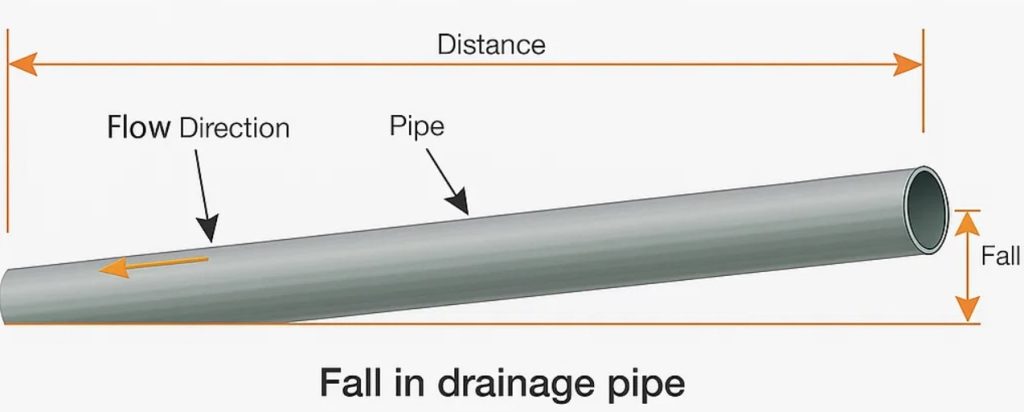
    fall in drainage pipe

    Defining drainage fall

    Drainage fall refers to the vertical distance (also known as vertical fall or vertical drop) by which a pipe or channel drops over its length. It ensures that gravity aids in moving water, preventing stagnant pools within the system.

    How drainage fall affects drainage

    A proper fall ensures that water continuously flows along the entire drainage path, providing adequate flow and maintaining adequate flow velocities. Insufficient falls, particularly in flat terrains, reduce water velocity, causing solids to slow and increasing the chance of sediment build-up and blockages. Conversely, excessive falls can cause high flow rates, leading to wear and erosion within the pipe.

    How to calculate fall

    The formula to calculate a drainage fall is:

    Fall = Gradient × Distance

    To calculate the fall, you multiply the pipe gradient by the distance. The pipe gradient is the ratio of the vertical drop (fall) to the horizontal distance. In other words, the gradient is the fall divided by the distance. This calculation helps ensure the correct slope for effective drainage.

    For example, if the required gradient is 1:80 and the pipe run is 10 meters, the fall is:

    • Fall = 1/80 × 10 = 0.125 meters (125mm)

    This result is the pipe fall for that section.

    Understanding pipe gradient and how to calculate the fall is essential for proper installation and to comply with building regulations and the approved document. Proper pipe fall and gradient prevent blockages and ensure efficient flow in drainage systems.

    Fall = Gradient x Distance

    For example, for a 50-metre section of pipe (metre section) with a gradient written as 1 in 80, the fall over the given distance of 50 metres is calculated as follows:

    • Fall = 0.0125 × 50 = 0.625 metres (or 625 millimetres)

    Get these calculations wrong, and you’re likely to face performance or compliance issues down the track. But don’t worry, at BDS Drainage, we simplify this complex process for our clients.

    Key factors in drainage design

    Proper drainage design is about more than just gradient and fall. There are critical factors to consider to ensure long-term success and efficiency:

    When selecting pipe material and size, the internal diameter of pipes and the invert level are critical for accurate flow calculations and ensuring proper water movement. Invert levels must be carefully considered when connecting sections of pipe to maintain consistent flow and prevent blockages. The layout must also account for surface level slopes, as uneven or steep gradients may require special design features to ensure effective drainage.

    For manhole and access chamber construction, materials such as precast concrete, precast concrete rings, and several precast concrete rings are commonly used due to their durability and ease of assembly. The on site construction process can be significantly sped up by using precast concrete rings, which allow for faster and safer installation, especially for deeper manholes.

    Access to the drainage system is provided by access chambers, inspection chambers, and plastic access chambers, which are essential for maintenance tasks, system inspection, and cleaning. In domestic systems, domestic market plastic is often used for access chambers due to its suitability for residential applications. Cleaning rods are commonly used via access chambers to clear blockages and maintain system functionality.

    Deeper manholes are equipped with step irons, assist access, and gain access features to ensure safe entry for maintenance and inspection. Cast iron lids, iron lids, and galvanised steel lids are specified for manholes and access chambers in areas where traffic crosses the drainage system, providing the necessary strength and durability.

    By considering these factors—such as invert levels, internal diameter, material selection, access chamber types, maintenance tools, and the impact of surface level slopes—you can ensure a robust and efficient drainage system design.

    Drainage pipe material and size

    The choice of pipe material (PVC, concrete, etc.) and its diameter influences flow capacity and resistance to wear. The internal diameter and invert level are essential for accurate flow and gradient calculations, as they determine the effective area for water movement and the elevation at which water enters and exits the pipe. Bigger pipes or highly durable materials may be necessary for areas with heavy water flow or complex systems. When connecting pipes of different sizes, invert levels must be checked to ensure proper alignment and prevent flow disruptions.

    Soil type

    Compact soils like clay create more resistance and slower absorption, which may require steeper gradients. Sandy soils, however, drain more effectively and can use gentler slopes.

    Climate and rainfall

    Locations with heavy rainfall need systems designed with higher water capacity to prevent overflow. Drainage systems must also account for potential flooding during extreme weather events.

    Common drainage problems and solutions

    Even with proper gradients and falls, drainage systems can still face challenges. Here are some of the most common issues and how BDS Drainage tackles them:

    • Blockages

    Caused by debris, grease, or inappropriate materials in the pipes. High-pressure jetting or mechanical rodding clears these effectively. In systems with steep pipe drops, drop manholes and back drop manholes are installed to manage the gradient and prevent solids from being left stranded, which helps in preventing blockages.

    • Leaks

    Often caused by deteriorated or damaged pipes. Solutions include CCTV inspections and either patch lining or full-length re-lining.

    • Root intrusion

    Tree roots can breach underground pipes, leading to blockages or structural damage. BDS employs root cutting technology and pipe repairs to sustainably resolve this issue.

    The drainage gradients and falls 2025 guide

    Looking ahead to 2025, the drainage industry is changing rapidly. Here’s what to expect:

    New pipe schemes are being developed to ensure that the recommended fall and proper pipe gradient are maintained in all installations, aligning with updated standards and best practices.

    New technologies

    Artificial intelligence is now powering drainage analysis. Sensors installed in pipes can automatically monitor flow and predict blockages before they occur. Combining this with improved pipe materials means systems now perform more efficiently and last longer.

    Updated regulations

    Standards around gradients and pipe installation are becoming stricter to comply with environmental sustainability policies. For instance, rainwater management is focused on reusing water rather than releasing it into sewers. Staying compliant will help avoid penalties or system redesigns.

    For professional guidance tailored to your drainage requirements, get in touch with BDS Drainage today

    From assisting clients with gradient calculations to implementing cutting-edge solutions, BDS Drainage is a trusted name in the industry.

    We combine our technical expertise with a customer-first approach, ensuring every project matches your specific needs perfectly.

    Call us for a free quote or consultation—we’re just one click away!
  • Drain Mapping

    Drain Mapping

    Ever wondered what’s happening beneath your feet? If you’ve experienced drainage issues or are planning a construction project, understanding your underground drainage system is vital. That’s where drain mapping comes in.

    With expert drain mapping surveys, you can get a complete understanding of your entire drainage network, avoid costly mistakes, and ensure compliance with environmental regulations.

    This blog explains what drain mapping is, why it’s essential, how it works, and how a professional team can help. By the time you’ve finished reading, you’ll be fully equipped to make informed decisions about your drainage system.

    What is drain mapping?

    drain mapping

    Drain mapping, also known as drain and asset mapping, is the process of visually and electronically identifying the layout and features of a drainage system. This includes pinpointing key components like pipes, manholes, gullies, and flow direction.

    Using advanced tools such as GPS and plotting systems, drainage specialists create a detailed map of underground utilities. The map includes:

    • Size of drain pipes to identify capacity.
    • Depth and layout to understand how the system is structured.
    • Water flow direction to determine how water or waste moves within the network.

    This is not just a service to help you “know where things are.” Drain mapping lays the groundwork to prevent future problems, ensure smooth operations, and inform critical decisions for building projects or maintenance.

    Why is a drain mapping survey important?

    When it comes to keeping your property safe and functioning efficiently, having an accurate drainage map is essential. Here’s why:

    For building projects

    If you’re about to start a building project, detailed knowledge of your drainage system is vital for construction workers. Many times, securing planning permission requires a drain mapping survey. Without it, you might accidentally disrupt existing infrastructure, causing delays and unnecessary expenses. Knowing exactly where pipes and other drainage features are prevents costly mistakes during construction.

    For flood risk management

    One of the most critical applications of drain mapping is flood risk management. Inefficient or unknown drainage layouts can lead to disastrous flooding. A precise map helps you prepare better, ensuring effective drainage channels during heavy rainfall and reducing the risk of water damage.

    For preventing damage

    Blocked pipes, cracks, and other drainage issues can escalate quickly if left unchecked. A drain map helps you monitor the condition of your system, making it easy to spot potential weak points before they lead to damage.

    For environmental compliance

    Businesses that handle chemicals, trade effluents, or hazardous materials have a legal obligation to know where wastewater discharges. By investing in a drain mapping survey, you can remain compliant with environmental regulations while protecting water supplies from contamination.

    The drain mapping process

    Drain mapping is a multi-step process.

    Here’s how it generally works:

    drain mapping process

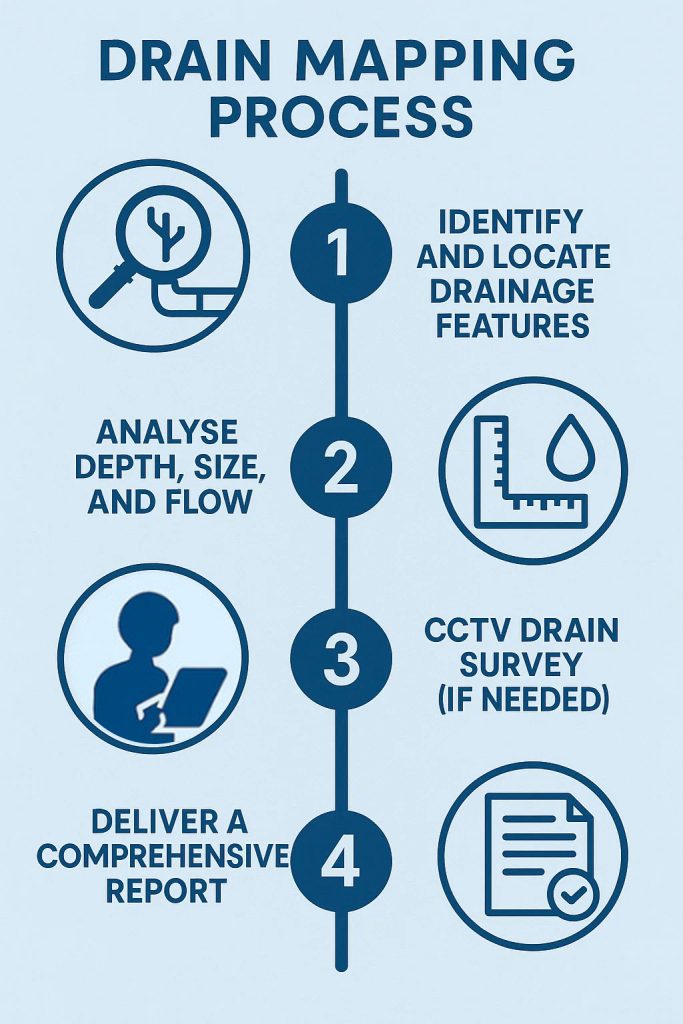
    Step 1: Identify and locate drainage features

    Using GPS technology with accuracy up to 2cm, the team maps visible and underground drainage components and drainage infrastructure. Key features such as manholes, pipes, inspection chambers and gullies are identified and plotted precisely.

    Step 2: Analyse depth, size, and flow

    State-of-the-art tools allow engineers to measure pipe dimensions, depths, and the directional flow of wastewater or surface water. This information is crucial for everything from construction planning to emergency response strategies.

    Step 3: CCTV drain survey (if needed)

    To further inspect inaccessible areas, a CCTV drain survey may be conducted. This visual inspection allows the experts to assess the condition of pipes, check for the exact location of any blockages, and identify potential issues within the system.

    Step 4: Deliver a comprehensive report

    Once the survey is complete, a detailed report will be provided that includes:

    • A full-scale drainage map.
    • Accurate information on pipe conditions.
    • Recommendations for repairs, maintenance, or upgrades if necessary.

    More than just a survey

    Drain mapping isn’t just about having a document to file away. Regular mapping as part of ongoing drain maintenance ensures your system stays in top condition and reduces risks of costly breakdowns.

    FAQ

    How much do drain mapping services cost?

    The cost of drain mapping services can vary depending on the size and complexity of the drainage system. Smaller systems may cost less, typically starting from around £250, while larger or more intricate systems can range upwards of £1,000 due to the additional time and resources required. It is best to request a quote to get an accurate estimate tailored to your specific needs.

    Is drain mapping carried out on the day or does it take longer?

    Drain mapping can often be completed on the same day for straightforward systems, but more complex networks may require additional time. The duration depends on factors such as the system’s size, accessibility, and any unforeseen challenges encountered during the survey.

    Is drainage mapping a legal requirement for construction work?

    Yes, drainage mapping is often a legal requirement for building work to ensure compliance with local building regulations and environmental standards. It is essential for planning and preventing potential issues with existing drainage systems during and after construction projects. Always check local regulations to confirm your obligations.

    Get in touch with BDS Drainage today!

    If you’re experiencing drainage issues, don’t wait until they escalate into bigger problems. At BDS Drainage, we specialise in providing reliable and expert solutions tailored to your needs.

    Our skilled team is here to ensure your drainage system operates smoothly and efficiently. Contact us today to discuss your concerns and see how we can help you maintain a trouble-free system.

    Reach out to a local engineer now and take the first step toward peace of mind.

  • How to Use Drain Rods for Unblocking Drains

    How to Use Drain Rods for Unblocking Drains

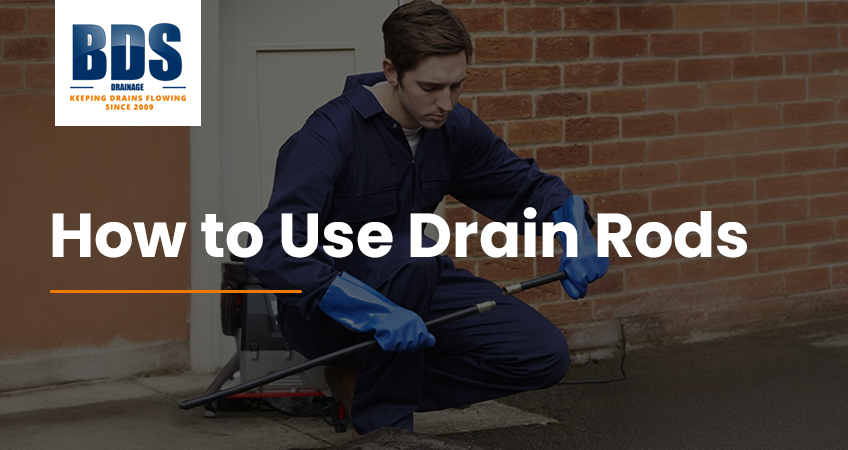
    Blocked drains are a common issue that can cause a lot of inconvenience in any household. Luckily, with the right tools, a bit of know-how and a healthy amount of elbow grease, it’s a problem that you can often solve yourself and get your drains flowing freely once more.

    In this blog post, we’ve put together a step by step guide to unblocking a drain using drain rods covering everything from preparing the area to troubleshooting tips that will help you prevent blockages occurring again.

    So, read on to learn how to use drain rods to your clear blocked drains.

    What are drain rods?

    drain rods

    Drain rods are a set of long, flexible rods that can be screwed together to form a longer rod. They are typically made of sturdy materials like polypropylene or steel and come with different attachments for various types of blockages.

    A highly flexible drain rod works by pushing through the blocked pipe and breaking up the obstruction into smaller pieces, making it easier to remove. They are able to navigate tight bends found in pipe work, allowing you to clear blockages in even the most hard to reach areas of your drainage system.

    Where can you get them?

    Drain rods can be purchased from hardware stores, plumbing supply shops, or online retailers. It’s essential to invest in good quality drain rods as they will last longer and perform better.

    What you’ll need for the job

    To get started, you’ll need:

    • A set of drain rods
    • Protective gloves
    • Protective eyewear
    • A screwdriver (if the drain cover or manhole cover is screwed down)
    • A hose or bucket of water for flushing

    How to use a drain rod?

    using drain rods

    Now, lets see the steps to use drain rods one by one –

    Step 1:Get gloves and eyewear

    Firstly, safety cannot be underestimated when dealing with drainage systems. Before you start working on getting your drains unblocked, ensure you are donning protective gloves and eyewear to safeguard against harmful bacteria and potential splashes.

    If your drain cover is bolted down, you’ll likely need a screwdriver to gain access. It’s wise to also notify anyone in the household to halt water usage to avoid any unexpected flow while you work.

    Step 2: Put your rods together

    Drain rods typically come in sectionable pieces that you can screw together to achieve the desired length. Start with a single rod and connect additional sections as needed, keeping in mind to twist them clockwise. This orientation is crucial as it prevents them from unscrewing inside the drain during use.

    Step 3: Insert the assembled drain rod into the blocked drain

    Carefully introduce the first rod into the drain, ensuring not to apply force that could damage your piping. Continue attaching and feeding rods into the drain as you move deeper. Exercise caution to prevent any potential harm to your plumbing.

    Step 4: Locate and clear the blockage

    With the rods in the drain, use a combined pushing and twisting motion (always clockwise) to work through the pipes. Upon encountering resistance – likely the blockage – apply gentle, steady pressure and continue rotating the rods to disintegrate and clear the obstruction.

    Step 5: Flush the drain

    Feeling the blockage give way, it’s time to cautiously withdraw the rods, unscrewing them piece by piece as they emerge. Following this, conduct a thorough flush of the drain with water to ensure the obstruction is entirely cleared and to check the water flow.

    Step 6: Final clean Up

    After successfully unblocking the drain, it’s paramount to cleanse and sterilise the rods and any other utilised tools. Reattach the drain cover securely. Remember to also clean your protective wear and any clothing that might have come into contact with contaminants during the process.

    Top Tips

    • Avoid using chemical drain cleaners as they can be harmful to both you and your plumbing.
    • For stubborn blockages, try using a plunger before resorting to drain rods.
    • Regularly maintaining your drains by flushing hot water down them can help prevent future blockages.
    • If the blockage persists, it may be best to call a professional plumber for assistance.

    FAQ & troubleshooting

    Q. Should I use chemical drain unblockers before trying drain rods?

    Chemical unblockers can be effective for minor blockages, but are best used as a preventive measure rather than a solution for significant obstructions.

    Q. Can drain rods damage my pipes?

    If used recklessly, yes. However, following the correct technique minimises risk significantly. Steady, gentle pressure and clockwise movements are key.

    Q. What should I do if the blockage has still not cleared?

    If you’ve tried multiple times and the blockage persists, it’s best to call a drainage expert who will have more specialised tools and methods (such as drain jetting) to expertly handle the issue. It could be a sign of a more severe underlying problem that needs to be addressed.

    Q. What are some of the most common causes of blockages?

    Some common causes of blockages include food waste, hair, grease buildup, foreign objects being flushed down the drain, and tree root infiltration.  So avoid pouring grease down your drains and, instead, dispose of it by pouring it into a plastic bottle or other suitable container and then put it in your household waste.

    Additionally, using drain covers or strainers can help catch debris before it enters the pipes.  If you notice recurring blockages, it may be necessary to get a CCTV drain survey performed for a more intensive investigation into the condition of your pipework.

    Conclusion

    Unblocking drains is a practical skill that saves both time and money. By following these instructions, homeowners and DIY enthusiasts can effectively address blocked drains before calling in professionals.

    Still blocked? Call on our specialists!

    Should you encounter a stubborn blockage that refuses to clear or if you feel unsure about tackling this yourself, BDS Drainage is here to help.

    Our team of professionals is not only adept at handling common blockages but also excels in employing advanced techniques such as CCTV drain surveys, high-pressure water jetting, and drain relining.

    At BDS Drainage, our goal is to provide efficient, cost-effective solutions to our customers’ drain issues, backed by our commitment to excellence and customer satisfaction. Whether it’s routine maintenance or emergency blockage removal, our team is equipped to handle challenges of all sizes, ensuring that your drainage system functions smoothly and reliably.

    Our experienced team offers professional solutions to all your drainage issues – covering both domestic pipes and those associated with a commercial property or business.

    Don’t hesitate, reach out to us today for assistance and say goodbye to blocked drains.

  • How to Fix Low Water Pressure Problem

    How to Fix Low Water Pressure Problem

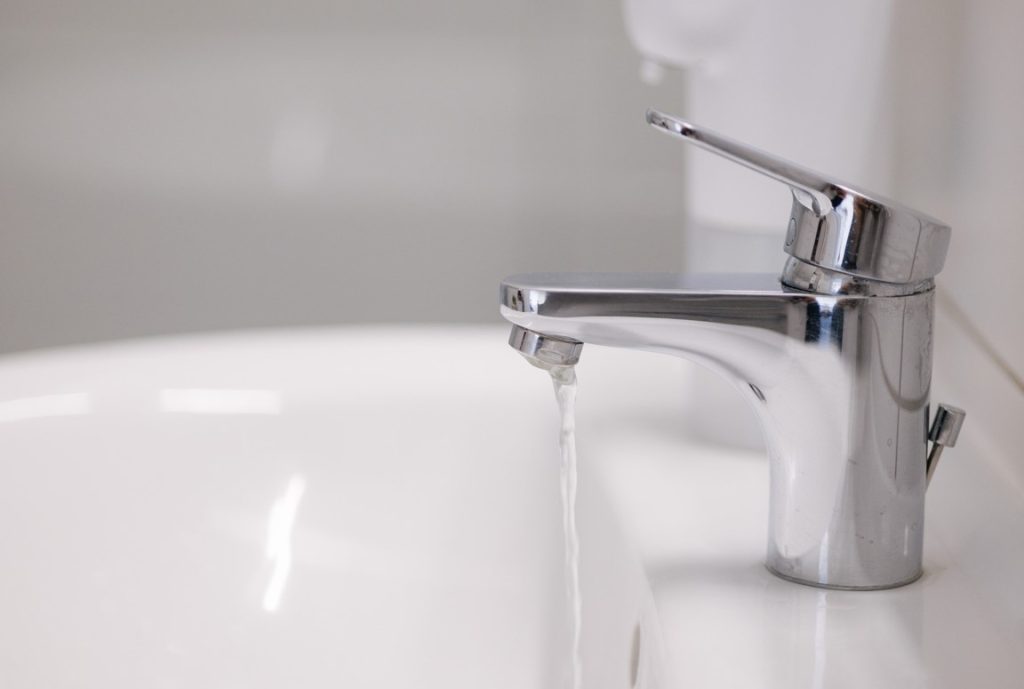
    Low water pressure at home can make even the simplest daily tasks feel like a chore. From taking an underwhelming shower to waiting an eternity for the washing machine to fill up, low water pressure can disrupt your routine and cause frustration. But before you start imagining costly repairs, it’s important to know that low water pressure often has straightforward causes and simple solutions.

    At BDS Drainage, we have years of experience diagnosing and fixing water-related issues for homeowners. With this guide, we’ll walk you through the common causes of low water pressure in your home, how to identify them, and what you can do to fix the issue.

    What causes low pressure in your house?

    Several factors can lead to low water pressure at home. From issues outside your home to specific plumbing or fixture problems, here are the most common culprits to investigate.

    Municipal issues

    Sometimes, the root cause of low water pressure isn’t even in your house. Municipal water supply issues, such as pipe damage, water main breaks, or scheduled pipe maintenance, can disrupt water flow to your home. These situations typically affect an entire area, so your neighbours will also notice a drop in pressure.

    Underlying plumbing problems

    Your home’s plumbing plays a crucial role in maintaining good water pressure. However, issues like corroded pipes, blocked pipes, or malfunctioning pressure regulators can significantly reduce water flow. Additionally, if one of your main water valves is partially closed, it may restrict water flow throughout your house.

    Fixture problems

    Sometimes, the issue is localised to specific fixtures in your home, like a tap or shower head. Lime scale build-up or clogs in aerators and showerheads can diminish their output, leading to what feels like low water pressure in those specific areas.

    Undetected leaks

    Water leaks in your plumbing system can silently deplete water pressure. Whether it’s a dripping pipe in the crawl space or an underground leak, the loss of water from the system can make your taps feel weak. You may also notice other signs of leaks, such as water stains, damp patches, pooling water around the cold water tap of your kitchen sink or an unexplained increase in your water bill.

    Frozen pipes

    During the winter months, frozen pipes can also contribute to low water pressure. When water freezes in pipes, it expands and can block or even burst the pipe, causing a decrease in water flow. If you suspect your pipes may be frozen, it’s important to take immediate action to prevent further damage.

    One way to thaw frozen pipes is by using a hairdryer or heating pad on the affected area. However, if you are unsure of how to safely thaw your pipes, it’s best to call a professional plumber for assistance.

    How to find out what could be causing low water pressure

    low water pressure

    Before you call in a professional, it’s worth troubleshooting a little to pinpoint the cause of your water pressure issues.

    Here’s how to start diagnosing the problem.

    1. Check with your neighbours to see if it is mains water pressure

    If your neighbours are also struggling with low water pressure, the issue is likely with the municipal water supply. You might consider contacting your local utility provider for updates on maintenance or repair schedules.

    2. Inspect your taps and fixtures

    If the low water pressure is isolated to one tap or shower, the problem could be lime scale or a clogged aerator. Remove and have a closer look at these components to check for build-up or blockages.

    3. Test your pressure regulator

    Homes equipped with a pressure regulator may experience issues if the device isn’t functioning properly. If you suspect a regulator issue, a manual adjustment may temporarily resolve the problem—but professional assistance is often necessary for permanent fixes.

    4. Look for leaks

    Pay attention to water stains on ceilings or walls, damp or wet areas, and other clues that could indicate a leak. If you suspect an underground leak, keep an eye on your water meter for unusual spikes even when water isn’t in use.

    5. Call in the pros

    Plumbing and drainage professionals have extensive knowledge and access to specialist equipment such as  cameras and leak detectors, making them your best bet for uncovering hard-to-find leaks. They can also provide expert advice on how to fix the issue and prevent future leaks.

    6. Check outdoor areas

    Don’t forget to check outdoor areas such as sprinkler systems, hoses, and outdoor faucets for leaks or damage. These areas are often overlooked but can also contribute to significant water waste if left unchecked.

    How to fix low water pressure in your home

    fix low water pressure

    The good news is that many causes of low water pressure can be tackled with a little DIY. Here are some fixes to consider before you call a plumber.

    Clean aerators and showerheads

    Mineral deposits like lime scale can clog aerators and showerheads over time. Unscrew the aerator or showerhead, soak it in a vinegar solution to dissolve mineral build-up, and scrub it clean before reattaching.

    Adjust your pressure regulator

    If you have a pressure regulator, try adjusting it to see if that improves water flow. Regulators often come with a screw mechanism that can be turned clockwise to increase pressure. Be careful not to overdo it, as excessive pressure can put stress on your pipes.

    Check shut-off valves

    Sometimes, a partially closed shut-off valve is the simple cause of restricted water flow. Ensure all main and localised water valves are fully open to allow maximum flow.

    When should you call a professional?

    While many low water pressure issues can be tackled with DIY solutions, some situations require professional help.

    • When DIY solutions don’t resolve the problem

    If you’ve tried all the above fixes and the water pressure remains low, the issue could be more complex than it seems.

    • Suspected leaks or corroded pipes

    Large leaks or corroded pipes require advanced tools and expertise to diagnose and repair. These are not projects you want to take on yourself.

    • Municipal water supply issues

    If municipal issues persist beyond temporary maintenance schedules, you may need professional advocacy to work with your utility provider.

    FAQ

    Can low water pressure affect my hot water?

    Yes, low water pressure can affect your hot water. Hot water systems, such as water heaters or tankless systems, rely on steady water flow to function properly. If the water pressure is too low, it may reduce the flow of hot water to your fixtures, making it harder to achieve your desired temperature or causing intermittent supply issues.

    It’s important to determine whether the low pressure is due to a problem within your plumbing system or an external issue, such as a municipal water supply problem.

    Can I use a water pressure booster pump?

    Yes, a water pressure booster pump can help improve low water pressure in your home. These pumps are designed to increase the flow and pressure of water traveling through your plumbing system, ensuring an adequate supply to fixtures and appliances.

    Booster pumps are especially useful if you live in an area with naturally low municipal water pressure or if your home is located at a higher elevation where gravity reduces the pressure.

    Before installing a booster pump, it’s wise to first verify that the low pressure isn’t caused by leaks, blockages, or other plumbing issues within your system, as these should be resolved to avoid further complications. Consulting with a professional plumber can help determine if a booster pump is the best solution for your needs.

    How do I know if I have a pressure regulator?

    To determine if you have a pressure regulator, check near the main water shut-off valve for your home. A pressure regulator is typically a bell-shaped or cylindrical device installed on the main water line, often accompanied by a water pressure gauge to monitor water pressure. If you are still unsure, you can consult your home’s plumbing diagrams or contact a licensed plumber to help identify whether your system includes a pressure regulator.

    Additionally, if your water pressure remains consistently stable, this could be an indication that a regulator is in place and functioning properly.

    Can I manually increase water pressure without a regulator?

    Yes, it is possible to manually increase water pressure without a regulator, but the methods are limited and depend on the plumbing system in your home. Start by checking for partially closed main water valves or shut-off valves near fixtures, as these can restrict water flow. Ensuring that all valves are fully open may help improve water pressure.

    Additionally, cleaning or replacing clogged aerators and showerheads can eliminate buildup that reduces flow. If these steps do not resolve the issue, it may indicate a problem with your municipal water supply or plumbing system, in which case consulting a professional plumber is recommended.

    What causes high pressure?

    High water pressure can result from a variety of factors. One common cause is a malfunctioning or misadjusted pressure regulator, which is designed to maintain pressure at a safe and consistent level.

    Another potential reason is the proximity of your home to the municipal water supply’s main source, as properties closer to pumping stations often experience naturally higher pressures.

    Additionally, homes connected to a high-elevation water tank may face increased pressure due to gravity. High water pressure, while sometimes unnoticed, can lead to long-term damage to pipes, fixtures, and appliances, making it important to address promptly.

    What is a pressure reducing valve?

    A pressure reducing valve (PRV) is a plumbing device that regulates and reduces the incoming water pressure from the main supply pipe to a safe and consistent level within your home. It is installed directly after the main shut-off valve and can help prevent damage caused by excessively high water pressure.

    Don’t settle for low water pressure

    Low water pressure doesn’t have to disrupt your daily life. By diagnosing the problem and implementing the right solution, you can enjoy a steady and satisfying flow of water again. Whether it’s a simple DIY fix or a complex plumbing issue, addressing the problem quickly can save you time, money, and stress.

    If you’re ready to say goodbye to frustrating low water pressure at home, contact BDS Drainage today. Our expert team is only a call away to diagnose, repair, and optimise your water flow.

    How BDS drainage can help

    At BDS Drainage, we offer comprehensive plumbing inspections and solutions to ensure your home maintains optimal water pressure.

    Here’s how we can help:

    • In-depth inspections

    We’ll carefully inspect your plumbing to identify any issues, including hidden leaks or corroded pipes.

    • Leak detection and repair

    Our advanced tools allow us to pinpoint and fix leaks efficiently, minimising damage and maximising water pressure.

    • Pipe replacement and rehabilitation

    Older pipes are prone to corrosion and scale build-up. If needed, we can provide modern replacements designed to improve longevity and pressure.

    • Water pressure optimisation services

    We offer customised solutions to ensure your water pressure meets the needs of your household.

  • Does home insurance cover plumbing and drainage?

    Does home insurance cover plumbing and drainage?

    Home insurance is an essential safeguard for homeowners, providing peace of mind and financial protection against unexpected events. However, many homeowners are uncertain about what their policies actually cover, especially when it comes to plumbing and drainage issues. This blog aims to shed light on the specifics of home insurance coverage for plumbing and drainage, helping you make informed decisions about your insurance needs.

    Understanding home insurance

    Home insurance is a broad term encompassing various types of coverage designed to protect your home and personal belongings. In the UK, homeowners typically have two main types of home insurance policies to choose from:

    • Buildings insurance: This covers the structure of your home, including walls, roofs, and floors. It also covers permanent fixtures like baths, toilets, and fitted kitchens.
    • Contents insurance: This covers your personal belongings within the home, such as furniture, electronics, and clothing.

    Some insurers offer combined policies that include both buildings and contents insurance, providing comprehensive protection for your home and possessions.

    Coverage of plumbing and drainage issues

    home insurance cover

    When it comes to plumbing and drainage, home insurance policies can be a bit tricky. Generally, they cover damage caused by sudden and unexpected incidents, such as burst pipes or accidental damage due to a broken appliance. However, there are some important nuances to consider.

    What typical home insurance policies cover

    Most standard home insurance policies will cover:

    • Burst pipes due to freezing weather
    • Damage caused by a leaking pipe
    • Water damage from broken appliances (e.g., washing machines)

    Common exclusions

    However, there are several common exclusions that homeowners should be aware of:

    • Gradual wear and tear or deterioration
    • Blocked drain
    • Root ingress into pipes
    • Damage caused by DIY repairs
    • Pre-existing conditions

    To ensure you’re prepared, it’s essential to read your policy documents carefully and understand the specific terms and conditions of your coverage.

    What other types of insurance cover plumbing and drains?

    drainage cover in insurance

    In addition to home insurance, there are other types of insurance policies that can provide coverage for plumbing and drainage issues. These include:

    Plumbing and drainage insurance

    Offered by water supply companies like Thames Water, Essex and Suffolk Water, and others, plumbing and drainage cover provides protection specifically for these systems. These policies often cover issues like blockages, leaks, and bursts, as well as repairs and maintenance.

    Home emergency cover

    Many insurers offer home emergency cover as an add-on to standard home insurance policies. This type of coverage provides assistance in the event of an emergency, such as a burst pipe or severe blockage, and typically includes 24/7 call-out services.

    Accidental damage cover

    Accidental damage cover can be added to your home insurance policy to provide protection against unintentional damage to your plumbing and drainage systems. This can include things like accidentally drilling through a pipe or damaging a sink.

    Is it worth getting plumbing and drainage cover?

    plumbing cover in insurance

    Determining whether separate plumbing and drainage cover is worth it depends on your specific situation. Here are some benefits of having dedicated plumbing and drainage insurance:

    • Comprehensive coverage: Separate policies often provide more extensive coverage than standard home insurance, covering a wider range of issues and repairs to your central heating system.
    • Peace of mind: Knowing that your plumbing and drainage systems are protected can give you greater peace of mind and reduce stress in case of an emergency.
    • Cost savings: While there may be an additional premium, having dedicated cover can save you money in the long run by avoiding costly repairs and emergency call-outs.

    However, it’s essential to weigh these benefits against the cost and consider whether your existing home insurance policy provides sufficient protection for your needs.

    How much does plumbing and drainage cover cost?

    Incorporating plumbing and drainage insurance into your existing home insurance policy is typically more cost-effective than purchasing separate coverage. Reach out to your home insurance provider to explore this option and discover the best quotes for plumbing and drainage coverage tailored to your needs.

    On average, repairing a leaking pipe can cost between £160 and £350, depending on the severity of the damage and accessibility. In contrast, plumbing and drainage insurance can be as affordable as £5 to £10 per month, making it an economical choice for safeguarding your home.

    Advice on choosing the right plumbing and drainage insurance cover

    When selecting an insurance policy for plumbing and drainage coverage, consider the following factors:

    • Coverage limits: Ensure the policy covers the full cost of potential repairs and replacements.
    • Exclusions: Be aware of any exclusions or limitations in the policy, such as pre-existing conditions or certain types of damage.
    • Provider reputation: Research the insurance provider’s reputation and customer reviews to ensure they have a history of reliable service and prompt claims handling.
    • Cost: Compare premiums and coverage options from multiple providers to find the best value for your money.

    Best practices for maintaining home systems to avoid insurance claims

    Preventative maintenance is crucial in reducing the likelihood of plumbing and drainage issues and avoiding insurance claims. Here are some best practices for maintaining your home systems:

    • Regular inspections: Periodically inspect your plumbing and drainage systems for signs of wear and tear, leaks, or blockages.
    • Proper usage: Avoid flushing inappropriate items down toilets or sinks, and use drain guards to prevent debris from entering your pipes.
    • Seasonal maintenance: In colder months, insulate pipes to prevent freezing and burst pipes. In warmer months, check for signs of root ingress and address any issues promptly.
    • Professional servicing: Schedule regular professional servicing and maintenance of your plumbing and drainage systems to ensure they remain in good working order.

    Conclusion

    In conclusion, understanding the coverage provided by your home insurance policy for plumbing and drainage issues is essential for protecting your home and avoiding unexpected expenses. While standard home insurance policies may cover certain incidents, it’s important to be aware of common exclusions and consider additional coverage options like plumbing and drainage cover, home emergency cover, and accidental damage cover.

    By choosing the right insurance policy and maintaining your home systems, you can enjoy greater peace of mind and financial security. Review your current policy, assess your needs, and explore additional coverage options to ensure you’re fully protected.

    Get a free quote for a professional drainage solution today with BDS Drainage.

    For comprehensive drainage solutions, including emergency repairs to burst or leaking pipes, new installations, and clearing blocked drains, get in touch with BDS Drainage today. Our team of professionals is here to help you keep your home’s plumbing and drainage systems in top condition.

    We provide premium solutions at affordable prices and, unlike your home insurance policy, there’s nothing we don’t cover when it comes to a plumbing and drainage problem.

    Call today for a free quote and solve your drainage or plumbing problem once and for all.

  • How to Get Rid of Smelly Drains?

    How to Get Rid of Smelly Drains?

    Help! My drain smells like sewage!

    The drainage system in our homes and communities plays a crucial role in maintaining our quality of life. It efficiently removes waste and dirty water from our bathrooms and kitchens, making it essential to keep our drains clean and well-maintained.

    Proper maintenance prevents issues such as blockages, unhygienic conditions, and a foul drain smell.

    However sometimes, no matter how hard we try, our drains can emanate a truly horrific smell that is enough to turn even the strongest of stomachs. In this blog post, we will look at the common culprits when it comes to a smelly drain and most importantly — how to eliminate the problem and offending smell once and for all.

    The causes of smelly drains

    causes of smelly drains

    • Bacteria and clogs blocked drains and the accumulation of bacteria are the most common reason for a drain smelling foul. Whenever you notice that the sink or the pipeline is clogged and the smell is coming from there, it is most likely due to the accumulation of stuff like hair, grease, and other debris on the pipeline.
    • Water issues – the sulphate concentration of the water makes it smelly and when it comes in contact with the water heaters, it reacts in a way that creates a rotten egg kind of smell,  leading to the foul smelly drain.
    • Sewer gases – in cases where a drain is left unused for long, sewer gases rise up the drain and cause it to smell foul. Additionally, untreated sewer gas leaks can result in similar consequences.
    • Mould/mildews – in case of leakage in the pipe, the mould or the mildews start building up. When they grow in large quantities, they start emitting an unpleasant smell which in turn causes the foul smelling of the entire drainage system.

    These are the key reasons why a drain might smell foul. Now, let’s explore the most convenient tactics for eliminating smelly drains.

    How to clean smelly drains?

    How to clean smelly drains

    For odour created due to a clogged drain, bacteria, and blockages

    In most cases, eliminating bacteria from drains or pipelines effectively tackles unpleasant odours. For stubborn clogs, using a drain snake can clear blockages and remove foul smells. If the odour comes from the shower drain, a plunger can help clear clogs and eliminate the stench. You don’t need complicated techniques; even boiling water can kill the bacteria causing the odour.

    Additionally, using hot water with bleach or a mixture of vinegar and baking soda with boiling water can effectively destroy bacteria and clogs, thereby eliminating the unpleasant smell.

    For odour created due to sewer gas and unused drains

    To prevent a sewer gas smell from rising, avoid letting the taps remain dry for extended periods. Ensure the P-trap in your kitchen sink drain is working properly to stop an unpleasant sewer smell from entering your kitchen drain.

    Remember, when the taps are filled with water and wastewater flows consistently through the pipes, the likelihood of foul odours is significantly reduced.

    For odour created due to water heater issues

    Since this issue is primarily due to water heater problems, you can address it by increasing the heat. This will kill the bacteria and reduce the sulphate concentration in the water, which is responsible for the foul smell in the drain.

    For odour created due to plumbing, moulds, and mildew related issues

    While most other options can be addressed with DIY techniques, this particular issue might require a plumber’s expertise. Leaks in the pipeline or growing mould and mildew need thorough inspection. If they are not properly managed, replacement might be necessary to prevent unpleasant odours from the drainage system.

    Conclusion

    Here are some common causes of stinky drain smells and effective remedies to get rid of them. It’s crucial to know how to unblock a drain or, better yet, prevent blockages and clogs, as these are often the main culprits behind foul odours. Implementing the techniques mentioned above can significantly help if done correctly.

    Need help from the professionals?

    If you’ve tried the above methods and still can’t eliminate the foul odour from your drains, it may be time to call in the professionals.

    At BDS Drainage, we specialise in identifying and resolving all types of drainage issues swiftly and effectively. Whether it’s a stubborn clog, a sewer gas problem, or mould and mildew that’s causing the issue, our skilled team is here to help.

    Don’t let a smelly drain disrupt your quality of life—contact BDS Drainage today for a free quote and a thorough and professional solution to your drainage problems.


    smelly drains

  • How to regularly clean and maintain your drains

    How to regularly clean and maintain your drains

    Keeping your drains clean might not be the first thing on your to-do list, but regular maintenance can save you time, money, and hassle in the long run. Clean drains help prevent clogs, unpleasant odours, and even potential health hazards. Plus, maintaining your drains properly has significant environmental benefits, such as reducing water waste and preventing harmful chemicals from entering the water system.

    In this blog post, we will explore  some simple but effective ways to keep your drains clean and well-maintained.

    Signs you have blocked drains or drains that need cleaning

    signs of blocked drains

    Before diving into the DIY approach, it’s essential to recognise when your drains require attention.

    Here are some common indicators that you have blocked drains or they might need cleaning:

    • Slow draining water: If water takes longer than usual to drain from your sinks, bathtubs, or showers, it could indicate a build-up of debris in the pipes.
    • Unpleasant odours: Persistent foul smells emanating from your drains suggest trapped food particles, grease, or other organic matter.
    • Gurgling noises: Unusual sounds coming from the pipes can mean there’s air trapped due to a blockage.
    • Frequent clogs: Regularly occurring blockages signal that your drains need a thorough cleaning.
    • Water backing up: If water starts to back up in your sinks, it’s a clear sign of a blocked drain that needs immediate attention.

    Identifying these signs early can help you address minor issues before they escalate into more significant problems.

    The DIY approach

    Tools you’ll need for the job

    To effectively clean and maintain your drains, you’ll need a few basic tools:

    • Rubber gloves
    • Plunger
    • Drain snake or auger
    • Bucket
    • Baking soda
    • White vinegar
    • Boiling water
    • Biological enzyme cleaner
    • Soda crystals

    Step-by-step guide to cleaning and maintaining drains

    Below you’ll find several different methods of effectively cleaning and maintaining your drains. The great thing about all of these suggestions is that they are equally effective whether you are cleaning a kitchen sink, bathroom sink or shower drains.

    Method 1: Boiling water

    1. Boil a kettle of water.
    2. Pour the boiling water slowly down the drain in two to three stages, allowing the water to work for a few seconds between each pour. This can help dissolve and flush away minor clogs.

    Method 2: Baking soda and vinegar

    baking soda and vinegar

    1. Pour a pot of boiling water down the drain.
    2. Add about half a cup of baking soda and let it sit for a few minutes.
    3. Pour a mixture of one cup vinegar and one cup hot water down the drain.
    4. Cover the drain with a plug or cloth to keep the reaction below the drain surface.
    5. Wait 5-10 minutes as the mixture fizzes and breaks down debris.
    6. Flush again with boiling water.

    Method 3: Biological enzyme cleaner

    cleaners

    1. Follow the instructions on the product label to mix the enzyme cleaner.
    2. Pour the enzyme cleaner down the drain and let it sit overnight. These natural enzymes break down organic material, which can then be flushed away.
    3. Flush the drain with warm water the next morning.

    Method 4: Soda Crystals

    1. Dissolve about half a cup of soda crystals in boiling water.
    2. Pour the solution down the drain, and let it work for a few minutes.
    3. Flush with boiling water.

    Preventive measures

    Taking preventive steps can help avoid future clogs and keep your drains running smoothly:

    • Use drain guards: Install drain guards or strainers over sink drains to catch hair and soap scum, food particles,  and other debris.
    • Avoid pouring cooking grease down the drain: Grease can solidify in pipes, causing blockages. Dispose of it in a separate container instead.
    • Run hot water: After each use, run hot water down the drain to help keep it clear.
    • Use enzyme cleaners regularly: Monthly use can help maintain clean drains without harsh chemicals.
    • Be mindful of what goes down drain pipes: Avoid flushing anything other than toilet paper and human waste. In sinks, avoid allowing large food particles to wash down.

    When to call a professional

    Despite your best efforts, some drain issues may require the expertise of a professional plumber. Here are some signs it’s time to call in the experts:

    • Persistently clogged drain: If your drains continually clog despite regular maintenance, a deeper issue might need professional attention.
    • Water damage: Signs of water damage around your sinks or floors indicate a possible leak that needs to be assessed.
    • Multiple slow drains: If more than one drain is slow, it could suggest a severe blockage in the main sewer line.
    • Sewage smells: Unpleasant sewage smells mean there might be a significant blockage or broken pipe needing professional repair.
    • Recurring issues: If problems keep coming back, it’s worth getting a professional to diagnose and fix the root cause.

    FAQ

    How often should I clean my drains?

    For optimal performance, it’s recommended to clean your drains every month using DIY methods like boiling water or enzyme cleaners.

    Can I use chemical drain cleaners?

    While effective, chemical drain cleaners can be harsh and may damage your pipes over time. Natural or enzymatic cleaners are safer alternatives.

    What should I do if I’ve accidentally poured grease down the drain?

    If you’ve poured grease down the drain, follow it up immediately with boiling water and a grease-dissolving dish soap. Alternatively, use the baking soda and vinegar method for a more thorough clean.

    Are there any eco-friendly ways to maintain my drains?

    Yes! Enzyme cleaners and natural solutions like baking soda and vinegar are eco-friendly and effective in maintaining clean drains.

    How do I remove a hair clog from the shower drain?

    Use a drain snake or a bent wire hanger to fish out hair clogs. You can also use the baking soda and vinegar method to help break down any remaining debris.

    Conclusion

    Regularly cleaning and maintaining your drains is vital for a healthy home plumbing system. By identifying the signs of clogged drains, using the right DIY methods, and taking preventive measures, you can keep your drains flowing smoothly. Remember, while DIY approaches are effective, don’t hesitate to call a professional for more significant issues.

    By following this guide, homeowners and DIY enthusiasts can ensure their drains are clean and well-maintained, preventing costly repairs and maintaining a healthy drainage system.

    Need further support with a blocked drain?
    Contact BDS Drainage!

    If you encounter persistent drain problems or require professional assistance, BDS Drainage is here to help. Our expert team provides comprehensive drainage solutions to ensure your system stays in top condition.

    Contact us today to schedule an appointment or for more information.

  • Case Study: Comprehensive Repair of a Sewage Treatment Plant

    Case Study: Comprehensive Repair of a Sewage Treatment Plant

    Our team was called in to inspect and repair a malfunctioning sewage treatment plant at a residential property. The inspection revealed several critical issues with the drainage system, the construction of the sewage treatment plant, and the connections between components. The repair process spanned multiple days, requiring detailed excavation, careful handling of materials, and precise repairs to ensure the system’s integrity.

    Initial Inspection and Findings

    Upon arrival, two of our engineers conducted a thorough inspection of the site, utilising CCTV equipment to examine the drainage system running from the sewage treatment plant to the house. The inspection revealed the following:

    • Damaged Pipework: At the junction where the pipework transitioned from plastic to clay, we found a damaged one-metre section of clay pipe with a poorly executed connection. This required a one-metre remedial patch to restore functionality.
    • Sewage Treatment Plant Issues: The plastic weld on the sewage treatment plant was incorrectly done, raising concerns about the integrity of the connection between the risers and the chamber. There was a high likelihood of groundwater penetrating the system due to improper sealing. Additionally, the manhole covers and frames were not fitted correctly, and the covers under the first set were also not sealed.

    Repair Process

    Day One:

    • CCTV Inspection: Completed a detailed CCTV inspection of the drainage system.
    • Initial Repairs: Identified the need for a one-metre remedial patch in the clay pipe and noted the issues with the sewage treatment plant’s construction.

    Day Two:

    • Material Handling: We carefully removed the decorative stone surrounding the sewage treatment plant. This task required meticulous attention to prevent mixing the stone with other rubble, as the stone would need to be relaid.
    • Excavation: Our engineers removed the incorrectly installed manhole covers and frames, which were neither secured with the proper concrete nor aligned correctly.
    • Chamber Investigation: Further excavation around the riser revealed the presence of concrete and rubble instead of the recommended hardcore. We found that the tank had likely dropped due to the lack of a proper base underneath, causing the top of the tank to remain stationary while the base moved, compromising the system’s stability.
    • Pipework and Connections: The pipework exiting the chamber was also poorly fitted, with a leaking pump waste away pipe that required repair. We exposed the connection around the chamber and corrected the installation, ensuring all connections were properly sealed and tested for leaks.

    Conclusion

    bds drainage team

    Our team worked meticulously to address the numerous issues with the sewage treatment plant and its surrounding infrastructure. The improper installation of various components, from the manhole covers to the pipework, had led to significant operational problems. By the end of the project, we ensured that all elements were correctly installed, sealed, and tested, restoring the system’s integrity and preventing future issues.

    Results

    • System Integrity Restored: All faulty connections were repaired, and the sewage treatment plant was properly sealed to prevent groundwater infiltration.
    • Enhanced Durability: The excavation and proper reinstallation of the system components ensured that the treatment plant would function reliably for years to come.
    • Customer Satisfaction: The homeowner was thoroughly briefed on the issues and the corrective actions taken, providing peace of mind that their sewage treatment system was now operating as intended.

    This case study highlights our commitment to thorough inspections, detailed workmanship, and ensuring that all repairs meet the highest standards of quality and safety.

  • What is sewage?

    What is sewage?

    Have you ever wondered what happens to the water once it goes down the drain? Understanding sewage is crucial for homeowners and DIY enthusiasts alike. In this blog post, we’ll explore the depths of sewage systems, the dangers of untreated sewage, and practical tips for managing sewage problems.

    By the end, you’ll have a clear understanding of how to keep your home’s plumbing system running smoothly and safely.

    Beneath the surface

    sewage system

    Definition and components of sewage

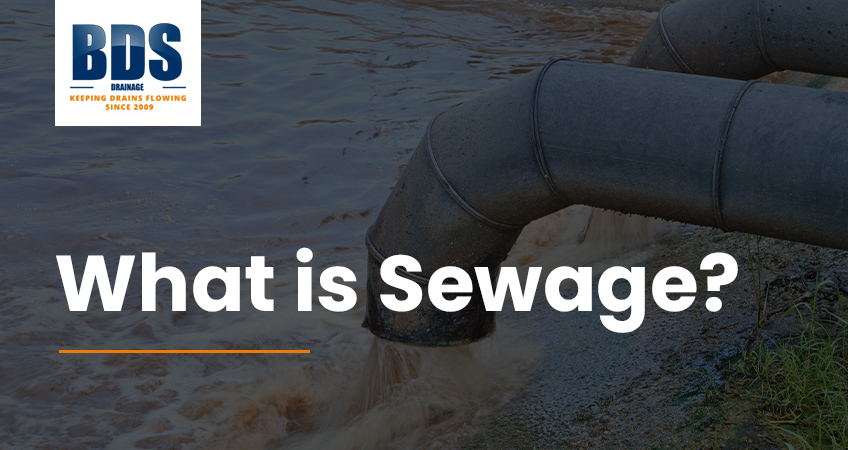
    Sewage, often referred to as wastewater, is the used water that flows from our homes, businesses, and industries. It includes water from sinks, showers, toilets, washing machines, and dishwashers. Sewage is a complex mixture of water, human waste, organic matter, chemicals, and microorganisms. Understanding its components helps homeowners appreciate the importance of proper sewage management.

    The sewage system: how it works

    The sewage system is an intricate network designed to transport wastewater from your home to sewage works owned by water companies. Public sewers consist of pipes, pumps, and treatment plants serving more than one property.

    Once sewage leaves your property boundary, it travels through underground pipes in the sewerage system to a treatment plant where harmful substances are removed before the water is released back into the environment. Knowing how this system works can help you identify and address potential issues.

    Sewage treatment works

    What happens to raw sewage and the role of the Environment Agency

    In the UK, the treatment of raw sewage is a meticulous process monitored and regulated by the Environment Agency to ensure public health and environmental protection. The treatment process typically begins with screening, where large objects and debris are removed. Following this, the sewage undergoes primary treatment, which involves the settlement of solids at the bottom of sedimentation tanks.

    Sewage treatment process

    Next, the sewage enters the secondary treatment phase, where further treatment and biological processes break down organic matter using bacteria. Finally, in the tertiary treatment phase, advanced methods like filtration, disinfection, and sometimes nutrient removal ensure the water meets safety standards. The cleaned water is then safely discharged into rivers or coastal waters via a larger sewer pipe.

    The sewerage companies work alongside the Environment Agency to ensure compliance with environmental laws and sustainable practices to protect and preserve water quality.

    Common causes of sewage problems

    Several factors can lead to sewage problems in your home. Blocked drains caused by grease, hair, or foreign objects can obstruct pipes and lead to backups. Tree roots can infiltrate sewer lines, causing blockages, sewage spills and breaks. Additionally, ageing infrastructure and ground movement can damage pipes. Understanding these common causes can help you take preventative measures.

    The dangers of untreated sewage and health risks

    Sewage treatment works

    Environmental impact

    Untreated sewage poses significant environmental risks. When sewage leaks into the environment, it can contaminate soil, water bodies, and ecosystems. This pollution can harm wildlife and disrupt natural habitats. Proper sewage management is essential to protect the environment and maintain biodiversity.

    Health risks for you and your community

    Sewage contains harmful bacteria, viruses, and parasites that pose serious health risks. Exposure to untreated sewage can lead to illnesses such as gastrointestinal infections, skin rashes, and respiratory problems. Contaminated water sources can also spread diseases within communities. Ensuring your sewage system functions properly is vital for safeguarding public health.

    Signs of sewage issues in your home

    Smells, backups, and slow drains: what to look for

    Detecting sewage issues early can prevent costly repairs and health hazards. Foul odours emanating from drains, toilets, or your yard are strong indicators of sewage problems. Frequent backups in sinks, showers, or toilets suggest blockages or pipe damage. Slow-draining fixtures may also point to underlying issues. Paying attention to these signs can help you address problems before they escalate.

    How to prevent sewage problems

    Signs of sewage issues in your home

    Regular maintenance tips for homeowners

    Regular maintenance is key to preventing sewage problems. Avoid flushing non-biodegradable items like wet wipes and hygiene products. Dispose of grease and cooking oils properly by placing them in a container and throwing them in the trash. Regularly inspect and clean your drains using environmentally friendly products to prevent build-up. Scheduling annual inspections with a professional can also identify potential issues early.

    Common DIY fixes and when to call a professional

    DIY Fixes:

    • Use a plunger: Effective for minor clogs in toilets, sinks, and showers.
    • Employ a drain snake: Useful for dislodging more stubborn blockages deeper in the pipes.
    • Pour boiling water down drains: Can help dissolve grease buildups; however, use with caution, particularly on plastic pipes.
    • Baking soda and vinegar: A natural solution for clearing minor clogs and deodorising drains.
    • Regularly clean P-traps: Ensure that your sink’s P-trap is clear of debris by unscrewing and cleaning it.

    When to call a professional:

    • Persistent clogs: If DIY methods fail to clear the blockage.
    • Sewage backups: Raw sewage backing up into your home requires professional intervention.
    • Pipe damage: Suspected breaks or cracks in your pipes.
    • Tree root infiltration: Roots invading sewer lines need expert removal and repair.
    • Frequent issues: Recurring problems may indicate a deeper issue that needs professional diagnostics and repairs.

    Conclusion

    Proper sewage management is crucial for maintaining a healthy and safe home environment. By understanding how sewage systems work, recognising signs of problems, and taking preventative measures, you can protect your home and community from the dangers of untreated sewage.

    Need help from the professionals?

    bds drainage

    For those facing persistent or severe issues, seeking professional help is the best course of action. BDS Drainage offers expert services to ensure your sewage system functions efficiently and safely.

    Get in touch for a free quote and safeguard your home’s plumbing system.

  • What causes blocked drains?

    What causes blocked drains?

    Blocked drains are a nightmare that no homeowner wants to face. From the slow-draining sinks to the unpleasant odours, the problems caused by blocked drains can disrupt your daily life.

    But what exactly causes these blockages? How can you prevent them from happening? This blog aims to shed light on the common causes of blocked drains and offer practical tips for homeowners to keep their plumbing in top shape.

    Understanding the causes of a blocked drain

    causes of blocked drains

    Blocked drains can occur in various parts of your home, each with its specific culprits. Let’s explore the primary causes and how they contribute to this common household issue.

    Accumulation of hair and soap scum in bathroom drains

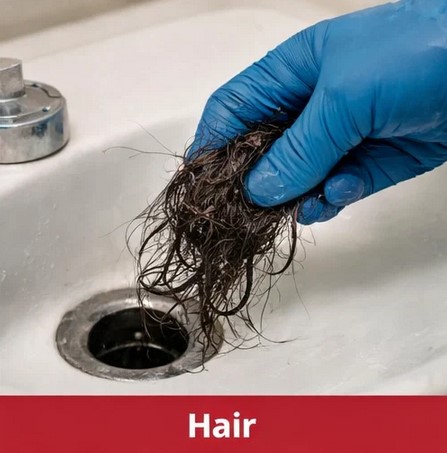
    One of the most frequent causes of blocked drains in bathrooms is the accumulation of hair and soap scum. When you wash your hair or take a shower, loose strands can easily get caught in the drain. Over time, these strands combine with soap scum and other debris, forming a thick, sticky mass that restricts water flow. Regularly cleaning your bathroom drains can help mitigate this problem and keep the water flowing smoothly.

    Food scraps and grease in kitchen sinks

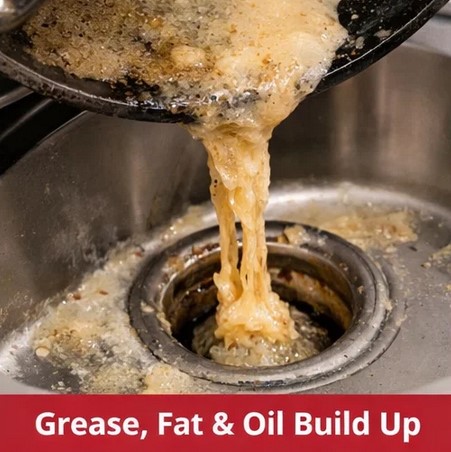
    The kitchen sink is another hotspot for blocked drains. Food waste, coffee grounds, grease, and oil are the primary culprits here. When you wash dishes, tiny food particles can slip down the drain, and grease can solidify as it cools, sticking to the sides of the pipes. This creates a blockage that can be difficult to remove. Using a strainer in your sink and disposing of grease properly can go a long way in preventing kitchen drain blockages.

    Foreign objects and wet wipes in toilets

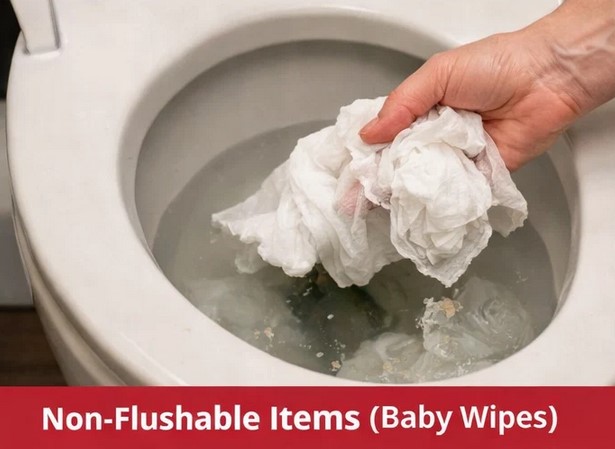
    Toilets are designed to handle human waste and toilet paper, but they often become the dumping ground for other items like baby wipes, sanitary products, and even small toys which. These foreign objects don’t break down easily and can cause significant blockages when flushed down the toilet. Teaching everyone in your household about what should and shouldn’t be flushed can help prevent blocked pipes.

    What causes drain blockages outside?

    causes of drain blockages outside

    Blocked drains aren’t limited to the inside of your home; they can also occur in the external drainage network. Understanding what causes a blocked outside drain can help you take preventive measures and maintain a healthy drainage system.

    Overview of the external drainage network

    Your home’s external drainage system is designed to carry wastewater away from your property, directing it to the main sewer lines. This network includes pipes, gutters, and downspouts, all of which can become congested under certain conditions and block drains as a result. Regular maintenance and inspections can help keep these components functioning smoothly.

    Tree root intrusions

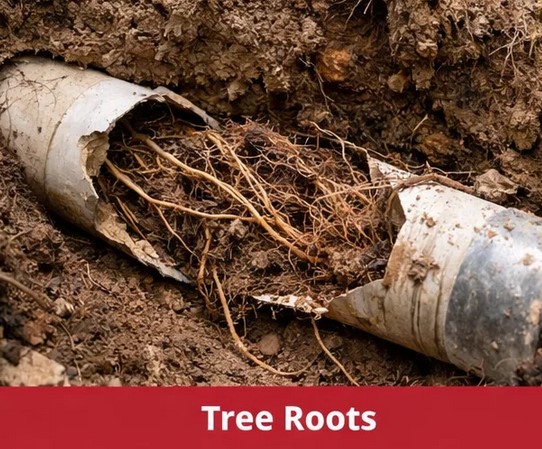
    One of the most common causes of external drain blockages is tree root ingress. Tree roots naturally seek out water sources, and the moisture inside your pipes can attract their roots. Once they find a way in, the roots can grow larger, eventually blocking the pipe entirely. Installing root barriers or regular inspections can help manage this issue.

    Soil and debris

    Heavy rain can wash soil, leaves, and other debris into your drain pipe and system, causing blockages. Ensuring that your gutters and downspouts are clean and free from debris can help prevent this problem. Additionally, installing gutter guards can reduce the amount of debris that enters your drainage system.

    The impact of blocked drains on home plumbing systems and the environment

    impact of blocked drains on home plumbing systems

    A drain blockage is more than just an inconvenience; they can have far-reaching effects on your home and the environment. Understanding these impacts can motivate you to take preventive measures.

    Plumbing system damage

    Blocked drains can cause significant damage to your plumbing system. When water can’t flow freely, it can create pressure build-up in your pipes, leading to leaks or even burst pipes. Fixing these issues can be costly and time-consuming, making prevention all the more important.

    Health hazards

    Standing water from blocked drains can become a breeding ground for harmful bacteria and pests. This can pose serious health risks to you and your family. Addressing blockages promptly can help maintain a healthy living environment.

    Environmental impact

    Blocked drains can lead to water contamination, affecting local water sources. Proper maintenance and responsible disposal of waste can help minimise your environmental footprint.

    Proactive steps homeowners can take to prevent blocked drains

    Prevention is always better than cure, especially when it comes to blocked drains. Here are some proactive steps you can take to keep your drains clear and functioning properly.

    Using a drain guard strainers

    One of the simplest ways to prevent blockages is by using drain covers and strainers. These devices catch hair, food particles, and other debris before they can enter your plumbing system. Regularly emptying and cleaning these covers can make a significant difference.

    Regularly cleaning drains with natural solutions or professional products

    Regular maintenance is key to preventing blockages. Natural solutions like baking soda and vinegar can help break down minor clogs and keep your drains clean. For more stubborn blockages, consider using professional cleaning products designed for your specific drain type.

    Proper disposal of food waste and grease

    Proper disposal of food waste and grease can go a long way in preventing kitchen drain blockages. Instead of pouring grease down the drain, collect it in a container and dispose of it in the trash. Similarly, scrape food waste into the bin before washing dishes.

    DIY solutions for a blocked drain

    use plunger

    If you’re dealing with a blocked drain, there are several DIY methods you can try before calling in a professional. Here are three effective solutions:

    Using drain rods

    A drain rod is a flexible yet sturdy rod that can be inserted into the drain to help break up obstructions and unblock drains. They are used on outside drains and are different from a drain snake or drain auger.

    To use drain rods, carefully insert them into the blocked drain until you encounter the obstruction. Then, twist and push the rods to break up the blockage and clear the pipe. This method is particularly effective for more substantial obstructions in outdoor drains.

    Pouring boiling water

    One of the simplest and most cost-effective solutions is pouring boiling water down the drain. Boiling water can help dissolve grease, soap scum, and other organic materials that may be causing the blockage. Simply boil a kettle of water and pour it slowly down the affected drain in stages. Be cautious when using boiling water, especially with PVC pipes, to avoid damaging them.

    Using a plunger

    A plunger is a handy tool that can create suction to dislodge blockages. To use a plunger, place it over the drain, such as the bathroom sink, and ensure it creates a tight seal. Then, push and pull the plunger in a rapid motion to create suction and pressure that can help break up the blockage. This method works well for minor blockages in sinks and toilets. Ensure there is enough water to cover the plunger cup for effective suction.

    By employing these DIY solutions, you can often resolve minor blockages and keep your drains flowing smoothly.

    Signs that a drain may be blocked and when to seek professional help

    bds drainage

    Recognising the early signs of a blocked drain can help you address the issue before it becomes a major problem. Knowing when to call in professionals is also crucial for maintaining your plumbing system.

    Slow draining

    One of the first signs of a blocked drain is slow draining water. If you notice that your sink, shower, or bathtub is taking longer than usual to drain, it could indicate a blockage. Addressing this issue early can prevent it from worsening.

    Unpleasant odours

    Foul smells emanating from your drains are another sign of a blockage. These odours are often caused by trapped waste decomposing in your pipes. Regular cleaning and prompt attention to these smells can help keep your drains clear.

    Gurgling sounds

    Unusual gurgling sounds coming from your drains can indicate trapped air caused by a blockage. If you hear these noises, it’s a good idea to investigate further and take appropriate action.

    Importance of regular drain maintenance

    Maintaining clear and functional drains is essential for a healthy and efficient home. By understanding the common causes of blockages and taking proactive steps to prevent them, you can save yourself time, money, and stress. Regular maintenance and responsible waste disposal are key elements of a well-functioning plumbing system.

    Clear your blockage today with BDS

    If you’re facing stubborn blockages that won’t budge, professional help is just a call away. BDS Drainage has the experience, expertise, and professional unblocking equipment such as high pressure washer solutions to tackle even the toughest clogs.

    Don’t wait for a minor issue to become a major problem; get in touch with us today for a free quote and professional solutions to blocked drains.