
Category: BDS Drainage

  • What to do After a Flood in your House

    What to do After a Flood in your House

    Surviving a flood is one of the toughest yet incredible achievements in life. Indeed, it takes courage to accept that you have lost some property, pets, and in some extreme cases, your loved ones. It also takes a bravery to restore a home after the damages. This article makes it easier for you by detailing the best ways to go through the restoration process successfully.

    What Does A Flood Do To Your Home?

    The first step towards restoring your home after floods is to understand the level of damage that can be caused by water Floods:

    Causes a Crack to a Home’s Foundation

    When a home is built on clay soil and concrete slabs, there is a chance that the foundation will crack after a flood. The slab will be lifted to the end that it cracks. The pipes could rupture while the roof may sag when the foundation is compromised. You may also notice that the windows and doors do not open because the frames are distorted as the house shifted. If the property is uninhabitable, there are many options for emergency accommodation.


    Need help? Speak to an expert now:

    08081 689 112


    Damages the Insulation

    Home Insulation that is made of fibres or foam will be soaked during a flood. Even so, closed-cell foam remains in perfect condition.

    Ushers In the Growth of Mould

    The flood water provides the right conditions for mould to grow. The moisture will last on the surface for a long time unless it is dried up during the renovations.

    Causes Swelling Of Wood

    Wood will naturally absorb moisture during a flood. However, it is likely to return to its original shape when dry.

    Leaves Harmful Debris

    Flood water leaves behind debris that can pose health hazards in your home. The garbage will attract pests. Germs and bacteria will also thrive if the problem remains unaddressed.

    Stains and Destroys Upholstery

    Your carpets may be stained after the floods. The moisture retained in the upholstery may also give perfect conditions for fungi and mould’s growth.

    Damages the Electrical System

    Most of the wiring is likely to survive after a flood if freshwater is involved. Otherwise, the salt water will corrode the wires and render them worthless. The appliances such as refrigerators must also be checked to determine whether the water has damaged the insulation.

    Ruins Floors

    Depending on the type of floor, flooding can cause significant damage to the area. For instance, you will notice that laminate floors peel off. Notably, the level of damage in a home depends on the duration and intensity of a flood. A lengthy flood, whose water covers major parts of your home, will leave behind significant damages. Otherwise, you may be in a position to restore your home easily when the water height is low.

    Furthermore, the characteristics of the ground in which you have built your home will play a role. Some soils are unable to hold your home’s foundation accordingly. Still, you may not need to worry if your building’s materials are strong, and when the sophisticated methods are used in the construction process.

    To restore your home after the flood, you must:

    1. Make an Assessment on the Level of Damage

    The first and most critical step of restoring a home after a flood is to make an assessment on what is damaged. You may want to call a specialist to test things such as electrical appliances.

    A building expert will also tell you whether it is necessary to replace or repair flooring, insulation, walls, and other fixtures. More so, consider doing an air test to ensure that it matches the conditions outside the home.

    Interior Flood

    Remarkably, a proper assessment will help you to budget and determine the amount of time it will take to restore your home. It is hence important to find skilled and experienced specialists to help you through.

    As you go back to your home for the damage assessments, wearing protective gear is crucial. Buy rubber boots, masks, gloves, and respirators to avoid accidents and health complications. Further, you must cut off power, water, and gas.

    Moreover, you must check hidden spaces for standing water. This is inclusive of drawers and kitchen cabinets. This water should be released immediately. You can drill holes in some areas such as the base of a toe kick in the cabinets. Even more, it is worthwhile to get the relevant information from the authorities and media after the floods. You may realize that more precaution is required because of the changing weather patterns. It is also important to find out if funding is being provided for the victims.

    2. Call the Insurance Company

    An insurance company may cover a part or the whole cost of restoring a home. Document and take photos of your home before calling them for an evaluation (Get a free online house valuation). Note that it may take a few weeks before getting the funds because insurance companies take a while to conduct their assessments.

    3. Hire the Contractors for Different Services

    Hire ContractorDepending on the intensity of the flood, it may be daunting to engage in DIY home restoration. You must call various specialists including:

    • A cleaning company. The specialists will remove the debris efficiently left behind after the flood. Reliable cleaners have equipment and techniques for identifying hazardous materials and dealing with them properly. They will also get rid of pests, fungi, algae, and mould using either natural or synthetic methods. The use of disinfectants will also be helpful in creating the right living conditions in your space.
    • Drainage experts. Good companies know how and where to unblock or even construct drainages, so that the remaining water is directed away from your home. In fact, you may avoid significant level of damages in the future when the drainages are unblocked accordingly.
    • A licensed electrical contractor will check the electrical wires and appliances before making proper fixes. Simple repairs may be all that is needed in this case. However, water can damage the electrical system to the extent that a re-wiring of an entire home and purchase of new electrical appliances is mandatory.
    • HVAC specialist. Call the professionals for repairs if you suspect that the water has gotten into the heat ducts and registers. The service providers may also recommend the right dehumidifiers to eliminate the extra moisture in your home. Commercial products are better than what is used in home settings because they create the strong air flow required after the floods.
    • Building contractors. The professionals will replace the floors, if it is completely damaged. The walls may also require simple renovations. They will also remove insulation, since it is likely to compress after the floods. It may not dry completely even after a long period, giving room for the growth of mould and mildew. This also affects the air quality. Replacing it is hence advised.

    4. Be Creative

    You may want to come up with a new look in your interior and exterior space. Instead of opting for the same furniture arrangement, be creative enough to find different ways of working with what has been left behind. It may be worthwhile to go for yard sales and find antique pieces of décor for your home.

    Painting your home creatively will also make a big difference. Also, ask the contractors to use stronger materials and modern designs to usher in a new look. Having done so, you will have made lemonades out of the lemons that the flood threw your way.

    5. Be Patient

    It is understandable that you yearn to get a sense of normalcy after the floods. You may be tempted to rush through the renovation process so that you can go back to your home. Even so, patience is pertinent because some of the places and items will take longer to dry. The cleaning process and building drainages may also take time. You must be patient as the experts provide the services. It also gives you time to come into terms with the losses and new look in your home.

    6. Reconstruct Your Home to Withstand Future Floods

    You may want to build your home in a way that extensive damages are avoided in the future. This requires you to:

    • Rebuild it higher off the ground than what is required in a zone. You could also raise an existing house.
    • Change the insulation to ensure that it can resist floods.
    • Opt for a ceramic tile on your floors as opposed to other materials.
    • Elevate electrical appliances off the ground.

    Certainly, you can restore your home after flooding effectively and efficiently. Finding the right professionals to make the necessary assessments is critical so that you can make the right plans and decisions. The specialists will also help you repair and replace the damages appliances and places. Calling the drainage experts will help to unblock your blocked drains. One of the most reliable companies to call in this case is the BDS drainage. Priding in its ability to engage skilled and experienced engineers, the company has continued to satisfy clients in London over the years.


    Also Check:
    How to Unblock a Drain


  • Rain Gutter Cleaning and Maintenance Tips

    Rain Gutter Cleaning and Maintenance Tips

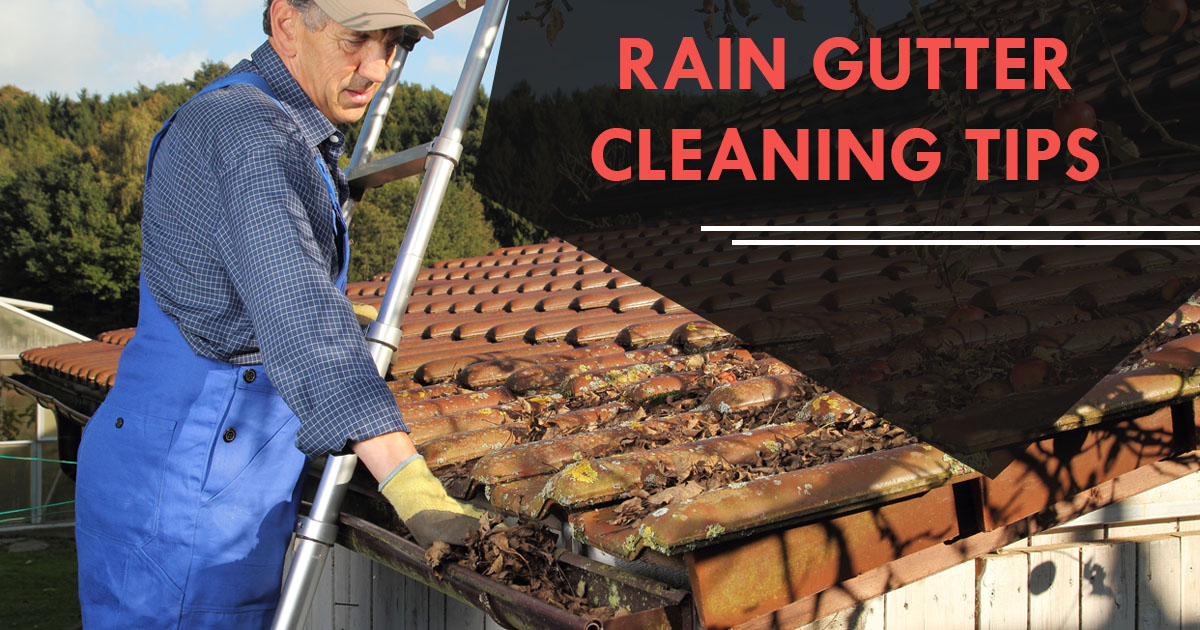
    [vc_row][vc_column][vc_column_text]Blocked drains are the most awful & unwanted situation anyone wants to be in. It is one whole of a messy scene, wherein you encounter dirt, debris, twigs, leaves and whole lot of different stuff that eventually result into clogged drains. Rain gutter must be cleaned at least twice a year, to avoid blocked drains.

    The infographics demonstrates the rain gutter cleaning tips & gutter maintenance tips. Which will help you out when planning to clean the rain gutters.

    When cleaning rain gutters safety is on a priority, it is suggested to use hand gloves to protect your hands from any kind of harmful bacteria and hazardous cut from any metal near the gutter. Also, ladder must be placed on an even platform with the ladder must be able to withstand the hardships.

    Gutter cleaning tips like installing gutter guards are important to be known by any one as ait can help you reduce the need to clean the gutter every now and then and result in lesser blocked drains.

    To stay out of this kind of bearings it is suggested to maintain the rain gutter regularly. Before cleaning the gutter make sure that downspouts are always cleaned and unclogged. Clear all debris regularly to avoid getting blocked drains. Checking for leakage must also be on priority.

    However, if there is any type of blocked drains, you can get in touch with us 24×7. BDS Drainage is a leading provider of gutter cleaning in London. We offer emergency drain unblocking in London who can help solve any problem with your drainage and plumbing system quickly and affordably.[/vc_column_text][/vc_column][/vc_row][vc_row][vc_column][vc_single_image image=”8226″ img_size=”full” alignment=”center”][/vc_column][/vc_row]

  • Tips to Prevent Frequent Drain and Sewer Blockage Issues

    Tips to Prevent Frequent Drain and Sewer Blockage Issues

    [vc_row][vc_column][vc_column_text]Drain and sewer system has become a very important part of modern domestic and commercial properties that we cannot live without. Our homes, hotels, offices, and institutions rely on them to dispose excess water and waste in an effective and hygienic manner. Unfortunately, drain care and maintenance has never been a priority for most property owners and occupants. As long as water is flowing out of the kitchen sink or the bathroom, drainage is the last thing to be bothered about.

    But wait until when something goes wrong with your drain, and things get out of hands. Faulty drain system can be a major source of stress and commotion in your home. If you have ever experienced clogged or blocked drains, you know how devastating and costly it can be, not to mention the safety and health risks. Though BDS Drainage can instantly help you in event of drain blockage emergency, preventing such problems is much better as it saves you from panic and future occurrences.

    The good news is that you can forget blocked and clogged drain problems, if you take the appropriate preventive measures. We have prepared simple tips to help you care for your drains and ensure that your family or tenants are safe at all times. But before we get there, it is important to understand the common causes of drain and sewer system blockage.

    Common Causes of Drain and Sewer System Blockage

    1. Unsuitable objects in the toilet drain and kitchen sinks

    Flushing materials that do not break or dissolve in water such as wipes, diapers and female hygiene towels is one of the major causes of toilet blockage, as they build up in the drain clogging the drainage pipes. Fat, grease, food particles and soap scum can accumulate on the walls of the kitchen drainage pipes eventually blocking them.

    2. Dirt, Hair, Soap Scum and skin Flakes in Bathroom Drain

    When you bath, the dirty, hair particles and soap scum flows through the bathroom drain, and can create a major problem when left to accumulate, reducing space for water passage.

    3. Foreign Material in the Drain

    These include object such as debris, stone particles, and leaves. They may find their way to the drainage. Also pouring paints and other litter into the drain system can clog the pipes and result to blockage.

    4. Tree Roots Penetrating Drainage pipe

    Roots of big trees can force their way into your drain damaging the pipe resulting into clogging and eventually blocking the drainage pipes.

    5. Pipe Freezing

    During winter, water can freeze in the pipes blocking the passage either partially or completely. If the appropriate maintenance measures are not taken on time, this freezing and melting process strains the pipes and may lead to permanent damage.

    6. Wear and Tear

    With time your drainage pipes wears out, especially if the proper maintenance is not done. This can lead to a fault within the system resulting to blockage.

    Six Simple Preventive Drain Blockage Care Practices

    [/vc_column_text][vc_single_image image=”8193″ img_size=”full”][vc_column_text]


    Want to Prevent Blocked Drains?
    Check this – 4 Ways to Prevent Blocked Drains


    • Use Plug Screen over the plughole

    This is simply some sort of a filter that traps items that can cause blocked drains. The plug screen can be used in kitchen sinks to prevent food particles and other debris and bathroom to prevent soap, hair and dirt from entering the drainage system. They are available in different sizes, so you need to purchase one that can fit on your plughole.

    • Avoid Washing Fats or Oils into the kitchen sink

    Unlike water and other liquids, oils and fats, though may be in liquid form, will quickly solidify and stick on the walls of the drainage pipes trapping more wastes. You therefore need to avoid such from getting down into the drain to prevent potential blockage. You may use a fat trap to dispose your waste fat and oil products.

    Dispose used fibrous material appropriately

    You should use a bin to dispose other wastes such as baby diapers, feminine hygiene wastes, cotton wool and cotton wipes among other items instead of flushing them down your toilet.

    • Restrain from Pouring Chemicals into the drains

    Paints, solvents, used engine oil and pharmaceutical products can corrode the drainage pipes resulting to damages. Thus, you need to dispose such items appropriately in compliance with the local environmental laws.

    • Water Softening

    In some places, water may contain natural minerals such as calcium and magnesium (hard water), which can accumulate inside the drains restrict passage. You may use electronic softeners of sodium to dissolve these naturally occurring minerals. You can talk to BDS Drainage for low cost sodium softener installation or fix an electric softener by yourself.

    • Keeping the drainage line clear

    Avoid planting trees near the drain/ sewer system to prevent root damages. This may also minimize chances of falling leaving getting down to your plumbing system.

    What if your Drain/Sewer System Still Blocks?

    The above six practices will minimize chances of experiencing drain blockage in your premises, but this doesn’t mean that blockage is not possible. Your drainage pipes can still block due to other causes ranging from poor maintenance to installation errors. Inspecting your drain system whenever you suspect a potential blockage, quick repairs and routine maintenance can help you further reduce the risk of block drains.

    Early Indicators of Drain or Sewer Blockage

    In most cases, your will observe early blockage warnings before it grows to a serious and uncontrollable problem. If you notice any of the following indicators, it can be a warning of an impending blockage:

    • Poor Water Drainage

    If water is taking longer to drain from the sink or the bathroom floor, it can be an indication of clogged pipes which could lead to blockage problem.

    • Bad Smell from Your Toilet and Sinks

    If you notice an odour coming in the premises, around the drain; the smell of sewage around the sewer outdoors could mean your drainage is about to block. However, you need to establish that the smell is not caused by anything else.

    • Small pool of water in the shower

    If you notice a small pool around your feet when showering, it is a strong signal of poor drainage which could be as a result of blockage of collapsed pipes.

    • Damp and Mould

    A block pipe may restrict flow of water forcing it to flow outside the pipe causing moulds on walls and floor surface around the drainage line or making the surfaces moist. You should always be keen to observe such occurrences.

    Regular Drain Maintenance Tips

    When was the last time you inspected or cleaned your drain? Maintaining your drain is one of the most effective steps of preventing blockages, giving you peace of mind and a sense of safety. Drain maintenance involves:

    1. Routine inspections

    Examining the condition of your drain and sewer system can help you identify potential problems to counter them before they occur. It is therefore important to always observe any abnormality in your sinks, bathroom, septic tanks, and other parts of the drain system or schedule regular inspection with a professional plumber.

    2. Drain CCTV Survey

    The bigger part of your plumbing system is hidden in the wall or underground, making it hard to notice a developing issue. Fortunately, with CCTV survey you can have a view of the whole system to spot any fault that needs your immediate attention. Drain CCTV survey may be useful under the following circumstances.

    • If you are living in an old property which is more vulnerable to drain blockage.
    • When you are buying a home which has had blocked drains in the past.
    • In case of recurring drain/ sewer blockage.
    • If you have not had any professional drain inspection for a long time.

    BDS Drainage CCTV survey can help you discover budding problems as well as keep an eye on previous repairs to avoid more damages and drain leaks, which can really mess up your property.

    3. Regular Draining Cleaning

    I know drain cleaning is an exciting task for you. It is not for every property owners, but it is vital to enhance safety, comfort and health in your home. Cleaning your drain can help in many ways such as:

    • Prevent future clogs and blockages.
    • Neutralize any unpleasant smells from the drains.
    • Make your home clean and safe for human living.
    • Prevent potential drain damages.
    One more important thing, how do you clean your drain?[/vc_column_text][vc_single_image image=”8194″ img_size=”full”][vc_column_text]• Using hot water – Fill the sink or the bath tub with hot (boiling water) and open the drain, so that the water can drain down the pipes with more pressure washing away stick substances on the pipe walls.

    • Using a mixture of baking soda and vinegar – You can mix around 50 ml of each substance and pour the fizzing mixture down the drain. Allow the mixture to last for at least 3 hours or overnight. Use hot water to wash down the accumulated substances which has been removed by the fizzing reaction.

    • Clearing mould, hair and food disposals – Using a drain brush, remove hair and mould on the visible area of the drain to prevent build ups which can cause serious problems. Also remove any food particles from the sink plug screen and flush down some cleansers such as caustic soda, baking soda and vinegar followed by a hot-water-rinse.

    • Cleaning the pipes – Though cleaning drain pipes should be left to professional plumbers, you can easily clean the pipes beneath your kitchen sink by opening the U-shaped pipe and removing any debris or dirt trapped in the pipes.

    • Professional draining services – For a thorough drain cleaning, you may need the services of a professional plumber once in a while to ensure that the whole system remain clean and fresh.

    4. Act on any issues as soon as possible

    Another key maintenance step is to take immediate actions as soon as you identify any signs of drainage issues. It is advisable to call a reliable plumber to help you determine the root of the problem and rectify the issues to prevent messy situations as well as repair any damaged part of the drain.


    Also Check:
    How to Unblock a Drain

    Conclusion

    In summary, though your drainage system is mostly out of sight, it should never get out of your mind. You need to observe signs of blockages to prevent more costly repairs as well as maintain your home safety and healthy. Additionally, learning and teaching your kids what to or not to flush down the drain can go a long way in reducing blockage risks, as well as save you money and time.[/vc_column_text][/vc_column][/vc_row][vc_row][vc_column][/vc_column][/vc_row]

  • Top 5 Plumbing Emergencies that requires professional plumber | Infographics

    Top 5 Plumbing Emergencies that requires professional plumber | Infographics

    [vc_row][vc_column][vc_column_text]At one point or another, most of us will come across a plumbing emergency at our homes. It is nothing but an uninvited trouble which can incite mental and physical pain and eat up your huge time and money if not handled properly. In addition, they can be a major embarrassment in front of your guests in the middle of your party or function. Taking pre-emptive measures will keep the trouble at bay, for instance, cleaning your kitchen drains regularly, insulating the going through the basement, so on and so forth.


    Need help? Speak to an expert now:

    08081 689 112


    These plumbing emergencies can surprise you anytime in the bathroom, kitchen sink, or in the toilet which can cause you major inconvenience if not diagnosed properly. You may enjoy taking up a DIY plumbing project but do not hesitate to seek professional help if you think it’s beyond your control, because it can cause major damage to your walls or expensive fittings.

    Having some plumbing tools like adjustable wrenches duct tapes, teflon tapes, at home is highly recommended as it can help you fix the problem temporarily until you find the permanent solution. Forced cup plunger and a plumber’s snake are another tools that will help you in case of blocked drains and toilets. In case of any major plumbing issue do call the nearest professional plumbing services at the earliest.[/vc_column_text][vc_single_image image=”8029″ img_size=”full” alignment=”center”][/vc_column][/vc_row]

  • How to Unblock a Clogged Shower Drain?

    How to Unblock a Clogged Shower Drain?

    None of us like to have dirty bathrooms and blocked drains in our house and prefer cleanliness and hygiene over anything else. But keeping up with our expectations of having clean shower rooms is not that easy. Often it is seen that people in the UK have complained about clogged drains and need to look out for services to clean the drains and save them the despair.

    Although cleaning and removing the blockage from the drains can be done through drainage expert service providers, we still need to know the small tricks which can save us the harassment of dealing with clogged drains at the first place.

    And so, before proceeding to the ways of unblocking a drain, we must know in brief about what causes the blockage and how we can prevent it from occurring. Let us know more about it below


    Need help? Speak to an expert now:

    08081 689 112


    What are the Causes of Drain Blockage?

    In most cases, the drain blockage occurs due to mishandling or improper maintenance of the drainage system. For example, people throw solid wastes in the shower or do not build a strong pipeline foundation when they make a drainage system. Also, the continuous usage of the shower essentials causes the clogs to double, like the soap scums or the skin flakes, etc.

    The hairs of both men and women still top the list of reasons of drain blockage as they are almost non-degradable and hence get stuck on the pipeline for a longer period. When you use a low-quality pipeline or do not take proper care and maintenance of it, the rusts also become responsible for preventing the water from passing moderately through the drain.

    Another very strong reason for less water inflow through the drain pipes is that the water strength is very low to push the wastes out of the pipeline. For that to stop, you must ensure heavy and strong water passage through the drainage so that it doesn’t clog the passage to entirety.

    How we can prevent it?

    The prevention of drain blockage includes not throwing such items in the shower which later on can create blockage problems. Also, one must focus on easy and simple techniques to carry on proper maintenance of the drains so that they don’t have to break their heads to find ways to unblock a drain.

    Ways to get rid of Blocked Shower Drains!

    If at all the drains of your shower gets blocked, here are some effective ways to get rid of it.

    • If you are comfortable with natural cleaning methods then you always have the option to opt for it. You might need a few natural substances like baking soda, boiling water and vinegar for the purpose. First, you need to pour the baking soda down the blocked drain followed by double the amount of boiling water. And then you should again pour baking soda, this time accompanied by vinegar of almost 1-2 cups. Also, ensure these mixes travel as far as possible so that they can naturally dissolute the clogs and free the drain of the blockage.
    • Apart from the natural means, there are chemical means through which the clogs can be removed. This is considered as one of the most common methods of sewer cleaning as because most of the times the blockage occurs due to the formation of heavy grease on the pipeline and when you use such chemicals or liquids that dissolute the grease, it becomes easy to get rid of the blockage faster.
    • Of late, the compressed air method has also become popular in and around the UK for unlocking the drains. The power and force that compressed air is comprised of have great ability to free the drain of the clogs that generally consists of hard wastes. When you know the compressed air through the opening of the pipe. It allows you to blow the accumulation of wastes to free the passage of water through the drain.
    • Much like the power of the air, we also know about the force of water and so, the option to use jet sprays for cleaning the drains of the clogs is also something that is preferred by the drain cleaners to unblock the drains.
    • When the blockage is not heavy and can be dealt with easily then you can use drain rods all by yourself to clean the garbage or solid wastes from the pipeline and make it free of the blockage.

    It is recommended that you opt for regular cleaning of the drains even if there is no sign of blockage as it ensures the prevention of blockages by a greater extent. Also, the natural means of cleaning must be carried out once a month or at least in alternate months to be sure of any kind of wastes accumulation on the pipeline. It is better to prevent the drains from getting clogged rather than finding ways to unblock it when it gets clogged.

  • 6 Tips to Prevent Pipes from Freezing | Infographics

    6 Tips to Prevent Pipes from Freezing | Infographics

    [vc_row][vc_column][vc_column_text]

    Frozen pipes are a major problem in homes located in regions with colder climates. A frozen pipe causes problems on multiple levels. Not only does it obstruct water supply but also increases the chances of a burst. A burst pipe needs extensive repairs and replacement and can cost hundreds of pounds, if not more. The infographic below touches upon a few answers on how to keep outside pipes from freezing.


    Need help? Speak to an expert now:

    08081 689 112


    That said, freezing is not limited to only pipes on the outside. There are cases where even pipes inside the home tend to freeze and burst. One way to get around this is by keeping the heat in your home turned on. This is important especially when you are away from your home for a week or more. But if you want a more energy-efficient way of preventing the pipes from freezing, consider investing in extra insulation. Insulation to prevent freezing is available in various forms. You can choose to install insulating sleeves for individual pipes or reinforce the walls that cover them. The measures outlined in the infographic below will help you prevent your pipes from freezing.

    However, if they do freeze or suffer a leak or burst because of the freezing, you can get in touch with us 24×7. BDS Drainage is a leading provider of plumbing services in London. We offer emergency plumbers in London who can help solve any problem with your drainage and plumbing system quickly and affordably.

     [/vc_column_text][vc_single_image image=”7979″ img_size=”full” alignment=”center”][/vc_column][/vc_row]

  • How to Waterproof Basement or Cellar Using Tanking

    How to Waterproof Basement or Cellar Using Tanking

    What Is Cellar Tanking?

    Cellar tanking (also known as Basement tanking) is the term used for the process of applying a waterproof layer that acts as a coating on the walls and floor of a cellar or basement. This waterproof layer acts as a water repellant that completely waterproofs your cellar, allowing it to remain dry when exposed to wet and moist conditions. Cellar and Basement tanking is a great way to waterproof your basement, If you ever decide to go through with a cellar conversion (or basement conversion).

    Cellar tanking makes your cellar waterproof, which is important if you want to use the room for any living activities. Tanking a basement reduces any negative health conditions you or your family may be exposed to if you plan on using your room for anything which will have people in there for long periods of time.


    Need help? Speak to an expert now:

    08081 689 112


    There are multiple ways on how to tank a cellar. Tanking slurry blocks have been described as one of the best and efficient basement tanking systems, as they block water and any other moisture from entering the basement, as opposed to other methods which only redirect the flow of water.

    BDS Drainage offers a premium cellar and basement tanking service. Visit our basement tanking London page today to arrange your free basement tanking valuation today.

    Why should you get Cellar Tanking?

    Cellar Tanking is a very important process that you should consider if you are thinking about investing in a basement conversion. It is extremely common to experience damp conditions in the basement/cellar of your home, especially in the seasons of the year where rain and the heavy downpour is common. The process on how to get rid of damp on the walls is a long and tedious one, which is why it is heavily recommended that you get cellar tanking as soon as possible. Tanking a Cellar acts as treatment, and a repellant for damp conditions, which is great if you have planned on using those areas of your home for practical reasons.

    The reason why your basement walls are so prone to damp conditions is that the walls of your basement/ cellar are below the level of the ground. This means that the moisture from the ground transfers through the semipermeable surface (the walls of your basement) in a process very similar to filtration or osmosis. Once the moisture has entered your basement, the walls get damp, which makes them the perfect breeding ground for fungi and bacteria. Conditions like this encourage the growth of mould in your property. Once the walls in your basement become damp, they become cold which allows the moisture in the air to condensate on the walls, creating wet walls, which also encourages mould growth.

    Having a basement conversion (cellar conversion) increases the immediate living space your property has, which allows you to do so much more with your home. But it’s important to always try and get the best standard of living you possibly can get. Basement Tanking allows you to enhance your home, without experiencing any of the health hazards that damp and mouldy conditions can put you though. Basement damp proofing is a great way to counteract these hazards, which will allow you to get the most out of your new cellar conversion.

    How does Cellar tanking work?

    There are multiple methods you can pursue when it comes to waterproofing a basement. The two options that are most common involve using a cavity drainage system, and basement tanking (also known as Cellar tanking). The method that we are going to explore in this post will be that of Cellar tanking.

    The aim of cellar tanking is to keep the basement or cellar as dry as possible but not allowing any moisture in from the outside. It also helps the cellar walls and floor remain warm enough to minimise any form of condensation, which will cause moisture to form on the inside of the basement.

    Basement tanking is known to be a prefered option compared to using a cavity drainage system when it comes to waterproofing a cellar. This is because it completely prevents water from entering, rather than just transporting the water to a different location.

    How To Mix Tanking Slurry

    When mixing tanking slurry, it is important to keep yourself protected at all times, as getting tanking slurry in your eyes can cause unwanted issues. The tanking slurry has a dangerous level of alkalinity, and when it’s in its powdered state, it is easy for it to make contact with your eyes and skin. Make sure you are wearing goggles, gloves, a full cover facemask and appropriate protective clothing. Do not inhale the tanking slurry powder either, as it may cause complications with your lungs.

    A high number of tanking slurries comes in a powdered state, which requires you to mix on site. It’s important to follow the manufacturer’s instructions when mixing the slurry, as each slurry has different requirements and prerequisites. Tanking Slurry, when not used becomes unusable after around 40-50 minutes, so it’s important to only mix an amount that can be used within this time constraint.

    When Tanking cellar walls, it is important to start by adding the necessary quantity of water to a good, sturdy mixing vessel. It is important not to use a cement mixer, as this does not get you the right texture of slurry for tanking cellar walls.

    Steadily add the slurry powder to the water in the mixing vessel, whilst you are mixing the water. Once the powder has been added, continue mixing for around 3 minutes using a plaster mixer, to give it a consistent rotation, giving you the desired texture. You should expect the texture of the slurry to come out like a batter like substance. Let the slurry set for approximately 1 minute, before remixing.

    Cellar/ Basement Tanking Process using tanking Slurry Explained

    Stage 1

    Prepare the surfaces

    The first stage of using the tanking slurry to waterproof a house involves preparing the targeted surfaces before any slurry is applied. You will also need to make sure there are no items obstructing the walls, so you’ll need to move all the items that may be obstructing your accessibility. This includes old dressers, shelves, wardrobes and other miscellaneous items.

    Once this is done, you will need to remove any plaster and other previous coatings such as paint, wallpaper, insulation etc. This should take you to the original wall (masonry), which is where the process of slurrying will start.

    Make sure there is no unwanted residue like dust, debris and make sure to fill in any existing holes you encounter. Doing this makes the process of applying the layers easier and means that you are less likely to encounter any issues when carrying out your basement tanking.

    It has been recommended that, if you have, or are experiencing any issues due to excessive levels of salt (from rain and the soil), that you should use a “salt inhibitor” on the afflicted areas. Salt inhibitors are additives added to mixes when applying plaster or slurry to a wall which has been affected by damp. The salt inhibitor acts as a remedial damp proofing solution, which helps hinder natural salts from compromising the basement tanking.

    Stage 2

    Observe wall for any seepages

    When you have stripped the wall of all materials, you’ll need to keep an eye out for any water or moisture seeping through the walls. If you notice any water seepage, or any other liquid or moisture seeping through the surface, then you will need to stop the flow by filling in the source.

    Stage 3

    Create a reinforced junction between the wall and floor

    When tanking a basement, it is always important to apply the basement tanking coating as if you were creating a completely waterproof and water resistant box that prevents water from coming into the cellar. It has been noted that from this waterproof box, the areas where the wall and floor create an angle are the weakest part of the coating.

    The best way to tackle the weaker areas of the slurry coating is to create a wall floor junction. The best and easiest way to do this is to:

    At the junction between the wall and floor, chase out the ground surface to a minimum of around 20mm x 20mm, cutting into the wall if you can. Flush the chase and remove any debris that is left over. Whilst the chase is still fairly damp, apply a single coat of basement tanking slurry around 100mm on the wall vertically, and the same across the floor. As the tanking slurry is setting, apply “Fillet Seal” over the slurry and chase you created, which should create a concave arch-like surface, spreading from the wall to the floor.

    Applying Cellar Tanking to a wall

    It is important to remember to apply your cellar slurry to surfaces which are damp, and to avoid applying it directly to a dry surface. If the walls in your basement or cellar are dry, make sure to make them damp. You could do this by spraying water onto the surfaces, make sure the wall isn’t dripping wet, however.

    With basement tanking slurry, it is recommended to use at least 2 layers of the slurry to get the best results. The first layer needs to be applied directly to the bare brick walls (masonry), and the second layer should be applied approximately 2-24 hours.before you apply this coat, however, it is important to make sure that the first layer is dry enough to be able to apply a layer on top of it without it peeling off. The layers should be applied on opposite strokes to the layer beneath ( first layer horizontal, second layer vertical). It is important that the second layer is applied within 24 hours of the first coating, even if the first layer still has a damp feel towards it.

    Applying Cellar Tanking to a Floor

    Applying cellar tanking (basement tanking) to a floor is similar, but a different process to applying it to a wall. It has been strongly recommended that you always tank the basement floor after you tank the basement walls.

    Applying slurry to the basement/cellar floor is similar to the walls, applying two layers and making sure you alternate the stroke direction between them. The main difference comes when you finish tanking a basement floor. It is always important to protect the basement tanking coating. This can be done by applying “floor screed” to the surface.

    Cellar Tanking Slurry Curing

    Once you have applied the second layer of the basement tanking slurry, it is important to let that layer cure properly. This process can take around 24 to 72 hours to fully cure. Sweating is a process that you may experience when allowing your slurry to dry. What this is, is water vapour condensing on the cold surface of the dry slurry. It’s nothing to worry about, it’s just something that can happen in regards to the amount of ventilation the basement or cellar has.

    Cellar tanking decoration

    Once you have applied and let your basement tanking slurry dry, you can now look to getting the room decorated. It is important to add a render to the basement 24 hours after the slurry dries before you continue with the decorations, however. We recommend using PermaSEAL tanking and PermaSEAL renovating plaster. Once the render coat has been added, you are now able to use plasterboard, and in some cases, a multi finish can be also used. Although you can, BDS Drainage and other credible sources do not recommend painting directly onto the tanking.

    BDS Drainage recommends that you avoid using any Gloss paints, wallpapers, and Vinyl emulsions, as these all can trap moisture underneath, which stops the basement tanking (cellar Tanking) from doing its job. This can cause further problems.

    How much does Basement Tanking Cost?

    Basement tanking costs do vary depending on multiple factors. One of these factors includes the size of the room you plan on tanking. Another factor that could affect cellar tanking costs could be the extent of the amount of mould that is currently present in your cellar or basement.

    PermaSEAL tanking slurry is an effective product that is highly recommended at BDS Drainage. It comes in 25 kg buckets and costs around £30-£35 depending on what type you get. With this amount, you can expect to cover around 12m squared. For a DIY basement tanking job, you are probably looking at a ballpark figure of around £500-£600. If you wish to enlist the help of a professional slacking company, contact BDS drainage today! Contact us today to receive a free basement tanking quote tailored to your property now!

  • All about the London Thames Tideway Tunnel Project

    All about the London Thames Tideway Tunnel Project

    [vc_row][vc_column][vc_column_text]

    The Thames Tideway Tunnel is easily among the most important civic projects taken up in the history of London. Also known as the ‘super sewer’, the Thames tunnel in London has been designed to accommodate the sewage that overflows into the Thames. The size of the tunnel has been a talking point among the London residents. Once finished, the tunnel is expected to be over 7 metres in diameter, 25 kilometres in length and up to 65 metres deep.

    The Thames Tideway Tunnel map (you can find the full map here) will chart a course that begins from Acton and stretches all the way up to Stratford’s Abbey Mills Pumping Station. More importantly, and this is where the engineering complexity of the London tunnel project becomes apparent, the tunnel will almost entirely be under the Thames river. It will also link to the other major London public works project, the Lee Tunnel. No wonder then that the Thames Tideway Tunnel news has been dominating the airwaves of late.

    [/vc_column_text][/vc_column][/vc_row][vc_row][vc_column][vc_single_image image=”7874″ img_size=”full”][/vc_column][/vc_row][vc_row][vc_column][vc_single_image image=”7875″ img_size=”full”][/vc_column][/vc_row][vc_row][vc_column][vc_column_text]

    Environmental experts agree the new London sewer will be a lifeline for the Thames, and the flora and fauna it is home to. Several million tonnes of sewage are released into the Thames almost every week, which has caused the river’s pollution levels to rise alarmingly.

    But how exactly will the Thames Tideway Tunnel project help? Why are things the way they are now? How much will this tunnel cost the taxpayer? For answers to those and many more questions, read on.

    Why does London need the tunnel?

    The new Thames tunnel is needed because the current system falls short of London’s requirements. The existing system consists of several sewer lines running underneath central London. Apart from regular waste water, storm water also drains into this system. This is mostly not an issue, except when there are very heavy rains. Heavy rains cause the sewer lines to become full quickly, thus leaving little to no space for regular waste water. But rather than flooding streets and entering homes, this waste water is channelled towards the Thames by an overflow mechanism.

    This overflow mechanism comprises close to 60 CSO (combined sewer overflow) sites through which excess sewage water flows into the Thames. These sites, and the entire London sewage system, date back to the Victorian era. Back then, the engineers expected the sewer system to overflow no more than 10-12 times in a year. Today, however, the system overflows into the Thames almost 60 times in a year. These CSOs do not just contaminate the Thames beyond acceptable limits but also put London in violation of the EU’s Urban Waste Water Directive.

    But why do the sewer lines overflow often?

    The reason for the frequent overflow of the sewers can be divided into two parts. Firstly, the amount of waste water flowing into sewer lines from London’s homes has been increasing over the years. Secondly, there has also been an increase in the amount of water that enters sewer lines during heavy rain.

    More waste water is a result of London’s increased population. Constructed in Victorian times, the London sewer system is capable of handling only half the city’s current population. However, there is also another aspect at work here. London has grown tremendously and extends over several new suburbs that use their own sewage systems, i.e. a growing population is only one reason for the increased overflows from London’s CSOs.

    The other reason is that London has been massively paved over in the last hundred years or so. This, along with disappearing green spaces and dried-up natural water streams, has led to a situation where very little water seeps into the ground. Earlier, it would take a really big storm for the water to enter the sewer lines and cause an overflow into the Thames. But now, even a mild spell of rain causes the London sewers to fill up quickly and run-off into the Thames.

    How will the new tunnel help?

    The Thames Tideway Tunnel route is designed to capture sewage from over 30 CSOs before it drains off into the Thames river. The discharge point of each CSO will be linked to the new Thames tunnel, which ensures the waste water will not end up in the river. After capturing the waste water, the tunnel under the Thames will pump it to the Beckton sewage treatment plant. The clean water obtained after treating the sewage will then be discharged into the Thames.

    Are there any other benefits to the Thames tunnel?

    London’s existing sewer system is of 19th century vintage. Its population back then was roughly two million. Today, the number of permanent residents in London has long crossed the eight million mark and the day where it becomes ten million is not far away. Simply put, the existing sewer system is not capable of dealing with the city’s sewage needs on its own.

    Moreover, the ill-effects of untreated sewage released into the Thames are manifesting in various ways with every passing day. Several hundred cases of pollution incidents are reported every year. It is not unusual for rowers and other recreational users of the river to complain of infections and illnesses because of the polluted water.

    The pollution also affects the river’s flora and fauna in a major way. The untreated sewage, especially during summer storms, can lower the water’s oxygen levels which can lead to thousands of fishes dying.

    This is where the Tideway tunnel comes in. By intercepting the sewage that would have otherwise ended up in the Thames, the London Tideway tunnel will lead to a cleaner and healthier Thames.

    The project is also generating a lot of jobs. More than 4,000 Thames tideway tunnel jobs are expected to be created directly. A cleaner and livelier Thames will also have a positive impact on the tourism industry. The local fishing industry will be another beneficiary of the project as the river will retain its status as one of the principal nursing areas for several North Sea species.

    It’d be safe to say that the Thames Tideway Tunnel project will affect the life of every Londoner in a meaningful way.

    How much will this cost?

    As one of the city’s largest and most complicated public projects, the Thames sewer is bound to cost a fair bit. The final Thames tideway tunnel cost is estimated to be around £4.5 billion. Thames Water, which is the company that fulfils London’s water and sewage treatment requirements, is passing on this cost to its customers. London residents can expect regular increases in their water and sewage bills up to the year 2020.

    However, Thames Water is not building the tunnel. Instead, it will be built by the Tideway Company. Thames Water, as such, will pay Tideway to build, operate and maintain the new Thames Tideway Tunnel.

    When will the tunnel be ready?

    The Thames Tideway Tunnel construction is already underway. The plan got regulatory approval back in 2014 while the finance for the project was secured a year later in 2015.

    The Thames tunnel construction itself began in 2016. The actual tunnelling work (using tunnel boring machines) started in 2017. Building the entire tunnel and other associated works is slated to be completed by 2023.

    BDS Drainage is a business that offers various drainage and plumbing related services in London. Over the years, as we helped clear blocked drains and execute projects that involved gutter cleaning in London, we often lamented how the city’s functional but old sewage system could use a nice shot in the arm. The Thames Tideway Tunnel is exactly that and promises a better future for London’s residents and the River Thames.

    [/vc_column_text][/vc_column][/vc_row]

  • How to Unblock a Drain

    How to Unblock a Drain

    [vc_row][vc_column][vc_column_text]Is your sink draining slowly? Or does a pungent smell come from your drains? Well, this may be due to a blockage of your drain. The outdoor drain pipe performs an essential function in transporting sewage and wastewater from your home to the sewer line. So, when this vital pipe becomes blocked, a lot of problems can surface. This post will help you understand how to unblock a sewage drain and identify the ways you can go about it.

    Blocked drainages are what most homeowners dread. Most people start by searching ‘how to unlock a drainpipe on every search engine or contacting an outside drain unblocker. But you should know that there are several DIY methods you can use to clear a blocked drain services. You will surely get your hands dirty and smell terrible things, but if it saves a couple of pounds in the process, then you should not turn your nose up at it (pun intended).


    Need help? Speak to an expert now:

    08081 689 112


    And if you are pondering on how to clean outside drains, then this is a guide you will find useful. Now, let us explore how to clear a blocked drain outside by yourself.

    “My outside drain is blocked!!”

    We get a lot of calls from frustrated people saying ‘My outside drain is blocked!’. But to unclog an outside drain by yourself, you would need to find out what the cause of the drain blockage was in the first place.

    It is important to do this because each drain blockage has a different cause. For example, kitchen sinks get clogged with grease, food particles or oil, for a bathroom it may be soap or hair, and a toilet drain can be blocked by something that seems so harmless like toilet paper.

    The drain outside the house is not exempted either. It may be blocked by soap, grease, domestic items or combinations of those items. Your leaves, silt, grease, dirt or other outdoor debris can cause your external drain to get blocked.

    So how does one decipher whether their outside drain is blocked by soil, mud, dirt or any other outdoor debris?

    Things You Will Need to Unblock the Drain

    Before we learn more about how to fix a blocked drain, there are a few things you’ll need for the purpose. These include,

    • Rubber gloves: Drains are dirtier than what you have imagined them to be. It is also as smelly as it is dirty, and that is why a good pair of rubber gloves would always be handy when going through a drain.
    • Rope: A rope is quite useful in removing a drain’s cover when you need to unblock a drain pipe.
    • Waste bags: Transporting the debris to the waste bins is also very important. That is why you will need some waste bags.
    • Drain rod: Another important piece in the ‘how to clear a blocked drain puzzle’ is the drain rod. They are used to dislodge a drain blockage and are available in local stores. You might want to get two or more, just in case something happens to the first.
    • Bleach: After clearing the blocked drains with your drain rods, it is necessary to clean up the drain. Bleach is an excellent outdoor drain cleaner, and it helps to remove the drainage smell as well.
    • Caustic Soda: Chemical drain unblockers are useful substitutes to the conventional manual process of unclogging a drain with a drain rod. However, you will never know when your blocked outside drain will require caustic soda, but homeowners use it as their last resort.
    • Garden Hose: After removing dirt from your drain, you may need to use water to clean it up more. Garden hoses will help you transport the water from the source to the drain.

    How to unclog an outside drain (Removing The Drain Cover)

    Remove the drain cover: Every outdoor water drain has a cover used to secure it. You could use a screwdriver or other strong metal tool to open it forcefully. Some covers have a handle for you to grab when removing them quickly. However, if the drain has been closed for an extended period, then it will be difficult to remove the cover. In those cases, you could use a rope to open the drain.

    • Take a look at what is happening inside

    When you take a look inside your drain and begin to ask yourself questions like ‘Should there be water in my outside drain?’. Then we have got a problem. If the chamber is holding water instead of draining it away, then you can conclude that somewhere after the drain chamber is clogged. Usually, a clogged soil pipe is the cause, but other things can also cause a blockage. But, there’s just one way to be certain. Search for a full chamber on a side and an empty chamber on the other side and when you find it that is the location of your blockage.

    • Use Drain Rods

    Manually using a drain rod is perhaps the best way to clear blocked drains. It is a useful outside drain unblocker tool that you can easily purchase in local stores or online. After locating the blocked chamber (which is where your blockage is), thrust the drain rods into this chamber until the blockage is removed. When pushing the drain rod, rotate it clockwise because this helps to dislodge the blockage properly. Nevertheless, try not to turn it anticlockwise because the plunger attachment may be unscrewed. Repeated thrusting of the rods will loosen the blockage and cause it to dislodge.

    • Clean all that is left

    Even after clearing the blocked external drain, there may be some debris that could lead to blockage again. Therefore, clean all that is left of the debris and blockage. An easy tip you can use is to water the debris. To check if the drain is now working correctly, open all taps in your house for a while. If the water is draining, then you have done an excellent job. Before you close the taps, put the drain cover back and pour a small amount of bleach into the drain. Bleach is an excellent outside drain cleaner as it removes all grease and muck, and removes the smell of the drain. A close substitute you could use instead of bleach is an external drain unblocker liquid that is readily available in local stores.

    While this process should rid-off most exterior drainpipe blockages, others might prove stubborn to remove. If you have such blockage in your drain, then it’s time to bring out to the big guns. Get in touch with our specialists if you are fighting a losing battle against your blockage, BDS Drainage operate all throughout the South East of the UK;

    External Drain Unblocker

    Caustic soda is one of the best chemical drain unblockers to use when unblocking a drain. After mixing, pour the solution in the outside blocked drain or any other place in the house where there is a blockage. It is that simple.

    Another alternative outside drain unblocker method that is available is to remove the drain pipe and thoroughly wash it with CCTV Drain Surveys to detect the problem. Also, you could contact a professional plumbing service if you do not feel capable of unblocking your drain alone.

    How to unblock an outside drain with caustic soda?

    Caustic soda is a useful external drain unblocker that can be bought at a low price from local stores. It is also an excellent chemical that is used to unclog outdoor drain systems. But how does this chemical unblock drains?

    Caustic soda is a very corrosive chemical. It will react vigorously with hair, dirt, food and any other material it comes in contact with. After the vigorous reaction, it will dissolve the debris leaving only particles behind. With the chemical having such destructive effect in indoor drains, it is quite obvious what it will do to the debris of an outside drain within minutes.

    Unblocking drains with caustic soda is simple, and can be carried by following these steps;

    • Dilute cups of caustic soda in a large bucket of cold water.
    • Stir the mixture of water and soda with a stirrer or wooden spoon. Do not use a metal spoon as the caustic soda will react with it.
    • As a precaution, do not utilise these stirrers or containers for cooking, other related purposes. Be cautious, and do not use your hand to stir the soda-water mixture.
    • As you stir and mix the two components, a fizz and heat should be noticed.
    • Next, pour the solution into the blocked outside drain
    • After a couple of minutes, the debris should rise to the top.
    • Remove the debris from the pipe and pour water to rinse the drain.

    Are you have trouble unblocking your drains with caustic soda? Contact us below for more help.

    How to clear a blocked kitchen drain outside?

    Kitchen drains are the most common drains in any homes to get blocked. Most people prefer to outsource the unblocking of these drains because of the debris they usually find in them. Nevertheless, you may still choose to unblock the kitchen drain yourself if the smell or dirt wouldn’t bother you. A few methods you can take unblocking your outside kitchen drain yourself are;

      • Pour water: Fat is the most common debris people find in their kitchen sink. When they solidify, they can cause a blockage. Pour a bucket of hot water into the sink to melt the blockage.
      • Use power washers: Power washers can be used to blast right through any kitchen blockage. But a power washer would not be useful if the obstruction is too deep down the sink or too strong.
      • Use baking soda: This chemical is one of the best methods in every ‘how to unblock waste pipe guides,’ and the reason is apparent. Baking soda is a natural, readily available and safe chemical for unblocking kitchen drains. Add a few cups of baking soda to vinegar and then pour down the drain. Leave the mixture for about thirty minutes, then pour boiling water. This should remove the blockage.

    Need help? Call our office and we can have a engineer out to you quickly at an affordable price.

    08081 689 112


    • Don’t use your hands: It sounds quite obvious, but most people do not know that an easy and effective way of removing clogs from the sink is by using a rubber-gloved hand. Do not forget to use your gloves because you wouldn’t want your hands to get dirty. Pour in some power wash later to remove the debris.
    • Use Caustic Soda: The should be your last resort before calling a professional if all other methods above fail. Make use of the chemical following the steps outlined above.

    How To Prevent Drains Clogging?

    You can ensure that the drain pipes outside your house do not get clogged by protecting the entrance of the following into the drainage system;

    • Fats, oils & grease (FOG)
    • Nappies & pads
    • Wet wipes
    • Applicators, tampons & wrappers
    • Sanitary products
    • Condoms
    • Bandages & plasters
    • Razor blades
    • Medicines & syringes
    • Dental floss
    • Hair
    • Cotton buds

    Best Drain Unblockers

    Some drain unblockers with the best reviews on Amazon include;

    • Caustic Soda Powder
    • Buster Bathroom Plughole Unblocker
    • Hair Grease Remover for Drains
    • Hg Liquid Drain Unblocker
    • Mr Muscle Kitchen and Bathroom Drain Gel

    We will take no responsibility for the failure or success of the products we have listed above. They have only reviewed highly rated by customers on Amazon. (We highly recommend that you call us to get the best drain unclogging service that you can get).

    You could also buy a drain-screener or a drain-gate which blocks debris like scum, food particles, soap, and grease going down the drain. Lastly, ensure that your pipes are frequently cleaned. Once in a while, pour hot water, drain cleaners or even some detergent down the drain. As simple as this routine task is, it will keep the drain clog-free and clean for several years. You may also use bleach to keep the sink smelling fresh. Minimising the debris that gets into the drains helps to decrease the possibility of outside pipes from getting clogged.

    Always keep in mind that prevention is better than cure. It is better to do that the things that you can prevent than to pay a lot of money and still get the same effect.

    Lastly always use a professional if you are unsure on how to unblock a drain and need a professional drainage company then feel free to contact us today for more advice:

    [contact-form-7 id=”6″ title=”Contact form 1″]

    Not Sure Where Your Drain Blockage Is? – It Might Be Time For A CCTV Drain Survey!

    Our specialists can diagnose your drainage problems using state of the art drainage camera equipment, call us today for;

    CCTV Drain Surveys London | CCTV Drain Surveys Essex | CCTV Drain Surveys Kent | CCTV Drain Surveys Surrey 


    how to unblock a drain

    Blocked Drains London | Blocked Drains Kent | Blocked Drains Surrey | Blocked Drains Essex

    [/vc_column_text][/vc_column][/vc_row][vc_section disable_element=”yes”][vc_row el_class=”blog-popup”][vc_column][vc_column_text]

    [/vc_column_text][/vc_column][/vc_row][/vc_section]

  • How to Unblock a Drain Using Caustic Soda?

    How to Unblock a Drain Using Caustic Soda?

    Although fairly common, a blocked drain is enough to drive most people to their wit’s end. An obvious recourse in such cases is to call on the plumber and while that’s a sensible option, there are certain things that you can do yourself to unblock a drain.  The vast majority of blocked drains are caused by jammed up debris like hair, food particles and other unwanted materials. Natural drain cleaners are often ineffective at removing this debris completely, which means chemical-based cleaners are your best option. Here we look at one such cleaning agent, caustic soda, and how to use it to unblock drains in your house.


    Need help unblocking your drain? Speak to an expert now:

    08081 689 112


    What is caustic soda?


    The chemical name of caustic soda is sodium hydroxide (NaOH) and it’s also known as lye. The name caustic soda is derived from the material’s origins as a sodium hydrate and it’s called caustic because, well, it’s highly corrosive in nature. It’s the last bit that is of most interest when we talk of unclogging blocked drains.


    Caustic soda causes a chemical reaction when it comes into contact with organic materials like dirt, food, hair etc. These are also ingredients that account for a majority of drain blockages. Caustic soda can also be easily dissolved in water, which is one reason why many drain cleaning services use it as the first line of offence in the battle against blocked drains. Commercial grade cleaners, however, have a higher concentration of caustic soda compared to the ones meant for domestic use.


    How to use caustic soda for cleaning & unclogging drains?


    In its purest form, caustic soda is available as a white coloured waxy solid. However, it’s the powdered or liquid form that is used for clearing a blocked drain. You can buy powdered/liquid caustic soda at any neighbourhood hardware store. Once you’ve bought it, follow the below-explained steps.


    • Take a large bucket and dilute 3 cups (750 ml) of caustic soda in 3 litres of cold water.
    • Use a wooden spoon or stirrer to mix the soda and the water.
    • Do not use these containers and utensils for any cooking-related purpose later on. Also, avoid using your hands to stir the mixture.
    • As you mix up the two, you should see a bit of fizz and some amount of heat.
    • Now pour this solution straight drown the blocked drain and let it sit undisturbed for 30 minutes.
    • Now boil 4 litres of water and use it to flush the drain.
    • If the block persists, you can repeat this procedure a couple of times.


    Considerations when using caustic soda


    Although highly effective, using caustic soda to clear blocked drains is not without its share of challenges. The biggest risk it poses is to your health and safety. Caustic soda’s corrosive nature, while a boon when trying to get rid of difficult blockages, can lead to vision impairment. At the very least, direct contact can create a burning sensation and swelling in the eyes and the skin. The consequences of ingesting it are far more serious. From chemical burns to gastrointestinal ulceration and even death, caustic soda’s effects on health can be devastating. If you have decided to use caustic soda to clear a blocked drain, do so after wearing full protective equipment. When you are done using the caustic soda, secure it properly and store it out of the reach of children.


    You can procure caustic soda from most hardware shops or stores that specialise in selling commercial-grade cleaning products. The concentration of the caustic soda sold by these stores ranges from 50% to above. However, you don’t need such a high concentration to dissolve the average drainage debris. But if you still intend to buy highly concentrated caustic soda, be careful of its corrosive nature and use and store it appropriately.


    If you are faced with a blocked drain, do not go for caustic soda as the first measure. Most drain cleaning products contain just enough caustic soda to get the job done. Periodically using these products is more than adequate to keep your drains flowing freely. Having said that, do consult a professional plumber once before buying high concentration caustic soda if conventional drain cleaning products fail to clear your drain blockage. Often, the risk of using something like caustic soda far outweighs the price you’d pay for a professional and efficient plumbing service.

    Caustic Soda method didn’t work? – Call our Drain Unblocking Specialists Today!

    Drain Unblocking London | Drain Unblocking Essex | Drain Unblocking Kent | Drain Unblocking Surrey