Category: blocked toilet

  • Blocked Toilets and Sinks: Emergency steps before calling a drainage engineer

    Blocked Toilets and Sinks: Emergency steps before calling a drainage engineer

    Let’s be honest: discovering a blocked drain is grim. It’s inconvenient, a bit panic-inducing, and it always seems to happen right before you have guests round or at the end of a long, exhausting day. You are staring at a bowl of rising water and wondering if it’s going to overflow onto your lovely bathroom floor.

    Take a deep breath. Before you grab the nearest chemical bottle and hope for the best, there are a few safe, immediate steps you can take to limit the mess and hopefully clear the blockage yourself.

    In this guide, we’ll walk you through exactly what to do when panic strikes. We’ll show you a few easy DIY methods, point out the things you definitely shouldn’t do, and help you decide if it’s a quick fix or a job for the professionals. And if it turns out to be an absolute emergency, don’t worry. Our team is available 24/7 across London to sort it out for you.

    First things first: stop the situation getting worse

    Your immediate goal is to prevent a flood, minimise any contamination, and protect your property.

    For a toilet, the most important rule is to stop flushing. If the water level is already high, flushing again will only send waste spilling over the rim. Instead, carefully lift the lid off the cistern and tie up the float valve to stop the tank from refilling. Alternatively, turn off the isolation valve located on the pipe behind the toilet.

    If you are dealing with a sink, immediately turn off the tap. Grab a bucket or some old towels to catch any drips, and clear out the cupboard underneath to protect your belongings. It’s also incredibly important to unplug any electrical appliances nearby to avoid a serious safety hazard.

    Finally, a quick note on hygiene: pop on some rubber gloves, open a window to ventilate the room, and keep pets and kids well out of the way.

    Quick checks to work out what kind of blockage you’re dealing with

    Before you start plunging, do a bit of quick detective work. Diagnosing the scale of the problem can save you a lot of wasted effort.

    Start by checking if the blockage is isolated. Is it just one sink or toilet playing up, or are multiple fixtures draining slowly? If your bathroom sink gurgles when you flush the toilet, or if water backs up into the shower when the washing machine runs, you are likely dealing with a blockage further down your main drain.

    You should also check outside. Have a careful look at your outside gully or manhole. If you can see water overflowing, the obstruction is in the exterior drainage system. A local trap blockage (like a clump of hair right under the plughole) is easy to fix yourself. A main drain obstruction, however, almost always requires professional equipment.

    Emergency steps for a blocked toilet (the least glamorous section)
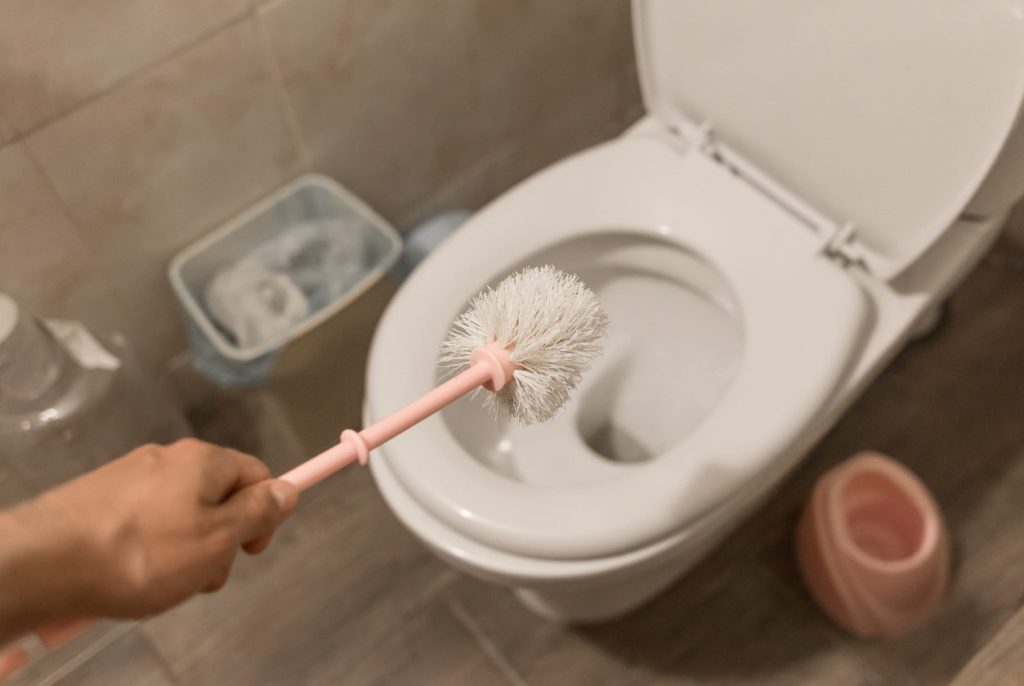
    toilet brush

    Dealing with a blocked toilet is nobody’s idea of a good time, but sometimes a simple DIY approach is all it takes. If you need a blocked toilet London fix, here are the safest methods to try.

    The hot water and washing-up liquid method (gentle first)

    If you don’t have a plunger to hand, this is your best starting point. Squirt a generous amount of washing-up liquid into the toilet bowl and let it sit for about ten minutes. The soap acts as a lubricant to help loosen the blockage. Next, pour a bucket of hot (but strictly not boiling) water into the bowl from waist height. The pressure and heat can often push a minor blockage right through. Never use boiling water, as the sudden temperature change can crack the ceramic pan.

    Using a toilet plunger properly (technique matters)

    Not all plungers are created equal. For a toilet, you want a flange plunger (the one with the extra piece of rubber sticking out the bottom), rather than a flat cup plunger. Ensure you get a tight seal over the waste hole, then push down gently to push the air out. Pull up vigorously to create suction. It’s the pulling motion that actually dislodges the blockage, so be patient and repeat the motion a few times.

    Toilet auger (if you have one)

    A toilet auger (or plumbing snake) is a flexible wire tool designed to navigate the U-bend. Feed the cable down the pan until you feel resistance, then turn the handle to break up the blockage or hook it so you can pull it out. Be incredibly gentle to avoid scratching the ceramic.

    What not to do

    Please don’t mix different chemical drain unblockers. This can create toxic fumes and even cause a dangerous chemical reaction. Avoid using wire coat hangers, as they will aggressively scratch your toilet and often just compact the blockage further. Finally, if you’ve poured a chemical unblocker down the pan and it hasn’t worked, leave it alone.

    If the water is backing up rapidly, or you’re in London and simply need help now, give us a call. We carry the right gear to clear stubborn blockages safely, and we never charge a call-out fee.

    Emergency steps for a blocked sink (kitchen and bathroom)
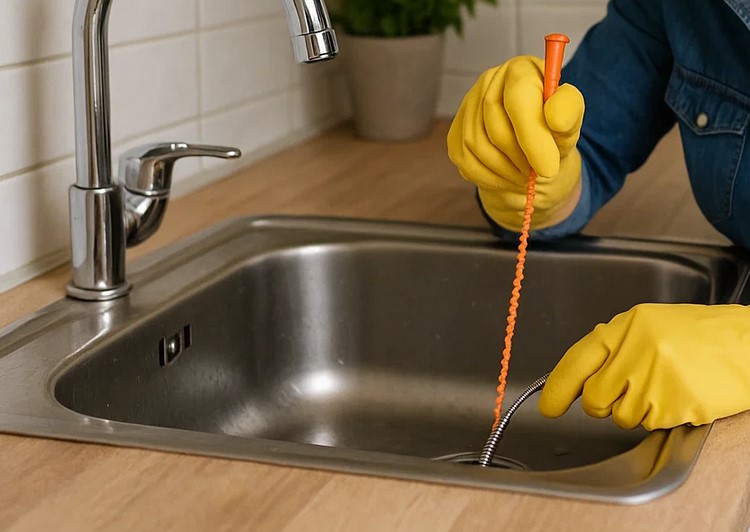
    drain snake for unclog kitchen sink

    A blocked sink is usually caused by an accumulation of daily grime. If you’re looking for a quick blocked sink fix UK, try these steps before calling for backup.

    The obvious-but-easy wins

    Start by removing any visible debris from the plughole. In the bathroom, this usually means pulling out a clump of hair and soap scum. In the kitchen, check the U-bend (the curved pipe under the sink). Place a bucket underneath, carefully unscrew the joints, and empty out the sludge. Wash it out in another sink, screw it back tightly, and test the water flow.

    Boiling water (when it helps, when it doesn’t)

    For a kitchen sink blocked by cooking fats and grease, a kettle full of boiling water can work wonders. Pour it slowly down the plughole to melt the grease. However, if your plumbing uses cheap plastic pipes, stick to hot tap water to avoid softening or damaging the seals.

    Bicarb and vinegar (mild approach)

    This old-school trick is great for mild build-ups and bad smells. Pour half a cup of bicarbonate of soda down the plughole, followed by half a cup of white vinegar. It will fizz quite a bit. Leave it to work its magic for twenty minutes, then flush it away with hot water.

    Plunging a sink

    If you are going to plunge a sink, use a standard flat cup plunger. Crucially, block the overflow hole with a wet cloth to ensure you create a proper vacuum. Form a tight seal over the plughole and plunge vigorously up and down.

    If the dishwasher or washing machine is backing up

    If water is coming up into your sink while an appliance is running, the restriction is further down the shared waste pipe. This usually points to a larger, hardened blockage of food debris, lint, and grease that a simple plunger won’t fix.

    If your sink keeps re-blocking despite your best efforts, it’s time to stop guessing. Our team can properly diagnose the underlying issue—often using a CCTV drain survey to see exactly what’s going on underground.

    When to stop DIY and call a drainage engineer
    bds drainage

    There comes a point where plunging just won’t cut it, and persisting might actually cause burst pipes or serious water damage. It’s time to put the tools down and save your weekend if you notice any of these red flags:

    • Water keeps rising or overflowing despite your best attempts to clear it.
    • The blockage affects multiple fixtures in the property.
    • You are dealing with recurring blockages that happen on a weekly or monthly basis.
    • There is a strong sewage smell, or worse, raw waste is backing up into your bath or shower.
    • The issue originates from an outside drain or overflowing gully.
    • You have used chemical cleaners and the water is still standing (please tell us about the chemicals when we arrive so our engineers stay safe).

    When you hand the job over to us, we don’t rely on guesswork. We’ll perform a safe inspection to locate the exact cause of the problem. From high-pressure drain jetting to mechanical clearance, we have the heavy-duty equipment required to obliterate stubborn blockages. If the cause isn’t obvious, our CCTV drain surveys can easily spot tree roots, collapsed pipes, or misalignments. We’ll explain exactly what’s happening and leave your home just as clean as we found it.

    What to expect when you call us (so it’s not a mystery)

    We know that calling a tradesperson can be stressful. At BDS Drainage, we aim to make the process as smooth and transparent as possible.

    We provide a 24-hour emergency response across London (and the surrounding counties like Essex, Kent, and Surrey), aiming to be at your door within 90 minutes of your call. We don’t believe in nasty surprises, which is why we have absolutely no call-out charges and no extra fees for weekend visits.

    To give you complete peace of mind, all our drain work is backed by a 100-day guarantee. Our engineers are highly trained professionals who treat your property with full respect, ensuring the work area is clean and tidy before they leave.

    How to reduce the chances of it happening again

    Once your pipes are flowing freely, a little bit of maintenance goes a long way to prevent the panic from happening again.

    • Toilet: Only flush human waste and toilet paper. “Flushable” wipes, cotton buds, and sanitary products belong in the bin, as they are the leading cause of severe blockages.
    • Kitchen sink: Never pour cooking fats, oils, or coffee grounds down the sink. Wipe greasy pans with a paper towel before washing them, and invest in a cheap plughole strainer to catch food scraps.
    • Bathroom sink: Hair is the main culprit here. Use a hair catcher over the shower and sink drains, and flush the pipes with hot water once a week to prevent soap scum from hardening.

    If you live in an older property or run a hospitality business, it’s worth considering an annual drain health check. Regular maintenance ensures small issues are caught before they turn into major emergencies.


    Frequently asked questions


    What’s the first thing I should do if my toilet is overflowing?
    Stop flushing immediately. Take the lid off your toilet cistern and lift the float arm to stop the tank from filling, or turn off the isolation valve located on the pipe behind the toilet.

    Can I use chemical drain cleaner for a blocked toilet or sink?
    You can, but we generally advise against it for severe blockages. They rarely cut through heavy obstructions, can damage older pipes, and create a toxic hazard if the water remains stagnant.

    Why does my sink gurgle when the toilet flushes (or vice versa)?
    A gurgling sound means air is trapped in your pipes because water can’t flow freely. This almost always indicates a blockage further down the main drainage line, rather than just in the sink trap itself.

    How do I know if the blockage is in my home or the main drain?
    If only one sink is slow to drain, the blockage is usually local to that fixture. If multiple fixtures are backing up, or if flushing the downstairs toilet causes water to rise in the shower, the problem is in the main drain.

    What causes recurring toilet blockages in London properties?
    London’s ageing pipework is prone to scale build-up and tree root intrusion. Recurring blockages are also frequently caused by people flushing wet wipes, which snag on minor pipe defects and gradually build into massive obstructions.

    Do you charge a call-out fee for emergency blockages?
    No, we never charge a call-out fee. You only pay for the work we actually do to fix your drainage issue.

    How quickly can you get to me in London?
    We aim to reach you within 90 minutes of your call, subject to traffic and demand. We’re available 24/7.

    Do you work weekends and nights?
    Yes, our team is on call 24 hours a day, 7 days a week. We don’t add extra charges for weekend or evening call-outs.

    Will you need to dig up my garden?
    Not always. We use advanced no-dig technology and CCTV drain surveys to diagnose and often fix problems from the inside of the pipe. Excavation is an absolute last resort.

    Is your drain unblocking work guaranteed?
    Absolutely. We provide a 100-day guarantee on our drain work, giving you total peace of mind.


    Need a professional hand? Get in touch today

    If your DIY attempts haven’t worked, or you are dealing with a severe emergency that needs sorting immediately, we are ready to help. At BDS Drainage, we provide fast, professional relief from blocked toilets and sinks across London.

    Remember, we operate 24/7, we never charge a call-out fee, and our work is backed by a 100-day guarantee. Don’t let a drainage disaster ruin your day—contact us or request a free quote through our website, and we’ll have your pipes flowing freely in no time.
  • How to Unblock a Toilet?

    How to Unblock a Toilet?

    A blocked toilet is a common yet inconvenient household issue that every homeowner dreads. It disrupts daily routines and can lead to unpleasant situations if not addressed promptly. Understanding the causes and solutions for a blocked toilet is essential for every homeowner, DIY enthusiast, and anyone faced with this predicament.

    This guide will walk you through everything you need to know to diagnose, solve, and prevent toilet blockages effectively.

    Understanding the problem

    Signs of a blocked toilet

    Identifying a blocked toilet early can save you a lot of trouble. Here are some common indicators:

    • Water rising in the bowl after flushing.
    • Slow drainage or water not draining at all.
    • Gurgling sounds from the toilet or nearby drains.
    • An unpleasant odour emanating from the toilet or waste pipe.

    Our Service – Blocked Toilet Repairs


    Common causes of a blocked toilet

    causes of blocked toilet

    Understanding what causes a blocked toilet can help you avoid future problems. Here are some typical culprits:

    Too much toilet paper

    Excessive toilet paper can easily clog the pipes.

    Foreign objects

    Items like wipes, sanitary products, toys, or other non-flushable objects can cause blockages.

    Tree roots

    Over time, tree roots can invade underground pipes, causing significant blockages and requiring professional intervention.

    DIY solutions

    Step-by-step guide to using a plunger effectively

    plunger

    A plunger is your first line of defence against a blocked toilet. Here’s how to use it effectively:

    1. Choose the right plunger: A flange plunger, designed specifically for toilets, is more effective than a standard cup plunger.
    2. Prepare the area: Lay down towels around the toilet to catch any spills.
    3. Position the plunger: Ensure the plunger flange is correctly fitted into the toilet drain opening.
    4. Plunge vigorously: Push down and pull up with force for about 15-20 seconds. Ensure the plunger remains submerged in water for optimal suction.
    5. Test the flush: Once the water drains, try flushing the toilet to check if the blockage is cleared.

    Plunger not working? – Call us


    Instructions for using a toilet auger

    If a plunger doesn’t work, a toilet auger (or plumber’s snake) can reach deeper blockages. Here’s how:

    1. Insert the auger: Place the auger’s end into the toilet bowl and start pushing it into the drain.
    2. Crank the handle: Turn the handle clockwise to extend the auger into the pipe. If you feel resistance, you’ve likely reached the blockage.
    3. Break up the blockage: Maintain a steady pressure as you crank the handle to break up the obstruction.
    4. Retract and clean: Pull the auger out of the drain and clean it off. Flush the toilet to see if the blockage is cleared.

    Toilet auger not working? – Call us


    Exploring the use of baking soda and vinegar as a natural remedy

    baking soda and vinegar

    For minor clogs, a baking soda and vinegar mix can act as a natural cleaner and unblocking agent:

    1. Pour boiling water: Carefully pour boiling hot water into the toilet bowl to loosen the blockage.
    2. Add baking soda: Pour between half a cup and one cup (125 – 250g) of baking soda directly into the toilet.
    3. Add vinegar: Slowly pour one cup of vinegar (125ml) into the toilet. The mixture will create a chemical reaction and fizz up.
    4. Wait and flush: Allow the solution to sit for 30 minutes, then flush the toilet with water from the hot tap. Repeat if necessary.

    Natural ways not working? – Call us


    Other methods

    Above are the most common and effective means of clearing blocked toilets. However, there are some alternative methods that you can attempt.

    Use a wire coat hanger – If you’re confident that the blockage is in the U-bend section of the waste pipe, then you may be able to clear it by re-appropriating a wire coat hanger as a makeshift hook to pull the blockage out. Just be prepared for some unpleasant surprises.

    Use a wet dry vacuum cleaner – Should you have the advantage of having access to a wet dry vacuum cleaner, then you can use it to effectively remove some toilet blockages and save yourself the exertion that comes with relying on a plunger.

    Use washing powder – Many people report success through the use of washing powder.  It’s believed that the enzymes in the powder can break up organic matter. All you have to do is  pour some powder into the toilet bowl, let it sit for a while, and follow up with hot water, however, it may take a few attempts before you see any results.

    Washing up liquid – The same goes for washing liquid as washing powder, simply pour a healthy amount into the bowl, let it sit for around 30 mins, scrub with a toilet brush and then flush.

    When to call a professional

    bds drainage

    Indications that the blockage may require professional help

    Sometimes, DIY methods may not suffice when it comes to clearing a clogged toilet and you’ll need professional assistance.

    Indicators include:

    • Persistent blockages despite multiple DIY attempts.
    • Water backing up into sinks, showers, or other drains.
    • Visible sewage backup around the home.
    • Strange noises or smells coming from your plumbing.

    The importance of timely intervention to prevent further damage

    Ignoring a blocked toilet can lead to severe problems like water damage, mould growth, and extensive plumbing repairs. Calling a professional ensures the blockage is dealt with promptly and effectively, preventing potential property damage and costly repairs.

    Preventative measures

    Tips on how to prevent future blockages

    Preventing toilet blockages is easier than dealing with them. Here are some tips:

    • Flush only toilet-friendly items: Avoid flushing wet wipes, sanitary towels, and other non-biodegradable items.
    • Moderate toilet paper use: Use an appropriate amount of toilet paper and consider flushing more than once if needed.
    • Regular maintenance: Schedule annual plumbing check-ups to catch potential issues before they become major problems.
    • Install child locks: If you have young children, consider installing child locks on the toilet lid to prevent them from flushing foreign objects.

    Conclusion

    Knowing how to unblock a toilet is an invaluable skill for any homeowner or DIY enthusiast. By recognising the signs of a blockage, understanding its causes, and applying effective DIY solutions, you can tackle this common household issue with confidence.

    However, don’t hesitate to call in professionals when necessary, and always take preventative measures to maintain a smoothly running toilet system.

    Expert help from BDS Drainage

    When DIY methods fall short, BDS Drainage is here to help. With extensive experience in handling all types of drainage issues, our team of experts provides reliable and efficient solutions to ensure your plumbing system runs flawlessly.

    • Experienced professionals: Our technicians are highly trained and experienced in dealing with complex blockages.
    • State-of-the-art equipment: We use advanced tools and techniques to identify and resolve issues quickly and effectively.
    • Customer satisfaction: We pride ourselves on delivering top-notch customer service and ensuring complete satisfaction.

    Don’t let a blocked toilet disrupt your life. Contact BDS Drainage today for expert assistance and peace of mind.

  • How To Unblock A Toilet Without Using A Plunger

    How To Unblock A Toilet Without Using A Plunger

    [vc_row][vc_column][vc_column_text]A plunger is one of the items that you are more likely to find even in new homes. It is often the tool to go for whenever a sink or a toilet gets clogged. A clog is nasty and one of the best ways to deal with it is to clear it in an effective hygienic way. Remember, a plunger can spread germs across your bathroom. You can also soil your clothes and it can clog the toilet even further by sucking clogs the wrong way.

    Therefore, one of the best ways to unclog your toilet is to first manage the overflowing water. This can be done by pulling up the floater to avoid filling the toilet bowl. You can also shut off all water valves if the water pressure is high. Once the water has entirely gone down, you can unblock the sink without using a plunger.

    How To Unclog A Toilet When Nothing Works

    Before you start the process of unblocking your toilet without a plunger, you need to;

    First, gather all the tools and equipment. This includes a pair of rubber gloves:

    • A hanger or hosepipe.
    • A dry vacuum cleaner.
    • Caustic soda or baking soda and vinegar.
    • A kettle to boil water.
    • Disinfectant.
    • An old towel and other essentials.

    Secondly, try to avoid flushing the toilet as this will get the room messy.


    Need help? Speak to an expert now:

    08081 689 112


    Thirdly, locate the blockage and if it is something visible, wear your gloves and pull it out. Alternatively, check if the water chamber is full and if the blockage is on the soil pipe. Empty it using special drain rod or a hanger.

    A Quick Guide To Unblock A Toilet Without Plunger

    Use Boiling Water

    boiling water
    Image source

    The use of boiling water is one of the methods you can rely on to unblock a sink without a plunger. If you realize your toilet is draining slowly, consider boiling some water. Add a cup of soda crystals to the water and then pour it on a clogged toilet.

    Method

    Try to drain all the water in the bowl first and wait for the water levels to drop low. However, if the toilet is blocked completely, you need to empty it. Discard the water somewhere else and not in your sink or bathtub.

    • Pour 1 to 2 litres of the boiling water with soda crystals to the toilet.
    • Let the water sit in the toilet and wait for it to unblock. Often, depending on what caused the blockage, it can take a few minutes or an hour or so. Be patient. Even though your toilet will smell bad, it is usually a good sign that the hot water is working by breaking down the clog or faecal matter.
    • Check after a while and if the boiling water is effective, the water will have drained to the bottom. To achieve the best results, pour some more boiling water to the toilet. You will realize that it is now flowing faster than before. You can repeat the same process until your toilet is fully unblocked.

    Use A Hosepipe Or A Hanger

    hosepipe
    Nandhp [CC BY-SA 3.0], via Wikimedia Commons

    You can also use a hanger or a hosepipe to unblock a clogged toilet with no plunger. This is usually an effective method, if you can determine the cause of a blockage. Stool, toilet paper or sanitary towels can block a toilet. In this case, use a coat hanger to unclog it.

    Method

    • Put on rubber gloves.
    • Use a flexible or a fairly rigid hanger to try and get hold of the clog.
    • Be prepared to get dirty and use your hanger or horse pipe to dislodge the clog. You may need to repeat this method until the clog dissolves or until you remove it.
    • If the clog is stubborn, move the hanger from one side of the toilet to the other. You can also move it up and down.
    • Some clogs are difficult to remove and you may need to lever it up and down with the hanger. Try this for 5 to 10 minutes because some clogs require a lot of shifting because you can dissolve or remove it from the toilet.
    • If the water flushes away or rapidly falls, you will know that you have successfully removed the clog. Be sure to clean the toilet with a disinfectant before you use it. Similarly, use an antibacterial soap to clean your hands after the job is done.

    Use Of Coca Cola

    coca cola

    Probably you have heard that coca cola works magic when it comes to clearing a clogged sink or toilet. The popular drink has acidic ingredients that break down different types of toilet clogs.

    Method

    • Buy two litres of coca cola.
    • Remove any excess water from your toilet bowl.
    • Slowly pour the drink into the toilet bowl.
    • Let the coca cola to sit in the toilet for 3 hours or more. This depends on how serious or stubborn your blockage is. For a stubborn clog, you can leave the drink to sit in the toilet overnight. Repeat the same process if you realize that the clog is clearing away slowly. You can also refill the toilet bowl with hot water after using coca cola.

    Wet And Dry Vacuum

    vacuum cleaner

    A dry vacuum also does wonders when it comes to clearing a clogged toilet. You need to learn how to unblock a toilet because while it is effective, it is also risky.

    Method

    • Use a vacuum to empty all the water from your toilet. If you are not sure, you can manually empty the water using a jug.
    • Create a filter at the end of your vacuum hose using a throwaway towel. Hold the towel in place using a heavy duty tape.
    • Test the filter by turning on the vacuum. If you have attached the towel well, it will stay in place once you switch on the vacuum. This process will help pave way for suction.
    • Place the vacuum hose down the clogged toilet or specifically into the bowls U bend. Switch on the vacuum and wait for the suction to get rid of the clog. Toilet unblocking using a vacuum is easy, but you need to be careful to avoid causing a mess.
    • You will be able to see if the clog has been efficiently removed. Discard the matter and repeat the process if necessary.

    A rule of thumb is to always use a powerful vacuum. It works instantly and in case the clog is halfway cleared, you can resort to using boiling water to complete the task.

    Use Vinegar and Baking Soda

    baking soda and vinegar

    Baking soda and vinegar have been used for ages to clear a clogged toilet. It works in the same way as coca cola because of the acids that break down clogs. However, it is more effective on minor blocks.

    Method

    • Drain all the water in a toilet bowl.
    • Pour a cup of vinegar into the toilet and then followed by a cup of baking soda.
    • Let it settle for 5 minutes and then pour in a kettle of boiling water and leave it for another 2 minutes.
    • Flush the toilet and see if the clog has been cleared. If it has not been fully eliminated, repeat the method 3 or 4 times until the clog is completely clear.

    Dish Soap

    dish soap

    Dish soap has also been proven to clear a clogged toilet. It works by breaking down solids in a toilet bowl. If you cannot get dish soap, use hair shampoo.

    Method

    • Squeeze dish soap into the toilet bowl and let it sit for a few minutes.
    • Pour in boiling water and you will see that the clog will dissolve slowly or faster based on how serious the clog is. Often, it takes half an hour for the matter to dissolve.
    • For more effective results, you can leave the dish soap overnight in the bowl.

    Professional Help

    If you have explored the above options and you realize that your toilet is still blocked, you can seek professional help. Experts have what it takes to clear a toilet blocked by different elements. They have the skills, expertise, experience and the tools to clean your toilet. Therefore, take time to find a professional plumber because the problem could be deep-rooted.

    A professional will assess the blockage, check your toilet chambers and try to find the cause of the blockage. The plumber will then use the most effective tools for unclogging a toilet. Experts know the drill and will unclog your toilet within the shortest time possible.

    For the best results, use a plumber who is well reputed. Ask for recommendations and referrals for the best plumber in your area.

    Knowing how to unblock a slow draining toilet without using a plunger is not enough for a homeowner. You should also know how to prevent blockage in the first place. This will help you to stay off inconveniences and embarrassment caused by a clogged toilet. Try to;

    • Avoid using a lot of toilet paper. If need be, flush the toilet before using more of the toilet paper.
    • Use hot water to clean your toilet, say once or twice a week.
    • Always ensure your flush handle is powerful enough to flush your toilet.

    With these tips, you can also contact BDS Drainage to keep your drains running smoothly.

    Blocked Toilets London | Blocked Toilets Essex | Blocked Toilets Surrey | Blocked Toilets Kent

    how to unblock a toilet without a plunger

  • How to Unblock a Drain

    How to Unblock a Drain

    [vc_row][vc_column][vc_column_text]Is your sink draining slowly? Or does a pungent smell come from your drains? Well, this may be due to a blockage of your drain. The outdoor drain pipe performs an essential function in transporting sewage and wastewater from your home to the sewer line. So, when this vital pipe becomes blocked, a lot of problems can surface. This post will help you understand how to unblock a sewage drain and identify the ways you can go about it.

    Blocked drainages are what most homeowners dread. Most people start by searching ‘how to unlock a drainpipe on every search engine or contacting an outside drain unblocker. But you should know that there are several DIY methods you can use to clear a blocked drain services. You will surely get your hands dirty and smell terrible things, but if it saves a couple of pounds in the process, then you should not turn your nose up at it (pun intended).


    Need help? Speak to an expert now:

    08081 689 112


    And if you are pondering on how to clean outside drains, then this is a guide you will find useful. Now, let us explore how to clear a blocked drain outside by yourself.

    “My outside drain is blocked!!”

    We get a lot of calls from frustrated people saying ‘My outside drain is blocked!’. But to unclog an outside drain by yourself, you would need to find out what the cause of the drain blockage was in the first place.

    It is important to do this because each drain blockage has a different cause. For example, kitchen sinks get clogged with grease, food particles or oil, for a bathroom it may be soap or hair, and a toilet drain can be blocked by something that seems so harmless like toilet paper.

    The drain outside the house is not exempted either. It may be blocked by soap, grease, domestic items or combinations of those items. Your leaves, silt, grease, dirt or other outdoor debris can cause your external drain to get blocked.

    So how does one decipher whether their outside drain is blocked by soil, mud, dirt or any other outdoor debris?

    Things You Will Need to Unblock the Drain

    Before we learn more about how to fix a blocked drain, there are a few things you’ll need for the purpose. These include,

    • Rubber gloves: Drains are dirtier than what you have imagined them to be. It is also as smelly as it is dirty, and that is why a good pair of rubber gloves would always be handy when going through a drain.
    • Rope: A rope is quite useful in removing a drain’s cover when you need to unblock a drain pipe.
    • Waste bags: Transporting the debris to the waste bins is also very important. That is why you will need some waste bags.
    • Drain rod: Another important piece in the ‘how to clear a blocked drain puzzle’ is the drain rod. They are used to dislodge a drain blockage and are available in local stores. You might want to get two or more, just in case something happens to the first.
    • Bleach: After clearing the blocked drains with your drain rods, it is necessary to clean up the drain. Bleach is an excellent outdoor drain cleaner, and it helps to remove the drainage smell as well.
    • Caustic Soda: Chemical drain unblockers are useful substitutes to the conventional manual process of unclogging a drain with a drain rod. However, you will never know when your blocked outside drain will require caustic soda, but homeowners use it as their last resort.
    • Garden Hose: After removing dirt from your drain, you may need to use water to clean it up more. Garden hoses will help you transport the water from the source to the drain.

    How to unclog an outside drain (Removing The Drain Cover)

    Remove the drain cover: Every outdoor water drain has a cover used to secure it. You could use a screwdriver or other strong metal tool to open it forcefully. Some covers have a handle for you to grab when removing them quickly. However, if the drain has been closed for an extended period, then it will be difficult to remove the cover. In those cases, you could use a rope to open the drain.

    • Take a look at what is happening inside

    When you take a look inside your drain and begin to ask yourself questions like ‘Should there be water in my outside drain?’. Then we have got a problem. If the chamber is holding water instead of draining it away, then you can conclude that somewhere after the drain chamber is clogged. Usually, a clogged soil pipe is the cause, but other things can also cause a blockage. But, there’s just one way to be certain. Search for a full chamber on a side and an empty chamber on the other side and when you find it that is the location of your blockage.

    • Use Drain Rods

    Manually using a drain rod is perhaps the best way to clear blocked drains. It is a useful outside drain unblocker tool that you can easily purchase in local stores or online. After locating the blocked chamber (which is where your blockage is), thrust the drain rods into this chamber until the blockage is removed. When pushing the drain rod, rotate it clockwise because this helps to dislodge the blockage properly. Nevertheless, try not to turn it anticlockwise because the plunger attachment may be unscrewed. Repeated thrusting of the rods will loosen the blockage and cause it to dislodge.

    • Clean all that is left

    Even after clearing the blocked external drain, there may be some debris that could lead to blockage again. Therefore, clean all that is left of the debris and blockage. An easy tip you can use is to water the debris. To check if the drain is now working correctly, open all taps in your house for a while. If the water is draining, then you have done an excellent job. Before you close the taps, put the drain cover back and pour a small amount of bleach into the drain. Bleach is an excellent outside drain cleaner as it removes all grease and muck, and removes the smell of the drain. A close substitute you could use instead of bleach is an external drain unblocker liquid that is readily available in local stores.

    While this process should rid-off most exterior drainpipe blockages, others might prove stubborn to remove. If you have such blockage in your drain, then it’s time to bring out to the big guns. Get in touch with our specialists if you are fighting a losing battle against your blockage, BDS Drainage operate all throughout the South East of the UK;

    External Drain Unblocker

    Caustic soda is one of the best chemical drain unblockers to use when unblocking a drain. After mixing, pour the solution in the outside blocked drain or any other place in the house where there is a blockage. It is that simple.

    Another alternative outside drain unblocker method that is available is to remove the drain pipe and thoroughly wash it with CCTV Drain Surveys to detect the problem. Also, you could contact a professional plumbing service if you do not feel capable of unblocking your drain alone.

    How to unblock an outside drain with caustic soda?

    Caustic soda is a useful external drain unblocker that can be bought at a low price from local stores. It is also an excellent chemical that is used to unclog outdoor drain systems. But how does this chemical unblock drains?

    Caustic soda is a very corrosive chemical. It will react vigorously with hair, dirt, food and any other material it comes in contact with. After the vigorous reaction, it will dissolve the debris leaving only particles behind. With the chemical having such destructive effect in indoor drains, it is quite obvious what it will do to the debris of an outside drain within minutes.

    Unblocking drains with caustic soda is simple, and can be carried by following these steps;

    • Dilute cups of caustic soda in a large bucket of cold water.
    • Stir the mixture of water and soda with a stirrer or wooden spoon. Do not use a metal spoon as the caustic soda will react with it.
    • As a precaution, do not utilise these stirrers or containers for cooking, other related purposes. Be cautious, and do not use your hand to stir the soda-water mixture.
    • As you stir and mix the two components, a fizz and heat should be noticed.
    • Next, pour the solution into the blocked outside drain
    • After a couple of minutes, the debris should rise to the top.
    • Remove the debris from the pipe and pour water to rinse the drain.

    Are you have trouble unblocking your drains with caustic soda? Contact us below for more help.

    How to clear a blocked kitchen drain outside?

    Kitchen drains are the most common drains in any homes to get blocked. Most people prefer to outsource the unblocking of these drains because of the debris they usually find in them. Nevertheless, you may still choose to unblock the kitchen drain yourself if the smell or dirt wouldn’t bother you. A few methods you can take unblocking your outside kitchen drain yourself are;

      • Pour water: Fat is the most common debris people find in their kitchen sink. When they solidify, they can cause a blockage. Pour a bucket of hot water into the sink to melt the blockage.
      • Use power washers: Power washers can be used to blast right through any kitchen blockage. But a power washer would not be useful if the obstruction is too deep down the sink or too strong.
      • Use baking soda: This chemical is one of the best methods in every ‘how to unblock waste pipe guides,’ and the reason is apparent. Baking soda is a natural, readily available and safe chemical for unblocking kitchen drains. Add a few cups of baking soda to vinegar and then pour down the drain. Leave the mixture for about thirty minutes, then pour boiling water. This should remove the blockage.

    Need help? Call our office and we can have a engineer out to you quickly at an affordable price.

    08081 689 112


    • Don’t use your hands: It sounds quite obvious, but most people do not know that an easy and effective way of removing clogs from the sink is by using a rubber-gloved hand. Do not forget to use your gloves because you wouldn’t want your hands to get dirty. Pour in some power wash later to remove the debris.
    • Use Caustic Soda: The should be your last resort before calling a professional if all other methods above fail. Make use of the chemical following the steps outlined above.

    How To Prevent Drains Clogging?

    You can ensure that the drain pipes outside your house do not get clogged by protecting the entrance of the following into the drainage system;

    • Fats, oils & grease (FOG)
    • Nappies & pads
    • Wet wipes
    • Applicators, tampons & wrappers
    • Sanitary products
    • Condoms
    • Bandages & plasters
    • Razor blades
    • Medicines & syringes
    • Dental floss
    • Hair
    • Cotton buds

    Best Drain Unblockers

    Some drain unblockers with the best reviews on Amazon include;

    • Caustic Soda Powder
    • Buster Bathroom Plughole Unblocker
    • Hair Grease Remover for Drains
    • Hg Liquid Drain Unblocker
    • Mr Muscle Kitchen and Bathroom Drain Gel

    We will take no responsibility for the failure or success of the products we have listed above. They have only reviewed highly rated by customers on Amazon. (We highly recommend that you call us to get the best drain unclogging service that you can get).

    You could also buy a drain-screener or a drain-gate which blocks debris like scum, food particles, soap, and grease going down the drain. Lastly, ensure that your pipes are frequently cleaned. Once in a while, pour hot water, drain cleaners or even some detergent down the drain. As simple as this routine task is, it will keep the drain clog-free and clean for several years. You may also use bleach to keep the sink smelling fresh. Minimising the debris that gets into the drains helps to decrease the possibility of outside pipes from getting clogged.

    Always keep in mind that prevention is better than cure. It is better to do that the things that you can prevent than to pay a lot of money and still get the same effect.

    Lastly always use a professional if you are unsure on how to unblock a drain and need a professional drainage company then feel free to contact us today for more advice:

    [contact-form-7 id=”6″ title=”Contact form 1″]

    Not Sure Where Your Drain Blockage Is? – It Might Be Time For A CCTV Drain Survey!

    Our specialists can diagnose your drainage problems using state of the art drainage camera equipment, call us today for;

    CCTV Drain Surveys London | CCTV Drain Surveys Essex | CCTV Drain Surveys Kent | CCTV Drain Surveys Surrey 


    how to unblock a drain

    Blocked Drains London | Blocked Drains Kent | Blocked Drains Surrey | Blocked Drains Essex

    [/vc_column_text][/vc_column][/vc_row][vc_section disable_element=”yes”][vc_row el_class=”blog-popup”][vc_column][vc_column_text]

    [/vc_column_text][/vc_column][/vc_row][/vc_section]

  • Who is The Best Drainage Company in London?

    Who is The Best Drainage Company in London?

    With decades of experience in emergency drain unblocking in London and the surroundings areas we would say that we offer the best drainage service.

    We pride ourselves on the ability to offer an expert drainage service for a competitive price. Our reliable and prompt drain unblocking service is utilised by domestic and commercial drainage clients throughout London and the surroundings.

    drainage


    Need help unblocking your drain? Speak to an expert now:

    08081 689 112


    Here at BDS Drainage we pride ourselves on a guarantee of unbeatable and efficient service, whether it is drain inspections and clearing, CCTV Surveys or toilet repairs. Our company is Council and Health Authority checked,DBS checked and with domestic or commercial drainage work undertaken from just £19.50, our fully insured and qualified service is certainly the one for you! We offer FREE QUOTES 24 hours a day in which we can guarantee a fast response to emergency calls. There is no call out charge and decades of experience allow us to investigate, diagnose and solve the issue promptly. Our engineers have broad, extensive and detailed knowledge, allowing a wide range of plumbing services including CCTV drain survey, no-dig drain technology, unblocking, cleaning, tunnelling and gutters or down-pipes.

    We also offer our drainage services in Essex, Kent & Surrey.