Category: Drain Maintenance

  • How autumn rainfall and shifting London clay soil impact domestic drains across Essex and Hertfordshire

    How autumn rainfall and shifting London clay soil impact domestic drains across Essex and Hertfordshire

    Autumn rain, falling leaves, and the natural shrink–swell cycle of London clay create a predictable but manageable drainage challenge for homeowners across Essex and Hertfordshire. Blocked gullies, shifting pipe joints, and overwhelmed soakaways are common this time of year—but most problems can be caught early with the right maintenance habits and a timely CCTV drain survey.

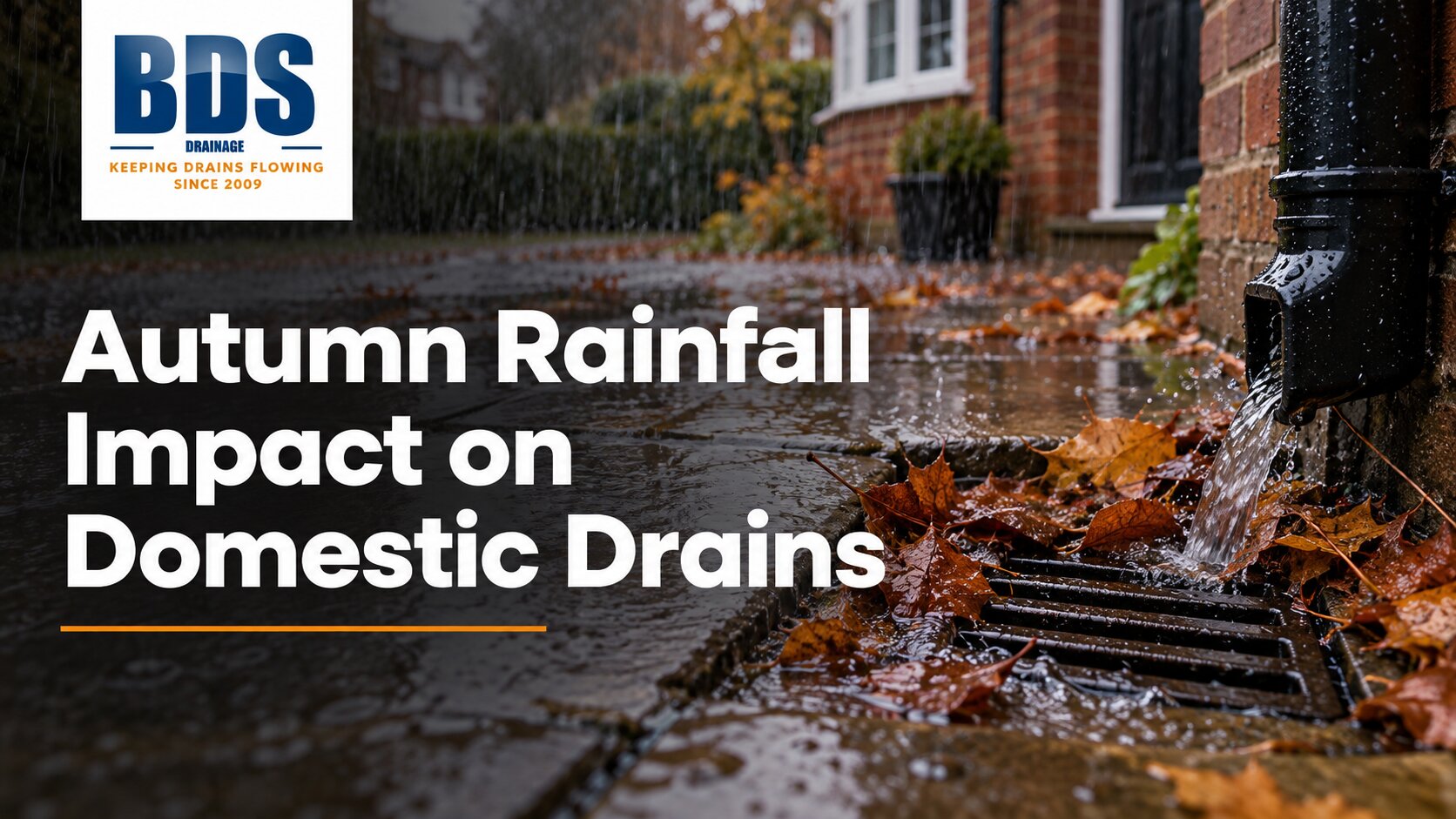
    Autumn has a lot going for it. Crisp mornings, colour in the hedgerows, an excuse to eat soup. What it’s less good for is your drainage system. The first big downpour after a dry spell, combined with gutters full of soggy leaves and ground that’s spent three months baking and contracting, is a recipe for blocked drains, gurgling toilets, and lawns that squelch for days after the rain has stopped.

    If you live in Essex or Hertfordshire—or anywhere sitting on London clay—this isn’t just bad luck. It’s geology. And once you understand why it happens, it’s much easier to stay ahead of it.

    Why autumn rainfall causes more drain problems

    Summer in the UK might not always deliver the sunshine we’re promised, but even a dryish spell is enough to harden the ground, clog gutters with debris, and leave surface drainage systems full of accumulated grime.

    autumn rainfall

    Then the autumn rain arrives—often in heavy, concentrated bursts—and overloads everything at once. Gullies that were already half-blocked with silt and leaf debris can’t handle the volume. Surface water has nowhere to go quickly. Foul and surface water drains that share combined systems back up under the pressure. The result is the kind of overflow that tends to happen on a Sunday evening when every plumber’s phone goes straight to voicemail.

    Autumn leaves belong in the compost, not your gully—but every year, millions of them end up exactly there.

    London clay explained (without sending anyone to sleep)

    London clay is a thick, marine sediment deposit that sits beneath much of Greater London, Essex, and parts of Hertfordshire. It’s dense, heavy, and—crucially—highly responsive to changes in moisture content.

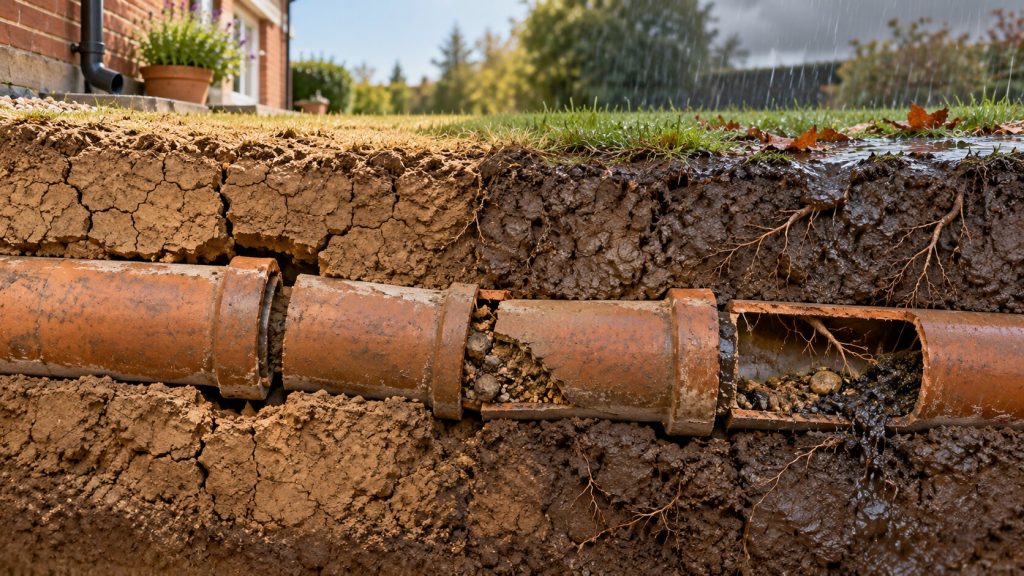
    In dry weather, clay loses water and contracts. Gaps open up in the ground, soil shifts slightly downward, and anything buried in it—pipes, inspection chambers, drain runs—moves with it. Then when the wet weather returns, the clay absorbs water and expands again. This continuous cycle of shrinking and swelling is what surveyors call shrink–swell, and it’s the single most significant cause of ground movement and subsidence in the UK.

    According to Hamblin Sullivan Associates, London has the highest shrink-swell clay hazard in the country, with areas including St Albans, Hatfield, and Potters Bar in Hertfordshire among the most at-risk locations. For homeowners in these areas, it’s not a question of whether the ground moves—it’s a question of how much, and what’s in the way when it does.

    How shifting clay leads to pipe movement and damage
    shifting clay leads to pipe movement and damage

    Underground drainage pipes weren’t designed to flex. They rely on stable ground to hold them in alignment, and the joints between sections—especially in older clay or concrete pipe systems—have a limited tolerance for movement.

    When the ground beneath a pipe contracts in summer and then swells again through autumn and winter, those joints can shift, separate, or crack under stress. Even small misalignments are enough to let in fine soil particles, allow root ingress, or create a partial blockage that worsens with every passing season.

    Shifting soil pipe cracks are particularly common near large trees, at changes in pipe direction, or where pipes run beneath driveways and hard landscaping that adds extra load. Once a joint is compromised, it rarely fixes itself—and it tends to get worse faster than you’d expect.

    Warning signs your drains are struggling

    Catch a drainage problem early and it’s usually a straightforward fix. Leave it until it fails properly and you’re looking at emergency callouts, potential ground investigation, and a much larger bill.

    Watch out for:

    • Slow drainage in sinks, baths, or toilets that gets noticeably worse after rain
    • Gurgling sounds from drains or toilets when water empties elsewhere
    • Unpleasant smells from external gullies or inside near inspection points
    • Toilets bubbling or sinks backing up during heavy downpours
    • High water marks inside manholes visible through the cover
    • Soggy patches or pooling in the garden that take days to clear after rain

    Any combination of these—particularly if they’re getting worse year on year—is worth investigating properly rather than hoping for the best.

    Autumn drain maintenance checklist

    Spending an hour on drain maintenance in early autumn is genuinely one of the better uses of your time as a homeowner. Here’s what’s worth doing:

    • Clear leaves and debris from gullies and drain grates regularly through October and November
    • Check gutters and downpipes are discharging properly and not overflowing onto paths or foundations
    • Don’t pressure-wash debris into outdoor drains—sweep it up and bin it instead
    • Use drain-friendly habits in the kitchen: fats, oils, and coffee grounds go in the bin, not down the sink
    • Lift accessible manhole covers (with gloves and care—never enter a chamber) to check water levels and look for obvious blockages
    • Avoid harsh chemical drain cleaners as a long-term fix—they can damage older pipework and rarely solve the underlying cause

    Good autumn drain maintenance in the UK doesn’t need to be complicated. A bit of preventive attention now saves a lot of disruption later.

    Soakaways in wet weather: when ‘it’ll drain eventually’ becomes ‘it definitely won’t’

    A soakaway is a buried drainage system designed to disperse surface water slowly into the surrounding soil through perforated pipes. They’re common in properties that can’t connect to mains drainage for rainwater, and they work perfectly well—until they become saturated or silted up.

    Clay soils are the worst possible neighbours for a soakaway. Because clay drains so slowly, a soakaway surrounded by it has very limited capacity to disperse water during sustained wet weather. Add years of accumulated silt in the pipes and you’ve got a system that struggles in light rain and fails completely in autumn downpours.

    Signs of soakaway problems include persistent pooling in the garden, a waterlogged lawn that stays soft even when it hasn’t rained for two days, and surface water that simply refuses to shift. If any of that sounds familiar, soakaway clearance in Hertfordshire and Essex is a service we carry out regularly—and it’s worth sorting before winter sets in properly. Give us a ring and we’ll talk through the options.

    When DIY isn’t enough: the smart time to get a CCTV drain survey

    There’s a point at which clearing your gully and using a drain rod stops being enough. Repeat blockages, persistent smells, drains that block again within weeks of clearing—these are symptoms of an underlying issue, not a surface one.

    A CCTV drain survey is the most reliable way to find out exactly what’s happening inside your pipes without unnecessary digging. A small, high-definition camera is fed through the drain run, and the footage is reviewed to identify blockages, root ingress, cracked sections, displaced joints, or deformation caused by ground movement.

    The value isn’t just in seeing the problem—it’s in knowing exactly where it is and what type of repair will actually fix it. We use state-of-the-art CCTV equipment to inspect drain lines across Essex and can advise on the most cost-effective solution, whether that’s jetting, root cutting, relining, or in some cases, targeted excavation.

    If you’re seeing repeat blockages after rain, we can run a CCTV inspection to confirm whether it’s a simple blockage, root ingress, or a damaged section of pipe.

    Repair options that suit clay-ground problems

    Not every drain problem needs a digger. The right repair depends on what the camera finds:

    • High-pressure jetting is effective for clearing silt, grease build-up, and compacted debris—and can also cut through finer root growth in many cases
    • Root cutting tackles more established root ingress, though if roots have found their way in, they’ve usually done so through a crack or displaced joint that also needs addressing
    • Drain relining is a no-dig repair option that inserts a new structural lining inside the existing pipe, sealing cracks and displaced joints from the inside. It causes minimal disruption to driveways, gardens, and landscaping, and is particularly well-suited to the kinds of joint movement and fracturing that clay-ground conditions cause
    • Excavation is sometimes unavoidable—particularly where pipes have collapsed or where sections need full replacement—but it’s rarely the first option we’d propose

    We’ll always recommend the least disruptive approach that genuinely solves the problem. Patching over a structural issue with jetting alone tends to just delay the same call a few months down the line.

    Get ahead of autumn drain problems

    Autumn rain and shifting London clay create a predictable pattern of drainage stress for properties across Essex and Hertfordshire. But predictable means manageable—with a bit of maintenance, an eye for the early warning signs, and the knowledge of when to bring in professional help.

    If your drains are slowing down every time the weather turns, don’t wait for a full overflow to force the issue. We’re on call 24/7, we can typically be with you within 90 minutes, and there’s no call-out fee and no extra charge at weekends. Whether it’s a simple clearance, a soakaway investigation, or a full CCTV drain survey, we’ll identify the cause and give you a straight answer about the best fix.

    Give us a call on 020 3675 7174 or request a free quote via our website. All our drain work comes with a 100-day guarantee—because a proper repair shouldn’t need a follow-up call before Christmas.


    Frequently asked questions


    Why do my drains block more when it rains in autumn?
    Autumn rain tends to arrive in heavy bursts after a dry summer, overloading systems that have accumulated leaves, silt, and debris over the warmer months. Gutters, gullies, and drain runs that weren’t cleared through summer often can’t handle the volume—leading to surcharging and backups.

    What is London clay and why does it affect drainage?
    London clay is a dense, moisture-sensitive soil found across much of Greater London, Essex, and Hertfordshire. It shrinks when dry and swells when wet—a cycle that causes gradual ground movement. Underground pipes buried in clay shift with this movement, leading to displaced joints and cracks over time.

    Can shifting soil really crack underground pipes?
    Yes. The repeated contraction and expansion of clay soil places stress on pipe joints, particularly in older clay or concrete pipework. Over time, joints can separate, sections can crack, and even minor misalignments can allow root ingress and partial blockages to develop.

    How can I tell if it’s a blockage or a cracked drain?
    A simple blockage usually clears with jetting or rodding. If blockages keep returning—especially in the same location—or if you’re getting smells or soggy ground without an obvious cause, a cracked or displaced pipe is more likely. A CCTV drain survey will confirm which it is.

    Is standing water in my garden always a soakaway problem?
    Not always. Pooling can result from compacted soil, broken surface drainage, or a blocked gully. But if water persists for days after rain, especially in the same area year after year, a failing or silted-up soakaway is a likely cause—particularly on clay ground where natural drainage is already slow.

    How often should drains be cleaned in the UK?
    For most domestic properties, an annual check and clean of gullies and accessible drain runs is a sensible baseline. Properties with large trees nearby, older clay pipework, or a history of blockages may benefit from more frequent maintenance.

    Are chemical drain cleaners safe for outdoor drains?
    Occasionally they can help with minor grease or organic build-up, but they’re not a reliable fix for serious blockages and can damage older pipework with repeated use. They do nothing for structural problems like cracks or root ingress, and can be harmful to the wider drainage environment.

    What happens during a CCTV drain survey?
    A trained engineer feeds a small, high-definition camera through the drain run from an access point such as a manhole. The footage is recorded and reviewed in real time to identify blockages, pipe condition, root ingress, or structural damage. You’ll receive a clear explanation of what was found and the recommended next steps.

    Can you fix cracked pipes without digging up the driveway?
    In many cases, yes. Drain relining is a no-dig repair method that installs a new structural lining inside the existing pipe, sealing cracks and displaced joints without excavation. It’s suitable for a wide range of crack and joint displacement issues and causes far less disruption than traditional excavation.

    Do you offer emergency drain unblocking and is the work guaranteed?
    We provide 24/7 emergency drainage cover across Essex and aim to arrive within 90 minutes. There’s no call-out fee and no additional charge for weekend callouts. All our drain work is backed by a 100-day guarantee, so if the same issue recurs within that period, we’ll be back to sort it.
  • How to regularly clean and maintain your drains

    How to regularly clean and maintain your drains

    Keeping your drains clean might not be the first thing on your to-do list, but regular maintenance can save you time, money, and hassle in the long run. Clean drains help prevent clogs, unpleasant odours, and even potential health hazards. Plus, maintaining your drains properly has significant environmental benefits, such as reducing water waste and preventing harmful chemicals from entering the water system.

    In this blog post, we will explore  some simple but effective ways to keep your drains clean and well-maintained.

    Signs you have blocked drains or drains that need cleaning

    signs of blocked drains

    Before diving into the DIY approach, it’s essential to recognise when your drains require attention.

    Here are some common indicators that you have blocked drains or they might need cleaning:

    • Slow draining water: If water takes longer than usual to drain from your sinks, bathtubs, or showers, it could indicate a build-up of debris in the pipes.
    • Unpleasant odours: Persistent foul smells emanating from your drains suggest trapped food particles, grease, or other organic matter.
    • Gurgling noises: Unusual sounds coming from the pipes can mean there’s air trapped due to a blockage.
    • Frequent clogs: Regularly occurring blockages signal that your drains need a thorough cleaning.
    • Water backing up: If water starts to back up in your sinks, it’s a clear sign of a blocked drain that needs immediate attention.

    Identifying these signs early can help you address minor issues before they escalate into more significant problems.

    The DIY approach

    Tools you’ll need for the job

    To effectively clean and maintain your drains, you’ll need a few basic tools:

    • Rubber gloves
    • Plunger
    • Drain snake or auger
    • Bucket
    • Baking soda
    • White vinegar
    • Boiling water
    • Biological enzyme cleaner
    • Soda crystals

    Step-by-step guide to cleaning and maintaining drains

    Below you’ll find several different methods of effectively cleaning and maintaining your drains. The great thing about all of these suggestions is that they are equally effective whether you are cleaning a kitchen sink, bathroom sink or shower drains.

    Method 1: Boiling water

    1. Boil a kettle of water.
    2. Pour the boiling water slowly down the drain in two to three stages, allowing the water to work for a few seconds between each pour. This can help dissolve and flush away minor clogs.

    Method 2: Baking soda and vinegar

    baking soda and vinegar

    1. Pour a pot of boiling water down the drain.
    2. Add about half a cup of baking soda and let it sit for a few minutes.
    3. Pour a mixture of one cup vinegar and one cup hot water down the drain.
    4. Cover the drain with a plug or cloth to keep the reaction below the drain surface.
    5. Wait 5-10 minutes as the mixture fizzes and breaks down debris.
    6. Flush again with boiling water.

    Method 3: Biological enzyme cleaner

    cleaners

    1. Follow the instructions on the product label to mix the enzyme cleaner.
    2. Pour the enzyme cleaner down the drain and let it sit overnight. These natural enzymes break down organic material, which can then be flushed away.
    3. Flush the drain with warm water the next morning.

    Method 4: Soda Crystals

    1. Dissolve about half a cup of soda crystals in boiling water.
    2. Pour the solution down the drain, and let it work for a few minutes.
    3. Flush with boiling water.

    Preventive measures

    Taking preventive steps can help avoid future clogs and keep your drains running smoothly:

    • Use drain guards: Install drain guards or strainers over sink drains to catch hair and soap scum, food particles,  and other debris.
    • Avoid pouring cooking grease down the drain: Grease can solidify in pipes, causing blockages. Dispose of it in a separate container instead.
    • Run hot water: After each use, run hot water down the drain to help keep it clear.
    • Use enzyme cleaners regularly: Monthly use can help maintain clean drains without harsh chemicals.
    • Be mindful of what goes down drain pipes: Avoid flushing anything other than toilet paper and human waste. In sinks, avoid allowing large food particles to wash down.

    When to call a professional

    Despite your best efforts, some drain issues may require the expertise of a professional plumber. Here are some signs it’s time to call in the experts:

    • Persistently clogged drain: If your drains continually clog despite regular maintenance, a deeper issue might need professional attention.
    • Water damage: Signs of water damage around your sinks or floors indicate a possible leak that needs to be assessed.
    • Multiple slow drains: If more than one drain is slow, it could suggest a severe blockage in the main sewer line.
    • Sewage smells: Unpleasant sewage smells mean there might be a significant blockage or broken pipe needing professional repair.
    • Recurring issues: If problems keep coming back, it’s worth getting a professional to diagnose and fix the root cause.

    FAQ

    How often should I clean my drains?

    For optimal performance, it’s recommended to clean your drains every month using DIY methods like boiling water or enzyme cleaners.

    Can I use chemical drain cleaners?

    While effective, chemical drain cleaners can be harsh and may damage your pipes over time. Natural or enzymatic cleaners are safer alternatives.

    What should I do if I’ve accidentally poured grease down the drain?

    If you’ve poured grease down the drain, follow it up immediately with boiling water and a grease-dissolving dish soap. Alternatively, use the baking soda and vinegar method for a more thorough clean.

    Are there any eco-friendly ways to maintain my drains?

    Yes! Enzyme cleaners and natural solutions like baking soda and vinegar are eco-friendly and effective in maintaining clean drains.

    How do I remove a hair clog from the shower drain?

    Use a drain snake or a bent wire hanger to fish out hair clogs. You can also use the baking soda and vinegar method to help break down any remaining debris.

    Conclusion

    Regularly cleaning and maintaining your drains is vital for a healthy home plumbing system. By identifying the signs of clogged drains, using the right DIY methods, and taking preventive measures, you can keep your drains flowing smoothly. Remember, while DIY approaches are effective, don’t hesitate to call a professional for more significant issues.

    By following this guide, homeowners and DIY enthusiasts can ensure their drains are clean and well-maintained, preventing costly repairs and maintaining a healthy drainage system.

    Need further support with a blocked drain?
    Contact BDS Drainage!

    If you encounter persistent drain problems or require professional assistance, BDS Drainage is here to help. Our expert team provides comprehensive drainage solutions to ensure your system stays in top condition.

    Contact us today to schedule an appointment or for more information.

  • The 10 Best Drain Cleaners 2021

    The 10 Best Drain Cleaners 2021

    Drains can get clogged with different things after a while. Then they move slowly, which can be frustrating. Most times, you plunge, and still, the flow is not restored. Often the next step is to call a plumber, which is more costly and time-consuming. However, you can resolve these blockage issues by using one of the best drain cleaners around. To ease your search, we have compiled this article detailing the top ten drain cleaners you can use to restore flow to your drains.

    What Is A Drain Cleaner?

    Drain cleaners are solutions for cleaning and clearing blockages in drains. Although drain cleaners have the same constituents (either chemicals or enzymes) they have different effects and modes of action. Some are effective as shower drain cleaners while some are more suitable for industrial areas. Due to this fact, you must select the best drain cleaner that suits your need.


    Need help? Speak to an expert now:

    08081 689 112


    Top Ten Drain Cleaners To Consider

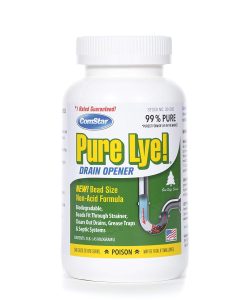
    1. Pure Lye Drain Opener

    Pure Lye Drain Opener

    Pure Lye Drain Opener is one of the best drain unblockers that are neither acidic nor odourless. This drain cleaner is a biodegradable natural drain cleaner that is safe on both users and pipelines. It is useful for industrial drains and effective against septic tanks, slow-moving and clogged pipes. The concentrate does not stink. Therefore, it is suitable for residential areas, schools and commercial buildings.

    Pros of Pure Lye

    i. Friendly and safe to use.

    ii. Odourless and can be used for all drain types.

    Cons

    i. Could cause skin irritation if not used as directed.

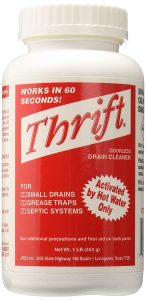
    2. Thrift T-600 Alkaline Drain Cleaner

    Thrift T-600 Alkaline Drain Cleaner

    The Thrift T-600’s solution will melt anything in its path, including hair, grease or oil in less than a minute. Thrift T-600 contains a non-acidic component which is sodium hydroxide. They have unique effects on fats and oils. Therefore, it can be used as a shower drain cleaner or in the kitchen. The sodium hydroxide contained in the cleaner would not destroy the pipeline construction. As a result, consider Thrift T-600 an effective natural drain cleaner that is not toxic to your pipelines.

    Pros of the Thrift T-600

    i. A fast drain cleaner effective in less than a minute.

    ii. It has a pleasant odour.

    iii. It does not destroy pipelines.

    Cons

    i. It is not suitable for places with stagnant water such as toilet bowls.

    Using The Thrift T-600

    When using the Thrift T-600, ensure that you protect your eyes and hands. The following steps would ensure you use the drain cleaner correctly. Also, ensure you read the label before use and follow the instructions.

    • Thrift T-600 crystals get activated by hot water, so boil enough water and slowly pour down the drain.
    • Then introduce a cup of Thrift T-600 down the drain.
    • Finally, allow the drain cleaner solution and hot water to act on the clog for 60 seconds.
    • Repeat the process if necessary.

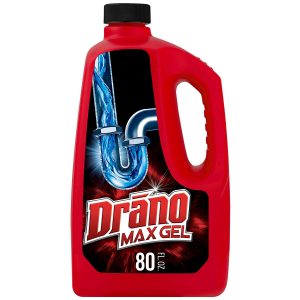
    3. Drano Max Drain Gel

    The Drano Max Gel is ideal for all drain types and pipes. Also, it is suitable as an industrial drain cleaner as well as for residential use. Drano Max contains active cleaning ingredients including sodium silicate, sodium hydroxide, surfactant and blend. These components together will liquefy the clog in no time making the Drano Max a fast attack drain cleaner. In 15 minutes, the Drano Max Gel will dissolve all blockages.

    Pros

    i. User-friendly and safe.

    ii. Safe for the pipelines.

    iii. Effective against total blockages.

    Cons

    i. Not suitable for toilets.

    Using The Drano Max Gel

    Before applying the gel, remove light particles from the filter. Leave the gel on the drain for 15-30 minutes before flushing with hot water. You can use your plunger after this process to check if the pipe is moving or not.

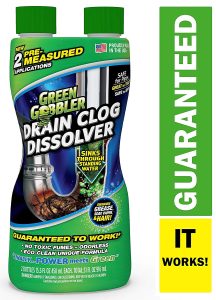
    4. Green Gobbler GGDIS2CH32 Drain Dissolve

    Green Gobbler GGDIS2CH32

    The Green Gobbler Dissolve is an enzymatic cleaner. It is highly effective against grease and hair clogs. Consequently, it is suitable for shower drains and kitchen drains. An added advantage of the Green Gobbler is its ability to sink to the bottom of standing water to liquefy clogs.

    Pros of using the Green Gobbler

    i. Can penetrate standing water.

    ii. Non-toxic drain cleaner.

    iii. Environment-friendly.

    Cons

    i. Not ideal for drains with total blockages.

    Using The Green Gobbler

    The Green Gobbler product comes with two different chambers. Most times, one is enough to get the job done. For maximum effect, pour a full one of the Green Gobbler chambers into the drain and leave it for two hours or more.

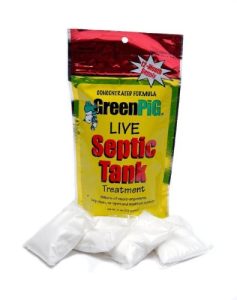
    5. Green Pig Solutions 52 Septic and Drain Treatment

    Green Pig Solutions 52 Septic and Drain Treatment

    One of the best drain unblockers on the market is the Green Pig concentrate. The solution contains bacteria that degrade the organic matter or other components in the clog. Also, it is a fast attack drain cleaner and clears clogs in 15-30minutes. It is a drain cleaner acid suitable for toilets, septic tanks and drain fields. The Green Pig Solution is pre-packed into four packets for easy use.

    Pros of the Green Pig Solution

    i. It is user-friendly.

    ii. A budget-friendly drain acid cleaner.

    iii. The drain cleaner is not toxic and highly effective.

    Cons

    i. It is not bio-based.

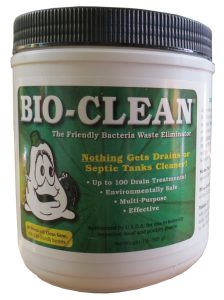
    6. Bio-Clean Drain Septic Bacteria

    Bio-Clean Drain Septic Bacteria

    The Bio-clean Drain Septic Bacteria is a natural drain cleaner with enzymes and bacteria. Also, it does not contain acid. It is a highly effective shower drain unblocker, and you only need a little of the Bio-clean to unclog your drain. Asides showers, kitchen sinks and tubs, bio-clean is also suitable for use as an industrial drain cleaner. To see better results, you need to leave the solution for 6-8 hours.

    Pros of the Bio-clean Drain

    i. User and environment-friendly.

    ii. It does not generate fumes or bad odours.

    Cons

    i. It requires more than one treatment.

    ii. Not a fast attack drain cleaner.

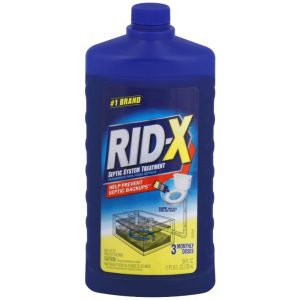
    7. Rid-X Septic Treatment

    Rid-X Septic Treatment

    Rid -X is also one of the best drain cleaners in the UK. Like the Bio-clean drain, it contains enzymes that target clog materials. The proteins in the concentrate include lipase, amylase and cellulase. These enzymes are not harmful. As a result, they do not degrade pipelines and are ozone-friendly. The enzymes mainly digest food particles. Therefore, they are suitable for kitchen drains. Also, they can be useful for septic tanks.

    Pros Of Using Rid-X

    i. Relatively safe to use.

    ii. Not harmful to the skin.

    iii. Highly effective.

    Cons

    i. Effective against only partial blockages.

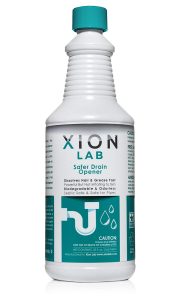
    8. Xion Lab Drain Cleaner

    Xion Lab Drain Cleaner

    Xion Lab Drain Cleaner is a highly effective and fast action drain cleaner. This liquid drain cleaner clears oils, grease and hair particles. Due to this, it is one of the best shower drain unblockers. The drain acid is denser than water, so it penetrates deep into the clog. Additionally, it is made of biodegradable components and highly recommended as a residential and industrial drain cleaner.

    Pros Of Xion Lab

    i. User-friendly.

    ii. It is fast-acting.

    iii. Not toxic and non-inflammable.

    iv. Very effective.

    Cons

    i. Could be ineffective on stubborn blockages.

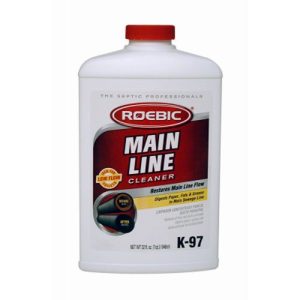
    9. Roebic K-97-Q-4 Mainline Cleaner

    Roebic K-97-Q-4 Mainline Cleaner

    Roebic K-97 is a powerful drain cleaner acid used for stubborn blockages. It is highly effective against clogs in toilets, septic tanks and sewage systems. The Mainline cleaner would correct the slow flow in your drainage system. It digests fats and grease in the main lines.

    Pros of Roebic K-97

    i. User-friendly product.

    ii. Effective for septic tanks.

    Cons

    i. Might have a long-acting time.

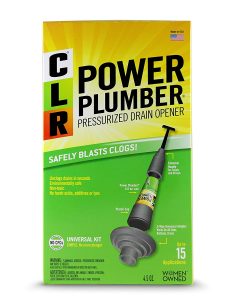
    10. CLR PP4-5 Power Plumber Drain Opener

    CLR PP4-5 Power Plumber Drain Opener

    The CLR PP4-5 power plumber is also one of the cleaner acids with a fast-acting nature. The drainer opens a clog in less than a minute. Also, it is suitable for pipelines with long distances. Also, the power plumber can be used for up to 15 times before exhausting the can. The components in the power plumber are non-corrosive and non-abrasive. As a result, they are ideal for bathtubs, kitchen sinks, and even toilets.

    Choosing A Drain Cleaner: Things To Consider

    When selecting your drain cleaner, you should not just pick one randomly. You could choose from one of these ten best drain unblockers. However, you still have to keep certain things in mind:

    • Types Of Blockage: This is the reason for the clog. You could identify this by the location of the drain. Kitchen drains mostly get clogged by grease and oils while shower drainage is mostly by hair and dirt. Ensure to get the best drain cleaner suitable for the blockage.
    • Type Of Pipe: Chemicals easily destroy some pipes. Keep in mind that some drain acids damage pipelines. Select one based on the kind of pipes you have.
    • Cost Of Cleaners: Purchasing costly drain cleaner acids does not translate to increased effectiveness. Also, it doesn’t mean the product is not efficient when cheap. Select a drain cleaner based on the blockages, pipelines and the cost you can afford.
    • Types Of Drain Cleaners: The kind of drain cleaner you would select should depend on the kind of clogs you have. They come in various forms – powders, gels, liquid. Mostly, the liquid and gel drain cleaners are more effective against partially blocked and thick clogs. In contrast, powder forms work for total blockages. Also, the powders are not as effective as a fast attack drain cleaner.

    In Conclusion

    Drain cleaners are the best solution to your clogging problems; they are highly effective when you choose the right ones, some of which have been listed above. However, safety precautions are essential when dealing with drain acids. Hence, read instructions to know the type of chemicals or enzymes in the drain cleaners.


    best drain cleaners

  • What Is Drain Relining?

    What Is Drain Relining?

    [vc_row][vc_column][vc_column_text]As drainage related problems go, damaged drain pipes rank among the most bothersome of the lot. Apart from the fact that they are notoriously tricky to detect at the outset, leaky drain pipes also damage the environment by polluting the soil.

    In the past, the only way to fix damaged drain pipes was the long and expensive process of excavation and replacement. This was a notoriously difficult process as more often than not, the damaged pipes were usually buried metres under the ground. Sometimes buried under infrastructure like roads, driveways or retaining walls.

    Today, however, thanks to modern technology, drainage pipes can be fixed via the relatively easier and cheaper method known as drain relining.

    What Is Drain Relining?

    Drain relining is a method of repairing damaged drainage pipes by fixing a new pipe called a lining, into an existing damaged pipe without resorting to the traditional method of excavation. It is a form of No-Dig repair Technology which utilises a form of drain sleeve similar to glass reinforced plastic.

    Drain relining can be used to fix open or leaking joints and circumferential or radial cracks caused by blockages. It is also very effective in combating root intrusion which old clay drainage pipes are most susceptible to.

    Closely related to relining, is a process known as a drain patch repair. Here, unlike relining where the pre-shaped pipelining is used, the main material is a drain patch. The patch is spread out and filled with epoxy resin and wrapped around a tool known as a pipe packer. The packer is then slowly and carefully inserted into the waste drain to the point of the defect and inflated. It is left for an hour before it is finally removed.

    Drain patches are particularly effective where only a small section of the pipe is damaged as there is no need for a full relining.

    Process Of Drain Relining

    • Inspection

    The process of drain lining begins with the inspection of drainage pipes. Unlike the old method of drain replacement which involves excavation of pipes, the drain relining process makes use of CCTV survey technology. This inspection determines the location and extent of any damage to the pipes.

    • Clearing Of Debris

    After the inspection, the pipes are cleaned to prevent any obstruction during the relining. The intrusions (tree roots for example) are removed using a robotic cutter which can cut through even steel and concrete. After this, a high-pressure water jetter is used to clear the pipe of any debris. This ensures a good bond on the pipe wall.

    • Re-inspection

    Before the new drain liner is fixed, the pipes are inspected once again to ensure all possible intrusions have been removed.

    • Preparing The Lining

    The method of relining as well as the exact amount and type of pipelining needed is decided at this stage. This is because different types of liners are used in different situations. More flexible liners, for instance, are used in cases where the pipes are curved as manoeuvrability is required.

    • The Installation

    The installation process can be done in two ways. The first is by a process known as inversion. Here, a resin is poured into the drain liner and repeatedly rolled to ensure it is evenly distributed on its body. It is then inserted into the damaged pipe by using inflated airbags to shape the lining to the pipe walls or by using water pressure.

    It could also be installed via GFRP UV pipelining. Here, the pipelining is pulled into the damaged pipe by using cables and winches.

    Both methods ensure the lining is perfectly fitted to the surface of the pipe. This guarantees effective drainage.

    • Curing

    After installation, comes the curing process. This involves the hardening of the resin to ensure the lining stays in place. When installing via inversion, it can be left to cure by itself, or sped up by running hot water through the pipe. GFRP UV pipes, on the other hand, require UV lighting to cure the lining to full hardness.

    • Final Re-inspection

    After the damaged section of the drainage pipe has been fixed, one final inspection is carried out to ensure the pipe is as good as new. This involves visual inspections with CCTV surveys and checks for leaks with leak detection equipment.

    Advantages Of Drain Relining

    Drain relining boasts many unique advantages over the old method of excavation and replacement. They are.

    • Greatly Reduced Drain Repair Costs

    As pipe relining does not require excavations, there is no need for heavy excavation equipment. This reduces the expenses on equipment and labour, thereby making it cheaper than traditional replacement methods. Also, the absence of infrastructural replacement expenses on roads, driveways and retaining walls contributes greatly to the low cost of pipe relining.

    • Minimal Disruption Of Activities

    As pipelining requires few machines and no excavation, it can be done without lengthy disruption of daily activities. In fact, it can be done around business trading or shift times. This leads to minimal downtime.

    • Speed Of Repairs

    The second major advantage of pipe relining is the speed in which damaged pipes are repaired. Larger jobs which would normally take weeks are completed in days. And smaller jobs which would normally span days are completed within hours instead.

    This is especially useful in cases of emergency repairs of sewer or stormwater drains.

    • Good Flow Rate

    The lining used in the process aids water flow as it is designed with a low friction surface.

    • Sealing of all open joints and cracks and thus prevention of future leaks

    The inspection process via CCTV survey locates all possible cracks within the pipe that may have been otherwise missed. Thus, even areas where no leaks are observed are attended to.

    • Permanent Structural Repairs

    Drain relining ensures permanent structural integrity as the pipelining usually has a durability of over 50 years. This is most beneficial to clay drain pipes.

    • Prevention Of Tree Root Infestation

    • Ability To Negotiate Bends And Offset Joints

    The flexibility of some types of lining allows it to negotiate bends easily.

    • Availability Of Lining In Different Diameters

    Pipes of all sizes can be fitted with lining from as small as 50mm in diameter to over a metre.

    • Availability Of Lining In Different Lengths

    The nature of the environment or accessibility of drains is not an issue in drain relining. This is because relining can be done using one long lining or several smaller overlapping sheets. It is noteworthy that a single lining can reach lengths of over 500 metres.

    Drain Relining Cost

    As has already been said, drain relining is remarkably cheaper than excavation and replacement. The prices, however, vary according to the length and diameter of pipes used. For instance, sewer pipelining cost per foot in the USA would be different from sewer pipelining cost per foot in the UK. Drain lining cost per metre would also determine the overall cost of the drain relining.

    In addition, it is also important that pipe relining cost metre in the UK is influenced by the particular city. For example, cities with higher costs of living like London and Manchester would have higher drain pipelining costs than small counties like Hertfordshire and Bedfordshire.

    When To Reline Drain Pipes

    Knowing the exact moment pipes get damaged and become due for repair is unfortunately impossible. This is because most pipes are buried underground, far from the reach of detection by casual observation.

    There are, however, few signs to watch out for to know when pipes are due for relining. They are:

    • Unpleasant Odours In The Yard

    Leaky sewage lines eventually lead to dour odours in the air, and this is usually the first sign that you have a drainage problem. Such odours are caused either by waste products themselves or by mold and mildew which thrive in damp spots.

    • Gurgling Noises

    The constant sound of running water is often is a sure sign of trouble in the sewer line. If the sound persists when all faucets are turned off, then the sewer line is due for relining.

    • Wet Floors

    Wet floors are also a dead giveaway for leaking drainage pipes. Most plumbing networks weave directly underneath the house to connect to the main sewer line. As for leaking water pools around these lines, it eventually affects the floors and can discolour interior flooring if left unattended.

    • Rodents

    Vermin such as rats are attracted to the putrid odours of leaking sewer lines in waste drains. Thus, their presence in your yard is usually an indicator of drainage pipes in need of relining.

    • Spike In The Water Bill

    A spike in your water bill is sometimes directly related to damaged pipes. In order to be sure, turn off all water sources and observe the reading of the metre.

    Other signs to watch out for are clogs, rust or debris in the water, cracks in walls, an unusual growth in vegetation and presence of sludge in the tub or shower.

    Is Drain Relining Eco-friendly?

    As explained earlier, broken pipes allow harmful chemicals leach into the soil and groundwater. Over time, this could pose serious hazards to not only the plant and animal life but to humans as well. Excavation of pipes causes further harm to the environment as extensive damage is done to buildings, fences, trees, and gardens. It could also aggravate the condition of the leakage as more often than not; the excavation equipment may rupture the already damaged pipes. And where such pipes contain toxic chemicals, they are released faster into the soil.

    Drain relining is, however, eco-friendly as the resin and lining in most instances are first certified to be environmentally friendly before being used commercially.

    In addition, the process is perfect for sensitive areas such as streams and rivers and is also less likely to damage existing infrastructure.[/vc_column_text][/vc_column][/vc_row][vc_row][vc_column][vc_single_image image=”8912″ img_size=”full” alignment=”center”][/vc_column][/vc_row]

  • Drain Maintenance & Preventative measures

    Drain Maintenance & Preventative measures

    [vc_row][vc_column][vc_column_text]

    After Unblocking Your Drains We Offer Free Advice To Stop It Happening Again

    If you hate drain issues and would rather have them never crop up at all because they’re usually expensive and disgusting, you’d do well to follow some general maintenance tips that can prevent most drainage issues in the first place. Preventative maintenance is your best friend in these situations.

    BDS is your friend when it comes to performing these maintenance tasks, and they go about business of all types. This includes an all-encompassing range of drainage and plumbing services, including excavation, CCTV drain surveys, pipe re-lining, tunneling and drain jetting. BDS takes pride in helping you not only deal with blockages, but also preventing future issues with your drainage and sewers.

    BDS has several methods and techniques for helping you keep your drains clear of blockages now and forever. One of these methods is tree root cutting. Thick tree roots are constantly growing, and capable of penetrating your drainage system and causing massive damage and hassle. BDS can cut dangerous roots that are specifically a threat to your drainage, without damaging any tress you want untouched on your property.

    Of course, the BDS doesn’t just handle drainage. They also perform work on gutters, maintaining them so they’re ready for the never ending rain of the UK.

    Drain Maintenance & Preventative measures


    Need help unblocking your drain? Speak to an expert now:

    08081 689 112


    [/vc_column_text][/vc_column][/vc_row][vc_row][vc_column][vc_btn title=”Need Some Advice Today – We Will Be Happy To Help” color=”primary” size=”lg” align=”center” link=”url:https%3A%2F%2Fbdsdrainage.co.uk%2Fcontact||target:%20_blank|”][/vc_column][/vc_row][vc_row][vc_column][vc_column_text]

    Beyond that, the BDS also handles pipe work replacement, in case anything needs to be fresh and new before settling in for the long haul hopefully free of issues.


    Drain Maintenance & Preventative measures


    If you have problems with overflowing gullies, BDS has that covered as well. Gully emptying and clearing of drainage systems includes grips, ditches, gullies and other systems, all of which BDS takes care of, since quickly getting rid of surface water is extremely important to maintaining safe roads.

    When it comes to drain maintenance, there’s no one better to get help from in the UK than BDS. Our wide range of services and professional staff are certain to take care of any problem that may arise, and also reduce the likelihood of them occurring later on.

    If the usual DIY remedies of chasing your drains with hot water or vinegar just isn’t enough to keep things running smoothly, you may as well turn to professional assistance, and preferably assistance that knows what they’re doing.

    If you want to save money and frustration in the future, learning preventative draining techniques and methods is the most important step to doing so. Learn what you can from the professionals, have them set up your systems to last, and then take matters into your own hands with routine work and checkups to make sure everything stays in top condition. The best way to ensure that any system continues to run smoothly is to keep a vigilant eye on it at all times.

    But when it comes to getting yourself ready for the long haul, you’re better off employing BDS, the experts in all things relating to drainage and sewage maintenance and repair. With their help, you can save both time and money in the future.

    [/vc_column_text][/vc_column][/vc_row]