
Category: London Drainage

  • What to do After a Flood in your House

    What to do After a Flood in your House

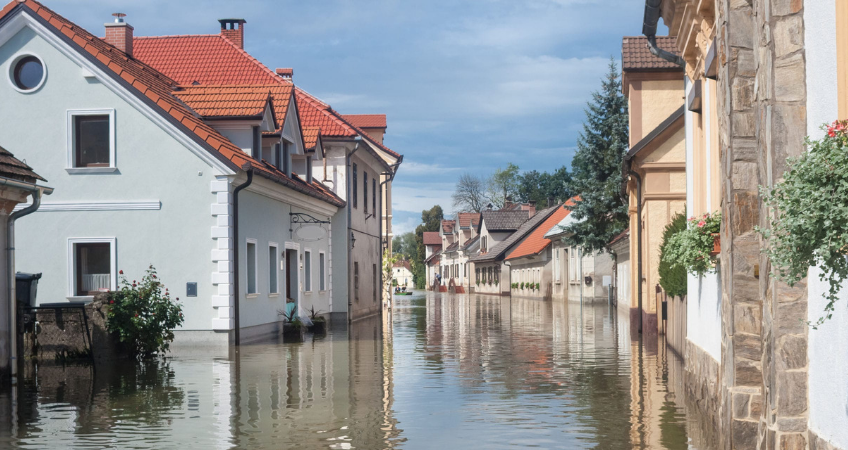
    Surviving a flood is one of the toughest yet incredible achievements in life. Indeed, it takes courage to accept that you have lost some property, pets, and in some extreme cases, your loved ones. It also takes a bravery to restore a home after the damages. This article makes it easier for you by detailing the best ways to go through the restoration process successfully.

    What Does A Flood Do To Your Home?

    The first step towards restoring your home after floods is to understand the level of damage that can be caused by water Floods:

    Causes a Crack to a Home’s Foundation

    When a home is built on clay soil and concrete slabs, there is a chance that the foundation will crack after a flood. The slab will be lifted to the end that it cracks. The pipes could rupture while the roof may sag when the foundation is compromised. You may also notice that the windows and doors do not open because the frames are distorted as the house shifted. If the property is uninhabitable, there are many options for emergency accommodation.


    Need help? Speak to an expert now:

    08081 689 112


    Damages the Insulation

    Home Insulation that is made of fibres or foam will be soaked during a flood. Even so, closed-cell foam remains in perfect condition.

    Ushers In the Growth of Mould

    The flood water provides the right conditions for mould to grow. The moisture will last on the surface for a long time unless it is dried up during the renovations.

    Causes Swelling Of Wood

    Wood will naturally absorb moisture during a flood. However, it is likely to return to its original shape when dry.

    Leaves Harmful Debris

    Flood water leaves behind debris that can pose health hazards in your home. The garbage will attract pests. Germs and bacteria will also thrive if the problem remains unaddressed.

    Stains and Destroys Upholstery

    Your carpets may be stained after the floods. The moisture retained in the upholstery may also give perfect conditions for fungi and mould’s growth.

    Damages the Electrical System

    Most of the wiring is likely to survive after a flood if freshwater is involved. Otherwise, the salt water will corrode the wires and render them worthless. The appliances such as refrigerators must also be checked to determine whether the water has damaged the insulation.

    Ruins Floors

    Depending on the type of floor, flooding can cause significant damage to the area. For instance, you will notice that laminate floors peel off. Notably, the level of damage in a home depends on the duration and intensity of a flood. A lengthy flood, whose water covers major parts of your home, will leave behind significant damages. Otherwise, you may be in a position to restore your home easily when the water height is low.

    Furthermore, the characteristics of the ground in which you have built your home will play a role. Some soils are unable to hold your home’s foundation accordingly. Still, you may not need to worry if your building’s materials are strong, and when the sophisticated methods are used in the construction process.

    To restore your home after the flood, you must:

    1. Make an Assessment on the Level of Damage

    The first and most critical step of restoring a home after a flood is to make an assessment on what is damaged. You may want to call a specialist to test things such as electrical appliances.

    A building expert will also tell you whether it is necessary to replace or repair flooring, insulation, walls, and other fixtures. More so, consider doing an air test to ensure that it matches the conditions outside the home.

    Interior Flood

    Remarkably, a proper assessment will help you to budget and determine the amount of time it will take to restore your home. It is hence important to find skilled and experienced specialists to help you through.

    As you go back to your home for the damage assessments, wearing protective gear is crucial. Buy rubber boots, masks, gloves, and respirators to avoid accidents and health complications. Further, you must cut off power, water, and gas.

    Moreover, you must check hidden spaces for standing water. This is inclusive of drawers and kitchen cabinets. This water should be released immediately. You can drill holes in some areas such as the base of a toe kick in the cabinets. Even more, it is worthwhile to get the relevant information from the authorities and media after the floods. You may realize that more precaution is required because of the changing weather patterns. It is also important to find out if funding is being provided for the victims.

    2. Call the Insurance Company

    An insurance company may cover a part or the whole cost of restoring a home. Document and take photos of your home before calling them for an evaluation (Get a free online house valuation). Note that it may take a few weeks before getting the funds because insurance companies take a while to conduct their assessments.

    3. Hire the Contractors for Different Services

    Hire ContractorDepending on the intensity of the flood, it may be daunting to engage in DIY home restoration. You must call various specialists including:

    • A cleaning company. The specialists will remove the debris efficiently left behind after the flood. Reliable cleaners have equipment and techniques for identifying hazardous materials and dealing with them properly. They will also get rid of pests, fungi, algae, and mould using either natural or synthetic methods. The use of disinfectants will also be helpful in creating the right living conditions in your space.
    • Drainage experts. Good companies know how and where to unblock or even construct drainages, so that the remaining water is directed away from your home. In fact, you may avoid significant level of damages in the future when the drainages are unblocked accordingly.
    • A licensed electrical contractor will check the electrical wires and appliances before making proper fixes. Simple repairs may be all that is needed in this case. However, water can damage the electrical system to the extent that a re-wiring of an entire home and purchase of new electrical appliances is mandatory.
    • HVAC specialist. Call the professionals for repairs if you suspect that the water has gotten into the heat ducts and registers. The service providers may also recommend the right dehumidifiers to eliminate the extra moisture in your home. Commercial products are better than what is used in home settings because they create the strong air flow required after the floods.
    • Building contractors. The professionals will replace the floors, if it is completely damaged. The walls may also require simple renovations. They will also remove insulation, since it is likely to compress after the floods. It may not dry completely even after a long period, giving room for the growth of mould and mildew. This also affects the air quality. Replacing it is hence advised.

    4. Be Creative

    You may want to come up with a new look in your interior and exterior space. Instead of opting for the same furniture arrangement, be creative enough to find different ways of working with what has been left behind. It may be worthwhile to go for yard sales and find antique pieces of décor for your home.

    Painting your home creatively will also make a big difference. Also, ask the contractors to use stronger materials and modern designs to usher in a new look. Having done so, you will have made lemonades out of the lemons that the flood threw your way.

    5. Be Patient

    It is understandable that you yearn to get a sense of normalcy after the floods. You may be tempted to rush through the renovation process so that you can go back to your home. Even so, patience is pertinent because some of the places and items will take longer to dry. The cleaning process and building drainages may also take time. You must be patient as the experts provide the services. It also gives you time to come into terms with the losses and new look in your home.

    6. Reconstruct Your Home to Withstand Future Floods

    You may want to build your home in a way that extensive damages are avoided in the future. This requires you to:

    • Rebuild it higher off the ground than what is required in a zone. You could also raise an existing house.
    • Change the insulation to ensure that it can resist floods.
    • Opt for a ceramic tile on your floors as opposed to other materials.
    • Elevate electrical appliances off the ground.

    Certainly, you can restore your home after flooding effectively and efficiently. Finding the right professionals to make the necessary assessments is critical so that you can make the right plans and decisions. The specialists will also help you repair and replace the damages appliances and places. Calling the drainage experts will help to unblock your blocked drains. One of the most reliable companies to call in this case is the BDS drainage. Priding in its ability to engage skilled and experienced engineers, the company has continued to satisfy clients in London over the years.


    Also Check:
    How to Unblock a Drain



  • All about the London Thames Tideway Tunnel Project

    All about the London Thames Tideway Tunnel Project

    [vc_row][vc_column][vc_column_text]

    The Thames Tideway Tunnel is easily among the most important civic projects taken up in the history of London. Also known as the ‘super sewer’, the Thames tunnel in London has been designed to accommodate the sewage that overflows into the Thames. The size of the tunnel has been a talking point among the London residents. Once finished, the tunnel is expected to be over 7 metres in diameter, 25 kilometres in length and up to 65 metres deep.

    The Thames Tideway Tunnel map (you can find the full map here) will chart a course that begins from Acton and stretches all the way up to Stratford’s Abbey Mills Pumping Station. More importantly, and this is where the engineering complexity of the London tunnel project becomes apparent, the tunnel will almost entirely be under the Thames river. It will also link to the other major London public works project, the Lee Tunnel. No wonder then that the Thames Tideway Tunnel news has been dominating the airwaves of late.

    [/vc_column_text][/vc_column][/vc_row][vc_row][vc_column][vc_single_image image=”7874″ img_size=”full”][/vc_column][/vc_row][vc_row][vc_column][vc_single_image image=”7875″ img_size=”full”][/vc_column][/vc_row][vc_row][vc_column][vc_column_text]

    Environmental experts agree the new London sewer will be a lifeline for the Thames, and the flora and fauna it is home to. Several million tonnes of sewage are released into the Thames almost every week, which has caused the river’s pollution levels to rise alarmingly.

    But how exactly will the Thames Tideway Tunnel project help? Why are things the way they are now? How much will this tunnel cost the taxpayer? For answers to those and many more questions, read on.

    Why does London need the tunnel?

    The new Thames tunnel is needed because the current system falls short of London’s requirements. The existing system consists of several sewer lines running underneath central London. Apart from regular waste water, storm water also drains into this system. This is mostly not an issue, except when there are very heavy rains. Heavy rains cause the sewer lines to become full quickly, thus leaving little to no space for regular waste water. But rather than flooding streets and entering homes, this waste water is channelled towards the Thames by an overflow mechanism.

    This overflow mechanism comprises close to 60 CSO (combined sewer overflow) sites through which excess sewage water flows into the Thames. These sites, and the entire London sewage system, date back to the Victorian era. Back then, the engineers expected the sewer system to overflow no more than 10-12 times in a year. Today, however, the system overflows into the Thames almost 60 times in a year. These CSOs do not just contaminate the Thames beyond acceptable limits but also put London in violation of the EU’s Urban Waste Water Directive.

    But why do the sewer lines overflow often?

    The reason for the frequent overflow of the sewers can be divided into two parts. Firstly, the amount of waste water flowing into sewer lines from London’s homes has been increasing over the years. Secondly, there has also been an increase in the amount of water that enters sewer lines during heavy rain.

    More waste water is a result of London’s increased population. Constructed in Victorian times, the London sewer system is capable of handling only half the city’s current population. However, there is also another aspect at work here. London has grown tremendously and extends over several new suburbs that use their own sewage systems, i.e. a growing population is only one reason for the increased overflows from London’s CSOs.

    The other reason is that London has been massively paved over in the last hundred years or so. This, along with disappearing green spaces and dried-up natural water streams, has led to a situation where very little water seeps into the ground. Earlier, it would take a really big storm for the water to enter the sewer lines and cause an overflow into the Thames. But now, even a mild spell of rain causes the London sewers to fill up quickly and run-off into the Thames.

    How will the new tunnel help?

    The Thames Tideway Tunnel route is designed to capture sewage from over 30 CSOs before it drains off into the Thames river. The discharge point of each CSO will be linked to the new Thames tunnel, which ensures the waste water will not end up in the river. After capturing the waste water, the tunnel under the Thames will pump it to the Beckton sewage treatment plant. The clean water obtained after treating the sewage will then be discharged into the Thames.

    Are there any other benefits to the Thames tunnel?

    London’s existing sewer system is of 19th century vintage. Its population back then was roughly two million. Today, the number of permanent residents in London has long crossed the eight million mark and the day where it becomes ten million is not far away. Simply put, the existing sewer system is not capable of dealing with the city’s sewage needs on its own.

    Moreover, the ill-effects of untreated sewage released into the Thames are manifesting in various ways with every passing day. Several hundred cases of pollution incidents are reported every year. It is not unusual for rowers and other recreational users of the river to complain of infections and illnesses because of the polluted water.

    The pollution also affects the river’s flora and fauna in a major way. The untreated sewage, especially during summer storms, can lower the water’s oxygen levels which can lead to thousands of fishes dying.

    This is where the Tideway tunnel comes in. By intercepting the sewage that would have otherwise ended up in the Thames, the London Tideway tunnel will lead to a cleaner and healthier Thames.

    The project is also generating a lot of jobs. More than 4,000 Thames tideway tunnel jobs are expected to be created directly. A cleaner and livelier Thames will also have a positive impact on the tourism industry. The local fishing industry will be another beneficiary of the project as the river will retain its status as one of the principal nursing areas for several North Sea species.

    It’d be safe to say that the Thames Tideway Tunnel project will affect the life of every Londoner in a meaningful way.

    How much will this cost?

    As one of the city’s largest and most complicated public projects, the Thames sewer is bound to cost a fair bit. The final Thames tideway tunnel cost is estimated to be around £4.5 billion. Thames Water, which is the company that fulfils London’s water and sewage treatment requirements, is passing on this cost to its customers. London residents can expect regular increases in their water and sewage bills up to the year 2020.

    However, Thames Water is not building the tunnel. Instead, it will be built by the Tideway Company. Thames Water, as such, will pay Tideway to build, operate and maintain the new Thames Tideway Tunnel.

    When will the tunnel be ready?

    The Thames Tideway Tunnel construction is already underway. The plan got regulatory approval back in 2014 while the finance for the project was secured a year later in 2015.

    The Thames tunnel construction itself began in 2016. The actual tunnelling work (using tunnel boring machines) started in 2017. Building the entire tunnel and other associated works is slated to be completed by 2023.

    BDS Drainage is a business that offers various drainage and plumbing related services in London. Over the years, as we helped clear blocked drains and execute projects that involved gutter cleaning in London, we often lamented how the city’s functional but old sewage system could use a nice shot in the arm. The Thames Tideway Tunnel is exactly that and promises a better future for London’s residents and the River Thames.

    [/vc_column_text][/vc_column][/vc_row]

  • Who is The Best Drainage Company in London?

    Who is The Best Drainage Company in London?

    With decades of experience in emergency drain unblocking in London and the surroundings areas we would say that we offer the best drainage service.

    We pride ourselves on the ability to offer an expert drainage service for a competitive price. Our reliable and prompt drain unblocking service is utilised by domestic and commercial drainage clients throughout London and the surroundings.

    drainage


    Need help unblocking your drain? Speak to an expert now:

    08081 689 112


    Here at BDS Drainage we pride ourselves on a guarantee of unbeatable and efficient service, whether it is drain inspections and clearing, CCTV Surveys or toilet repairs. Our company is Council and Health Authority checked,DBS checked and with domestic or commercial drainage work undertaken from just £19.50, our fully insured and qualified service is certainly the one for you! We offer FREE QUOTES 24 hours a day in which we can guarantee a fast response to emergency calls. There is no call out charge and decades of experience allow us to investigate, diagnose and solve the issue promptly. Our engineers have broad, extensive and detailed knowledge, allowing a wide range of plumbing services including CCTV drain survey, no-dig drain technology, unblocking, cleaning, tunnelling and gutters or down-pipes.

    We also offer our drainage services in Essex, Kent & Surrey.