
Keeping your drains clean might not be the first thing on your to-do list, but regular maintenance can save you time, money, and hassle in the long run. Clean drains help prevent clogs, unpleasant odours, and even potential health hazards. Plus, maintaining your drains properly has significant environmental benefits, such as reducing water waste and preventing harmful chemicals from entering the water system.
In this blog post, we will explore some simple but effective ways to keep your drains clean and well-maintained.
Signs you have blocked drains or drains that need cleaning

Before diving into the DIY approach, it’s essential to recognise when your drains require attention.
Here are some common indicators that you have blocked drains or they might need cleaning:
- Slow draining water: If water takes longer than usual to drain from your sinks, bathtubs, or showers, it could indicate a build-up of debris in the pipes.
- Unpleasant odours: Persistent foul smells emanating from your drains suggest trapped food particles, grease, or other organic matter.
- Gurgling noises: Unusual sounds coming from the pipes can mean there’s air trapped due to a blockage.
- Frequent clogs: Regularly occurring blockages signal that your drains need a thorough cleaning.
- Water backing up: If water starts to back up in your sinks, it’s a clear sign of a blocked drain that needs immediate attention.
Identifying these signs early can help you address minor issues before they escalate into more significant problems.
The DIY approach
Tools you’ll need for the job
To effectively clean and maintain your drains, you’ll need a few basic tools:
- Rubber gloves
- Plunger
- Drain snake or auger
- Bucket
- Baking soda
- White vinegar
- Boiling water
- Biological enzyme cleaner
- Soda crystals
Step-by-step guide to cleaning and maintaining drains
Below you’ll find several different methods of effectively cleaning and maintaining your drains. The great thing about all of these suggestions is that they are equally effective whether you are cleaning a kitchen sink, bathroom sink or shower drains.
Method 1: Boiling water
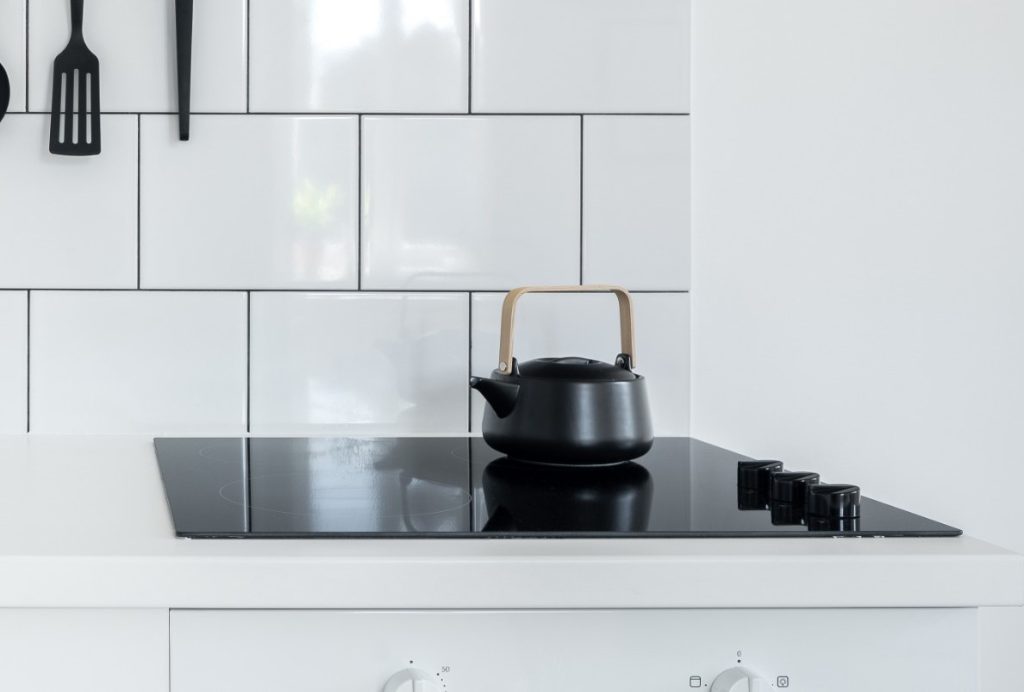
- Boil a kettle of water.
- Pour the boiling water slowly down the drain in two to three stages, allowing the water to work for a few seconds between each pour. This can help dissolve and flush away minor clogs.
Method 2: Baking soda and vinegar

- Pour a pot of boiling water down the drain.
- Add about half a cup of baking soda and let it sit for a few minutes.
- Pour a mixture of one cup vinegar and one cup hot water down the drain.
- Cover the drain with a plug or cloth to keep the reaction below the drain surface.
- Wait 5-10 minutes as the mixture fizzes and breaks down debris.
- Flush again with boiling water.
Method 3: Biological enzyme cleaner

- Follow the instructions on the product label to mix the enzyme cleaner.
- Pour the enzyme cleaner down the drain and let it sit overnight. These natural enzymes break down organic material, which can then be flushed away.
- Flush the drain with warm water the next morning.
Method 4: Soda Crystals
- Dissolve about half a cup of soda crystals in boiling water.
- Pour the solution down the drain, and let it work for a few minutes.
- Flush with boiling water.
Preventive measures
Taking preventive steps can help avoid future clogs and keep your drains running smoothly:
- Use drain guards: Install drain guards or strainers over sink drains to catch hair and soap scum, food particles, and other debris.
- Avoid pouring cooking grease down the drain: Grease can solidify in pipes, causing blockages. Dispose of it in a separate container instead.
- Run hot water: After each use, run hot water down the drain to help keep it clear.
- Use enzyme cleaners regularly: Monthly use can help maintain clean drains without harsh chemicals.
- Be mindful of what goes down drain pipes: Avoid flushing anything other than toilet paper and human waste. In sinks, avoid allowing large food particles to wash down.
When to call a professional
Despite your best efforts, some drain issues may require the expertise of a professional plumber. Here are some signs it’s time to call in the experts:
- Persistently clogged drain: If your drains continually clog despite regular maintenance, a deeper issue might need professional attention.
- Water damage: Signs of water damage around your sinks or floors indicate a possible leak that needs to be assessed.
- Multiple slow drains: If more than one drain is slow, it could suggest a severe blockage in the main sewer line.
- Sewage smells: Unpleasant sewage smells mean there might be a significant blockage or broken pipe needing professional repair.
- Recurring issues: If problems keep coming back, it’s worth getting a professional to diagnose and fix the root cause.
FAQ
How often should I clean my drains?
For optimal performance, it’s recommended to clean your drains every month using DIY methods like boiling water or enzyme cleaners.
Can I use chemical drain cleaners?
While effective, chemical drain cleaners can be harsh and may damage your pipes over time. Natural or enzymatic cleaners are safer alternatives.
What should I do if I’ve accidentally poured grease down the drain?
If you’ve poured grease down the drain, follow it up immediately with boiling water and a grease-dissolving dish soap. Alternatively, use the baking soda and vinegar method for a more thorough clean.
Are there any eco-friendly ways to maintain my drains?
Yes! Enzyme cleaners and natural solutions like baking soda and vinegar are eco-friendly and effective in maintaining clean drains.
How do I remove a hair clog from the shower drain?
Use a drain snake or a bent wire hanger to fish out hair clogs. You can also use the baking soda and vinegar method to help break down any remaining debris.
Conclusion
Regularly cleaning and maintaining your drains is vital for a healthy home plumbing system. By identifying the signs of clogged drains, using the right DIY methods, and taking preventive measures, you can keep your drains flowing smoothly. Remember, while DIY approaches are effective, don’t hesitate to call a professional for more significant issues.
By following this guide, homeowners and DIY enthusiasts can ensure their drains are clean and well-maintained, preventing costly repairs and maintaining a healthy drainage system.
Need further support with a blocked drain?
Contact BDS Drainage!
If you encounter persistent drain problems or require professional assistance, BDS Drainage is here to help. Our expert team provides comprehensive drainage solutions to ensure your system stays in top condition.
Contact us today to schedule an appointment or for more information.

 [/vc_column_text][/vc_column][vc_column width=”1/2″][vc_column_text]